

Men’s sexual health has historically been a difficult topic to discuss openly, and many men delay seeking help for years despite significant impact on their quality of life. That is gradually changing as evidence-based, non-surgical treatments become more widely available. The P-Shot, also known as the Priapus Shot, is one such treatment: a regenerative procedure using platelet-rich plasma to support male sexual health and function.
Table of Contents
What Is the P-Shot?
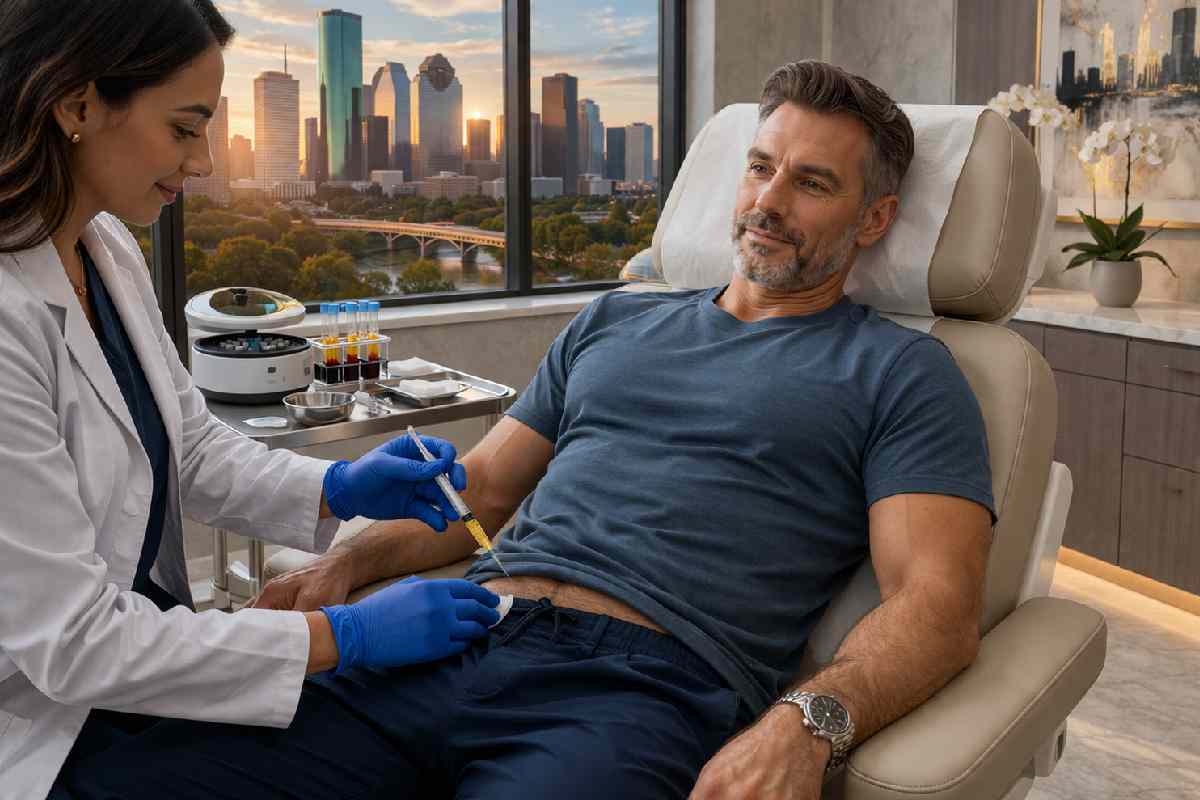
The P-Shot is a non-surgical in-office procedure that uses platelet-rich plasma derived from the patient’s own blood. A small blood sample is drawn, processed in a centrifuge to concentrate the platelets and growth factors, and the resulting PRP is injected into specific areas of the penis following thorough topical numbing. The procedure follows the same regenerative principles used in orthopaedics, sports medicine, and wound care, applying concentrated growth factors to stimulate tissue repair and improved vascular function.
What the P-Shot Addresses
The P-Shot is used for a range of male sexual health concerns. These include erectile dysfunction, particularly vasculogenic and age-related ED; reduced penile sensitivity; Peyronie’s disease, which involves penile curvature caused by scar tissue; and general decline in sexual performance associated with aging. Some patients also pursue the treatment to support function following prostate surgery or other urological procedures. It is important to note that erectile dysfunction can signal underlying cardiovascular conditions, and men experiencing ED should receive a full medical assessment as part of their care.
How PRP Supports Erectile Function
Healthy erectile function depends on adequate blood flow through healthy vascular tissue. As men age, or due to metabolic conditions and other factors, vascular health in penile tissue can decline. The growth factors within PRP, including platelet-derived growth factor and vascular endothelial growth factor, stimulate new blood vessel formation, cellular repair, and tissue regeneration. When injected into penile tissue, they aim to support the vascular and structural health that underpins normal erectile function. Research into PRP for ED is active, with studies reporting positive outcomes in men with mild to moderate vasculogenic dysfunction.
What to Expect
The procedure is performed in-office. Topical numbing cream is applied well in advance, and the injections themselves take only a few minutes. Most patients report minimal discomfort. There is no required downtime, and most men resume normal activities including sexual activity within one to two days. Results develop gradually over four to twelve weeks as growth factors stimulate tissue changes, with full effects typically apparent at two to three months. Results can last one to two years, with many patients choosing annual maintenance treatments.
P-Shot in Houston
Men in Houston considering P-Shot treatment Houston can consult the team at Ovation Med Spa, which offers the P-Shot as part of a confidential men’s sexual wellness programme. Their providers conduct thorough consultations to assess candidacy, discuss realistic outcomes, and help patients understand whether the P-Shot or an alternative approach is most appropriate for their situation.
Realistic Expectations
The P-Shot tends to produce the most meaningful outcomes in men with mild to moderate vasculogenic or age-related erectile dysfunction. Men with severe ED related to significant nerve damage or major vascular disease may require additional or alternative interventions. A detailed consultation is essential to set appropriate expectations and determine the right course of care.
Addressing the Silence Around Men’s Sexual Health
Men who experience sexual health concerns often wait years before seeking assessment. The consequences extend beyond physical function, affecting confidence, relationships, and mental wellbeing. Effective, non-surgical options now exist, and speaking with a qualified provider is a constructive step toward maintaining health and quality of life. In Houston, that care is available in professional and discreet clinical settings.