


Aloe vera for acne scars: how to use – Aloe vera has earned its place as one of the most loved natural skincare remedies, and for good reason. It feels soothing, looks simple, and works gently on skin that is irritated, inflamed, or recovering from breakouts. When it comes to acne scars, aloe vera is often talked about as a calming solution that may help soften the look of marks over time.
But here is the important part: aloe vera is not magic, and it is not the same for every type of scar. It may help with post-acne marks, redness, and mild discolouration, especially when used consistently. For deeper pitted scars, however, aloe vera can support the skin, but it will not erase them on its own.
This guide explains what aloe vera can do, how to use it properly, which method suits your skin best, and what results you can realistically expect.
Table of Contents
What Are Acne Scars?
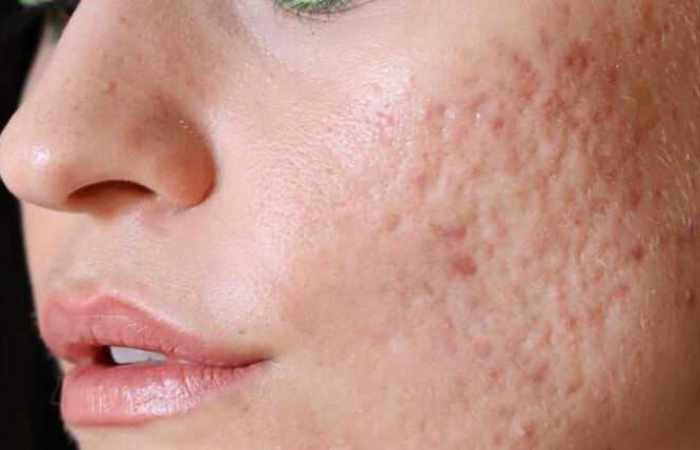
Before using any treatment, it helps to understand what you are actually trying to improve.
Acne scars are the marks left behind after acne heals. Some are raised, some are indented, and some are flat but darker or red in colour. Many people confuse acne scars with acne marks, but they are not exactly the same.
Definition
Acne scars are permanent or semi-permanent changes in the skin’s texture or colour after acne damage.
Acne marks are usually flat discolouration, such as dark spots or redness, that fade gradually with time.
This difference matters because aloe vera is usually more helpful for marks, redness, and healing support than for deep textural scars.
Why Aloe Vera Is Used for Acne Scars
Aloe vera contains water, vitamins, antioxidants, and soothing compounds that make it a favorite for skin recovery. It is light, cooling, and easy to apply without feeling greasy.
What aloe vera may help with
It may calm irritated skin after breakouts, support moisture balance, reduce redness, and give the skin a healthier appearance over time. Some people also use it because it feels gentle compared with stronger acne treatments.
What can aloe vera not do alone?
It cannot rebuild deep scar tissue in the way procedures like microneedling, chemical peels, or laser treatments may do. Still, it can be a helpful part of a larger skincare routine.
Aloe Vera for Acne Scars: How It Works
Aloe vera is best thought of as a skin-soothing and skin-supporting ingredient. It does not aggressively peel the skin or force fast change. Instead, it works slowly and gently.
Its natural moisturizing effect may help the skin barrier stay healthy, which is important because damaged or dry skin often heals poorly. Its soothing qualities may also reduce the redness that makes acne marks look more visible. Aloe Vera for Acne Scars (Healthline Guide)
When used regularly, aloe vera can make the skin feel softer, calmer, and fresher. That alone can improve the look of healed acne areas.
Comparison Table: Different Ways to Use Aloe Vera for Acne Scars
| Method | Best For | How It Feels | Main Benefit | Caution |
| Pure aloe vera gel | Sensitive skin, redness, mild marks | Light and cooling | Soothes and hydrates | Patch test first |
| Aloe vera + honey | Dry or irritated skin | Soft and slightly sticky | Extra moisture and comfort | Avoid if you are allergic to honey |
| Aloe vera + turmeric | Dull skin and post-acne marks | Smooth paste-like mask | May help brighten the look of skin | Can stain skin and clothes |
| Aloe vera + vitamin E | Dry skin with post-acne discoloration | Rich and creamy | Adds nourishment | May clog pores for oily skin |
| Aloe vera + lemon | Very light discoloration only | Fresh but strong | Often used for brightening | Can irritate skin and increase sensitivity |
For most people, pure aloe vera gel is the safest and simplest option to start with.
How to Use Aloe Vera for Acne Scars
Using aloe vera is simple, but the way you apply it matters. A careful routine is always better than overdoing it.
1. Clean your face first

Wash your face with a gentle cleanser and pat it dry. Aloe vera works best on clean skin, because dirt and oil can block absorption.
2. Use fresh gel or a pure aloe gel
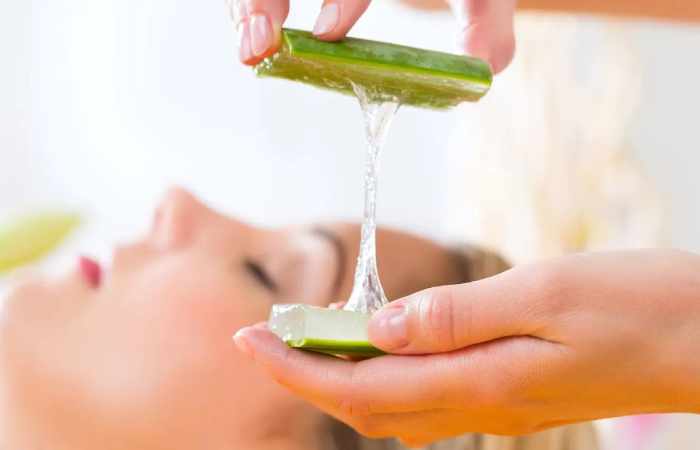
You can use gel directly from the aloe leaf or a store-bought gel with a short ingredient list. The fewer unnecessary additives, the better.
3. Apply a thin layer
Spread a light layer over the affected areas. You do not need to use too much. A thin coat is enough.
4. Leave it on
You can leave aloe vera on overnight or for 20 to 30 minutes before rinsing, depending on your skin type.
5. Follow with moisturizer
If your skin feels dry, apply a gentle moisturizer afterward. This helps lock in hydration.
6. Use it regularly
Consistency matters more than quantity. Daily or near-daily use often gives better results than random application.
Best Aloe Vera Methods for Different Skin Types
| Skin Type | Best Aloe Method | Why It Works |
| Oily skin | Pure aloe vera gel | Lightweight and non-greasy |
| Dry skin | Aloe vera + honey | Adds moisture and softness |
| Sensitive skin | Pure aloe vera only | Less chance of irritation |
| Acne-prone skin | Aloe vera with a simple moisturizer | Supports healing without heaviness |
| Combination skin | Thin layer of aloe vera gel | Balances hydration without clogging pores |
DIY Aloe Vera Recipes for Acne Marks
Simple homemade mixes can be helpful, but keep them gentle. The skin after acne can be more fragile than it looks.
1. Aloe Vera Overnight Gel
Mix pure aloe gel and apply a thin layer before bed. Leave it on overnight and rinse in the morning. This is the easiest routine and often the most skin-friendly.
2. Aloe Vera and Honey Mask
Combine one tablespoon of aloe vera gel with half a tablespoon of raw honey. Apply for 15 to 20 minutes, then rinse with lukewarm water. This is a lovely option for dry or irritated skin.
3. Aloe Vera and Turmeric Spot Mask
Mix aloe gel with a very small pinch of turmeric and apply only to acne marks. Leave it on for 10 minutes. This may help brighten the skin’s appearance, but use it carefully because turmeric can stain.
4. Aloe Vera Ice Cubes
Freeze aloe vera gel in an ice tray and gently rub a cube on the skin for a few seconds. This can feel refreshing and may help calm redness. Do not hold it in one place for too long.
How Long Does Aloe Vera Take to Work on Acne Scars?
This depends on the type of scar and how regularly you use it. Mild acne marks may start looking better in a few weeks if aloe vera is part of a consistent routine. More stubborn discoloration may take longer.
For deep scars, aloe vera can improve skin comfort and support healing, but it will not fully remove the scar. In those cases, it works best as a supporting step, not the main treatment.
Tips to Get Better Results
Aloe vera works better when the skin is protected and supported. That means good habits matter just as much as the product itself.
Use sunscreen every day, because sun exposure can make acne marks darker and slower to fade. Keep your skincare routine gentle, avoid picking at healing pimples, and drink enough water. A calm, healthy routine gives aloe vera a better chance to do its job.
Also, avoid mixing aloe vera with too many strong ingredients at once. Skin likes simplicity, especially after acne.
Comparison Table: Aloe Vera vs Other Popular Acne Scar Remedies
| Remedy | Main Use | Strength | Best For | Limitation |
| Aloe vera | Soothing and gentle fading support | Mild | Redness, mild marks, sensitive skin | Not strong for deep scars |
| Vitamin C serum | Brightening dark spots | Moderate to strong | Pigmentation | Can irritate sensitive skin |
| Retinol | Skin renewal | Strong | Acne marks and texture | Can cause dryness and peeling |
| Niacinamide | Oil control and brightening | Moderate | Oily, acne-prone skin | Needs regular use |
| Chemical exfoliants | Faster cell turnover | Moderate to strong | Stubborn marks | May irritate if overused |
Aloe vera is not always the strongest option, but it is often the gentlest place to begin.
Possible Side Effects and Precautions
Even natural ingredients can cause problems sometimes. Aloe vera is usually well tolerated, but not always.
Do a patch test before using it on your face. Apply a small amount to the inner arm or jawline and wait 24 hours. If you notice itching, burning, or a rash, do not use it on your face.
Also, be careful with store-bought gels that contain alcohol, artificial fragrance, or harsh preservatives. These extras can dry out or irritate the skin, especially if it is already sensitive from acne.
Best Time to Use Aloe Vera for Acne Scars
You can use aloe vera in the morning, at night, or both. Nighttime is often the easiest choice because the skin has more time to absorb it without interference from makeup, sweat, or sun exposure.
If you use it in the morning, always follow with sunscreen. That step is especially important if your acne marks are dark or redness-prone.
A Simple Aloe Vera Routine for Acne Scars
Here is a gentle routine that works for many people:
Cleanse your face, apply a thin layer of pure aloe vera gel, let it absorb for 15 to 20 minutes or leave it on overnight, then finish with moisturizer. In the morning, use sunscreen.
This routine is simple, easy to remember, and less likely to irritate the skin.
Final Thoughts
Aloe vera is one of those ingredients that earns trust slowly. It does not shout for attention, and it does not promise instant miracles. What it offers is calm, hydration, and support for skin that is trying to recover.
For acne scars, aloe vera is best used as a gentle helper. It may improve the look of redness, mild marks, and post-acne irritation, especially when used consistently. For deeper scars, it should be seen as part of a wider skincare plan rather than the complete answer.