

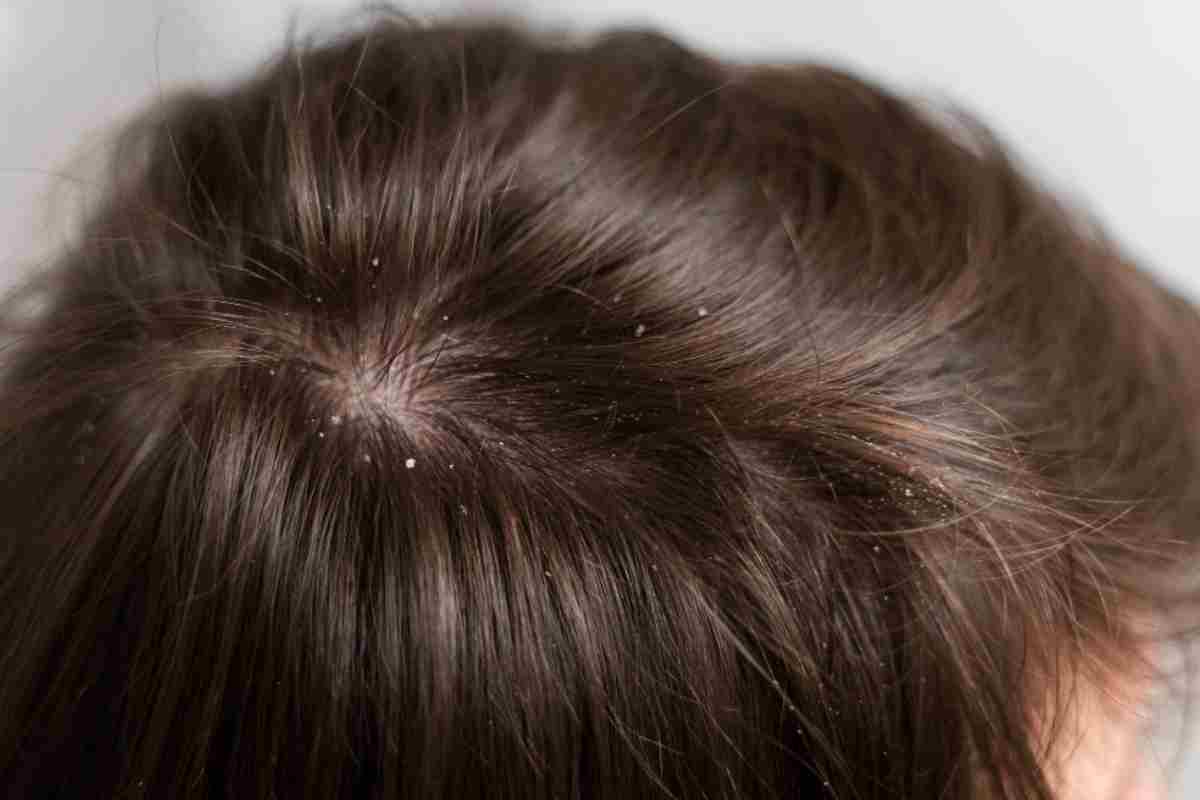
How to clean scalp buildup – is one of those hair issues that go unnoticed until it begins to show: your hair is a bit duller than normal, your scalp begins to itch, and your roots appear oily a little too soon. Many will think their hair is “dirty” but scalp buildup goes a step beyond. It is a mix of oil, dead skin cells, sweat, product residue, and pollution, which forms a layer over the scalp. Eventually, this layer feels heavy and uncomfortable, resulting in a less healthy scalp.
The best part? Scalp buildup can be managed and cleaned in a gentle, effective way. You will not need a good, old scalp scrub or a costly salon visit to get started. Once you have a cleansing routine set in place, you will be amazed at how you will start feeling.
Table of Contents
What is scalp buildup?
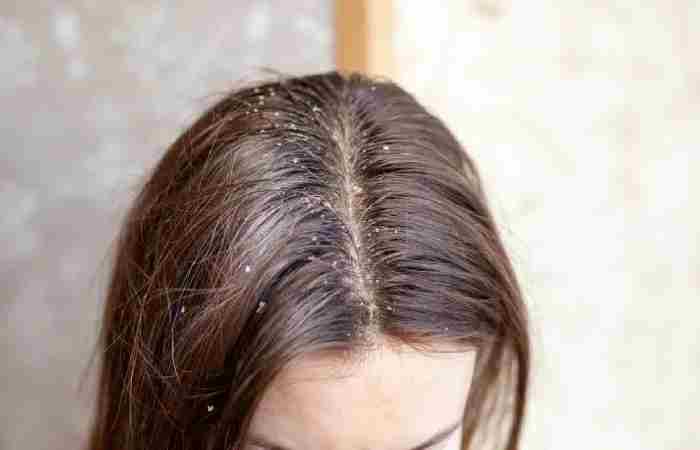
Scalp buildup occurs when substances accumulate on your skin layer over your scalp. This layer of substances contains everything that builds up on your scalp, which may include excess oil from your scalp, left behind products such as shampoo or conditioner and styling agents, sweat, dead skin cells, or simply dirt from everyday living.
A small portion of buildup is a normal process that the skin goes through, but it becomes a problem when it builds up enough to block the scalp and contribute to flat-looking, irritating hair. Some mistakenly believe scalp buildup and dandruff are the same, but that is not precisely true. Dandruff relates to flaking of the scalp and a skin condition in some instances, while scalp buildup is the gathering of residue on the scalp.
Common Signs Your Scalp Has Buildup
Here are a few signs that your scalp may need a reset:
| Sign | What It May Feel Like |
| Itchy scalp | Constant urge to scratch, especially near the roots |
| Greasy roots | Hair looks oily soon after washing |
| Flaky residue | Small white bits that may be product or dead skin |
| Flat hair | Hair loses volume quickly |
| Unpleasant smell | Scalp feels sweaty or musty |
| Sensitive scalp | Tightness, discomfort, or mild burning |
If these signs sound familiar, your scalp may be telling you it needs a deeper clean.
Why Scalp Buildup Happens
Scalp buildup usually does not happen because of one thing alone. It often comes from a mix of habits and environment.
| Cause | How It Contributes |
| Too much hair product | Gels, waxes, dry shampoo, and sprays can leave residue |
| Not rinsing well | Shampoo or conditioner can stay behind on the scalp |
| Washing too little | Oil and dead skin keep collecting |
| Hard water | Minerals in water can leave deposits on hair and scalp |
| Sweat and pollution | Dust and sweat stick to the scalp throughout the day |
| Heavy oils | Thick oils may not wash out easily |
Once you understand the cause, it becomes easier to choose the right solution.
Best Ways to Clean Scalp Buildup
Not every solution will work for you. However, it’s best to know that the best solution to build up depends on your scalp type, your hair type and how much buildup there is. Scalp buildup: causes, symptoms, and treatment
1. Use a clarifying shampoo

Clarifying shampoos contain robust cleansing agents which strip build-up, oil and residue better than everyday shampoos. This will be useful if you frequently use styling products, or if your hair is developing a coating.
Use once or twice a week (depending on your scalp needs), and not too often because clarifying shampoos can be very drying when overused.
2. Massage scalp thoroughly

Scalp massage during shampooing is also a wonderful tool for aiding in the removal of the build up as well as encouraging increased circulation. Ensure you use the pads of your fingertips, never your nails and continue to massage your scalp for a minute or two so the shampoo gets all the way down to the roots.
3. Rinse well
People often rush the rinsing process which results in leftover shampoo or conditioner which in turn can cause further buildup. Be sure to thoroughly rinse out any products, particularly on the crown of your head and behind the ears.
4. Occasionally exfoliate your scalp
Exfoliating the scalp removes dead skin cells and impurities from the scalp. This can either come in the form of a scalp scrub or a chemical exfoliant designed specifically for use on the scalp. You must not over-use this – once per week at most should be sufficient.
5. Avoid heavy product use
When you wear lots of styling products, you may be prone to hair buildup. Consider cutting back on your product use. Light products are usually sufficient for daily use.
6. Try a deep-cleansing wash routine
If you have excessive product buildup, try a deep-cleansing wash routine. First, you need to rinse your hair in lukewarm water, and then apply the shampoo to the scalp in sections, massaging gently, and rinsing. Reapply if needed, and keep the second application light.
Comparison Table: Best Methods for Cleaning Scalp Buildup
| Method | Best For | Benefits | Limitations |
| Clarifying shampoo | Product buildup, oily scalp | Removes residue deeply, refreshes scalp | Can dry hair if used too often |
| Scalp massage | Mild buildup, regular maintenance | Helps loosen oil and dirt, easy to do | Not enough for heavy buildup alone |
| Scalp scrub | Dead skin and flaky buildup | Exfoliates the scalp surface | Must be used gently to avoid irritation |
| Double shampooing | Heavy oil or styling residue | Cleans scalp more thoroughly | Can dry out hair if overdone |
| Apple cider vinegar rinse | Mild residue and dullness | May help remove leftover product | Needs dilution; not for sensitive scalps |
| Gentle regular shampoo | Everyday maintenance | Safe and simple for routine cleansing | May not remove deep buildup fully |
Step-by-Step Guide to Clean Scalp Buildup at Home
If you want a simple routine, follow these steps:
Step 1: Wet Your Hair Completely
Warm water should be applied and allowed to soak into the scalp. This helps lift off excess oil and product buildup before shampoo.
2. Apply shampoo to the scalp
Instead of applying shampoo just to the hair, massage into the scalp. The buildup begins here and so will the cleansing.
3. Massage in for a couple of minutes
Move fingers in circles but also use up and down motions to gently work into the scalp.
4. Rinse well
Ensure all shampoo has been removed.
5. Shampoo a second time if necessary
If scalp is very oily or caked with product, lather the shampoo into the scalp a second time using a smaller amount.
6. Apply conditioner only to the hair lengths
No conditioner is to be applied to the scalp, unless the product is meant for the scalp. It only needs to be applied to mid-lengths and ends.
7. Ensure scalp is completely dried
Leaving a damp scalp can lead to scalp discomfort and can promote odor. Ensure you dry hair thoroughly.
Natural Options That May Help
Some people like using simple natural ingredients for mild buildup. These can help, but they should be used carefully.
| Natural Option | Possible Benefit | Caution |
| Apple cider vinegar rinse | May help remove residue and balance scalp feel | Must be diluted; can irritate sensitive skin |
| Aloe vera gel | Soothing for dry or irritated scalp | Not always strong enough for heavy buildup |
| Tea tree oil shampoo | May help with oily, itchy scalp | Should not be applied directly without dilution |
| Baking soda | Can scrub away residue | Too harsh for frequent use |
Natural does not always mean gentle. Always test carefully, especially if your scalp is sensitive.
What Not to Do
Sometimes people make scalp buildup worse by trying to fix it too aggressively. Avoid these mistakes:
- Scrubbing with nails, which can irritate the scalp
- Using too much dry shampoo every day
- Applying conditioner directly to the roots unless needed
- Over-washing with harsh shampoo
- Using undiluted vinegar or essential oils
- Ignoring buildup for weeks at a time
A healthy scalp usually responds better to consistency than to harsh treatment.
How Often Should You Clean Scalp Buildup?
That depends on your hair type and habits.
| Hair/Scalp Type | Suggested Cleaning Frequency |
| Oily scalp | Clarify once a week or as needed |
| Normal scalp | Clarify every 2 to 4 weeks |
| Dry scalp | Clarify less often and use gentle products |
| Heavy product users | May need weekly deep cleansing |
| Sensitive scalp | Use mild cleansing and avoid strong exfoliation |
The key is balance. Clean enough to remove residue, but not so much that your scalp becomes dry or irritated.
Habits That Prevent Scalp Buildup
Prevention is easier than correction. A few small habits can help keep your scalp cleaner for longer:
- Wash your hair regularly based on your scalp type
- Use less styling product when possible
- Rinse shampoo and conditioner thoroughly
- Clean hair tools like brushes and combs
- Avoid sleeping with too much product in your hair
- Limit dry shampoo use
- Choose lightweight hair care products
These habits make a big difference over time.
When to See a Professional
If you experience a high level of itching, red and sores on your scalp and/or flakes and hair loss it might not just be product residue, but skin disease, in which case a dermatologist or trichologist will be needed.
FAQ About Scalp Buildup
1. How do I know if I have scalp buildup?
If your scalp feels itchy, greasy, flaky, or your hair goes flat quickly, buildup may be the reason.
2. Can buildup cause hair fall?
It may not directly cause hair fall, but a clogged or irritated scalp can make hair care less effective and worsen scalp discomfort.
3. Is scalp buildup the same as dandruff?
No. Dandruff is usually related to scalp flaking and skin issues, while buildup is residue from oil, products, and dirt.
4. How long does it take to remove scalp buildup?
Mild buildup can improve after one or two good washes. Heavier buildup may take a few weeks of consistent care.
5. Can I use a scalp scrub every day?
No. Daily exfoliation can irritate the scalp. Once a week or less is usually enough.
Final Thoughts
Scalp buildup cleansing is less about stripping and harshness, and more about balance. When you clean the scalp the hair generally feels lighter, appears fresher and can absorb the product more efficiently. A light routine, the correct shampoo, and some consistency will all lead to a cleaner scalp and eventually cleaner hair.