

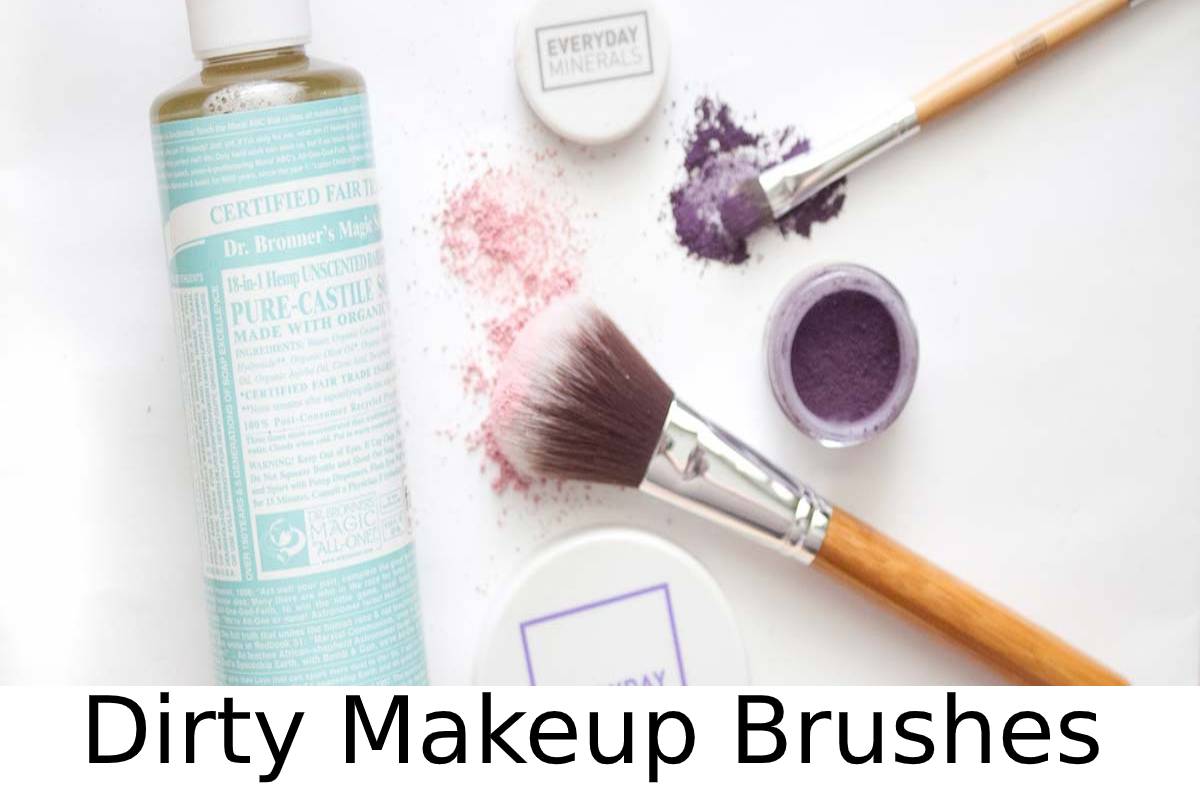
Admittedly, the majority of us do not regularly wash our makeup brush. We say we will bathe them this weekend and before we know it a week goes by and then another. Nowhere do we notice, before long those gentle and fluffy brushes of which we were fondness, turned into mute mischief.
The most forgotten reasons that cause acne, irritation of skin, application of makeup unevenly, and even skin infections are dirty makeup brushes. They do not appear threatening and yet they silently gather oil, dead cells, accumulation of products, dust, and bacteria each and every time you use them.
This guide is going to deconstruct what actually occurs once the makeup brushes are not washed, what it does to your skin, how they are going to be washed, and the best methods of ensuring they remain clean without making it a routine.
Table of Contents
What Are Dirty Makeup Brushes, Really?
A dirty makeup brush isn’t just a brush with visible foundation on it. Even brushes that look clean can be packed with invisible grime.
Each time you dip a brush into product and swipe it across your face, it picks up:
-
Natural skin oils (sebum)
-
Sweat and moisture
-
Dead skin cells
-
Leftover makeup
-
Environmental dust and pollution
-
Bacteria and fungi
Over time, all of this builds up deep inside the bristles.
What Builds Up on Makeup Brushes Over Time
| Source | What It Leaves Behind | Why It’s a Problem |
|---|---|---|
| Skin oils | Greasy residue | Traps bacteria |
| Makeup products | Cream, powder, pigment | Causes clogged pores |
| Dead skin | Skin flakes | Feeds bacteria |
| Air & surfaces | Dust, germs | Skin irritation |
| Bathroom storage | Moisture, mold | Risk of infection |
This buildup turns brushes into perfect breeding grounds for bacteria.
How Dirty Makeup Brushes Affect Your Skin
Common Skin Problems Caused by Dirty Brushes
| Skin Issue | How Dirty Brushes Contribute |
|---|---|
| Acne & pimples | Bacteria re-enter pores |
| Blackheads | Oil and debris clog pores |
| Rashes | Friction + bacteria irritation |
| Fungal infections | Moist bristles harbor fungi |
| Redness | Repeated contamination |
| Allergic reactions | Old product breakdown |
If you’ve tried changing skincare products but still break out in the same areas, your makeup brushes might be the real culprit.
Why Dirty Brushes Make Makeup Look Bad
Even if skin issues don’t show up right away, your makeup performance will suffer.
Dirty brushes cause:
-
Patchy foundation
-
Muddy eyeshadow colors
-
Uneven blending
-
Streaks and clumps
-
Grey or dull finishes
Old product stuck in bristles mixes with new product, changing its texture and color. That’s why your expensive makeup suddenly doesn’t look right anymore.
How Often Should You Clean Makeup Brushes?
This is where most people get confused. Different brushes need different cleaning schedules.
Recommended Brush Cleaning Frequency
| Brush Type | Examples | Cleaning Frequency |
|---|---|---|
| Liquid/Cream brushes | Foundation, concealer | After every use or 2–3 times a week |
| Eye brushes | Eyeshadow, eyeliner | Once a week |
| Powder brushes | Blush, bronzer | Every 1–2 weeks |
| Lip brushes | Lipstick, gloss | After each use |
| Sponges | Beauty blender | After every use |
If you have acne-prone or sensitive skin, cleaning more frequently is always safer.
Signs Your Makeup Brushes Are Overdue for Cleaning
Not sure if it’s time to wash them? Look for these signs:
-
Strong or musty smell
-
Bristles feel stiff or sticky
-
Makeup looks uneven
-
Brushes shed excessively
-
Skin starts breaking out suddenly
-
Colors don’t apply like before
If you notice two or more of these, your brushes are begging for a wash.
What Happens If You Never Clean Makeup Brushes?
Skipping brush cleaning long-term can lead to serious problems—not just cosmetic ones.
Long-Term Effects of Dirty Brushes
| Area Affected | Possible Consequences |
|---|---|
| Skin | Chronic acne, infections |
| Eyes | Styes, irritation |
| Makeup | Wasted product, poor finish |
| Brushes | Shorter lifespan |
| Hygiene | Germ spread |
In extreme cases, bacteria like Staphylococcus can cause painful skin infections—especially when brushes touch broken skin or active acne.
How to Clean Makeup Brushes Properly (Step-by-Step)
Cleaning brushes doesn’t need fancy products or 30 minutes of effort.
Simple Brush Cleaning Method
-
Wet bristles with lukewarm water (avoid the handle)
-
Add gentle shampoo or brush cleanser
-
Swirl bristles in your palm or a cleaning mat
-
Rinse until water runs clear
-
Gently squeeze out excess water
-
Lay flat to dry (never upright)
Best Cleaning Products for Brushes
| Option | Pros | Cons |
|---|---|---|
| Baby shampoo | Gentle, affordable | Not antibacterial |
| Brush cleanser | Designed for brushes | Slightly expensive |
| Mild face wash | Easily available | May need extra rinsing |
| Dish soap (occasionally) | Removes heavy buildup | Can dry bristles |
Avoid harsh detergents—they damage bristles and irritate skin.
Can Dirty Makeup Brushes Cause Eye Infections?
Yes—eye brushes are especially risky.
Using dirty eye brushes can lead to:
-
Styes
-
Conjunctivitis (pink eye)
-
Eye redness and itching
-
Swollen eyelids
Eye makeup brushes should never be shared and must be cleaned regularly, especially if you wear eyeliner or mascara.
Dirty Makeup Brushes vs Clean Brushes: A Comparison
| Factor | Dirty Brushes | Clean Brushes |
|---|---|---|
| Skin health | Breakouts, irritation | Clear, calmer skin |
| Makeup finish | Patchy, dull | Smooth, flawless |
| Product use | Wastes makeup | Better pigment payoff |
| Hygiene | Germ buildup | Safe and fresh |
| Brush life | Shorter lifespan | Lasts longer |
Once you switch to clean brushes, the difference is immediate.
How to Maintain Clean Brushes Without Extra Effort
If you hate washing brushes, these habits help:
-
Clean one or two brushes daily instead of all at once
-
Use quick spray cleansers between deep washes
-
Keep brushes in a dry, open area
-
Avoid storing brushes in the bathroom
-
Rotate brushes if you own multiples
Consistency matters more than perfection.
Common Myths About Dirty Makeup Brushes
“My skin is fine, so it doesn’t matter.”
Breakouts can take weeks to appear.
“Powder brushes don’t need cleaning.”
They still collect oil and bacteria.
“Expensive brushes don’t get dirty.”
Price doesn’t stop bacteria.
“Wiping on a tissue is enough.”
It removes color, not germs.
Are Makeup Sponges Worse Than Brushes?
Yes—sponges absorb moisture, making them even more bacteria-friendly.
| Tool | Bacteria Risk |
|---|---|
| Dry powder brush | Medium |
| Foundation brush | High |
| Damp sponge | Very high |
That’s why sponges must be cleaned after every use.
The Psychological Habit Behind Dirty Makeup Brushes
The majority of the population does not avoid cleaning their make-up brushes. Laziness is not the cause it is psychology.
Brushes do not appear to be dirty just like a stained shirt or greasy pan. No instant visual warning, no at the beginning bad smell, no immediate reaction to the skin. Since the after-effects are not felt immediately, cleaning brushes is always a later affair.
The other cause is emotional attachment. A lot of makeup users consider brushes as dispositions as opposed to hygiene. We accuse the skincare of cleanliness, not with the applicators. And so much as we might be washing our face twice, our brushes are still gathers of brushes weeks-or-months-worth of residue.
After rethinking the use of makeup brush as part of you, cleaning them up on a regular basis begins to make sense.
Dirty Brushes and Seasonal Skin Problems
Weather plays a bigger role in brush hygiene than most people realize.
Seasonal Impact of Dirty Makeup Brushes
| Season | What Happens | Why Brushes Get Worse |
|---|---|---|
| Summer | More breakouts | Sweat + oil stick to bristles |
| Monsoon | Fungal issues | High humidity traps moisture |
| Winter | Dry, irritated skin | Dirty brushes worsen flaking |
| Spring | Allergic reactions | Pollen + dust cling to brushes |
In humid conditions, brushes may never fully dry, even if you washed them days ago. This leftover moisture allows bacteria and mold to grow faster. That’s why people often notice sudden skin reactions during rainy or summer months—dirty tools amplify the problem.
How Dirty Brushes Affect Sensitive and Acne-Prone Skin
If you have sensitive or acne-prone skin, dirty brushes don’t just trigger problems—they keep them going.
When a brush touches active acne:
-
Bacteria transfer to the brush
-
The same brush is reused on other areas
-
Acne spreads instead of healing
For sensitive skin, repeated friction from stiff, product-coated bristles can damage the skin barrier. This leads to redness, burning, and increased reactivity—even to products you’ve used safely before.
Clean brushes reduce both mechanical irritation and bacterial exposure, giving your skin a fair chance to recover.
Are Shared Makeup Brushes Ever Safe?
Sharing makeup brushes—even “clean-looking” ones—is risky.
Whether it’s at:
-
A friend’s house
-
A salon or makeup counter
-
A wedding or event
Shared brushes can transfer:
-
Acne-causing bacteria
-
Cold sores (from lip brushes)
-
Eye infections
Even professionals disinfect brushes between clients for a reason. If sharing is unavoidable, always ask if brushes are freshly sanitized—or use disposable applicators.
Small Changes That Make a Big Difference
You don’t need a strict routine to see improvement. These small habits help more than you’d expect:
-
Wash foundation brushes while shampooing your hair
-
Clean eye brushes every Sunday (set a reminder)
-
Keep one “backup clean brush” ready
-
Avoid using brushes on broken or irritated skin
-
Let brushes dry overnight in open air
People who adopt even one or two of these habits often notice clearer skin within weeks.
Why Clean Brushes Are an Investment, Not a Chore
Clean makeup brushes:
-
Make budget makeup look better
-
Reduce skincare spending
-
Extend brush lifespan
-
Improve confidence in your appearance
When brushes are clean, makeup applies smoothly, blends effortlessly, and looks intentional—not rushed or messy.
In the long run, regular brush cleaning saves time, money, and skin stress. It’s one of the simplest beauty habits with the highest payoff.
Final Thoughts: Clean Brushes, Better Skin
One of the most minor of beauty habits that it does not seem like you are starting to require is dirty makeup brushes that are then beginning to react to your skin. Irritable skin, discoloration, uneven blush, spoiled products are usually blamed as a result of beauty products or cosmetics, yet the root of the problem is quietly lurking on the vanity.
The fact is that it is rather straightforward, makeup brushes are applied to your skin every day, that is why they should receive the same amount of care that your skin does. Clean brushes do not only keep your skin bacteria-free but also enhance the way your makeup will look, the way these products will work better, and your whole routine will become polished and purposeful.