

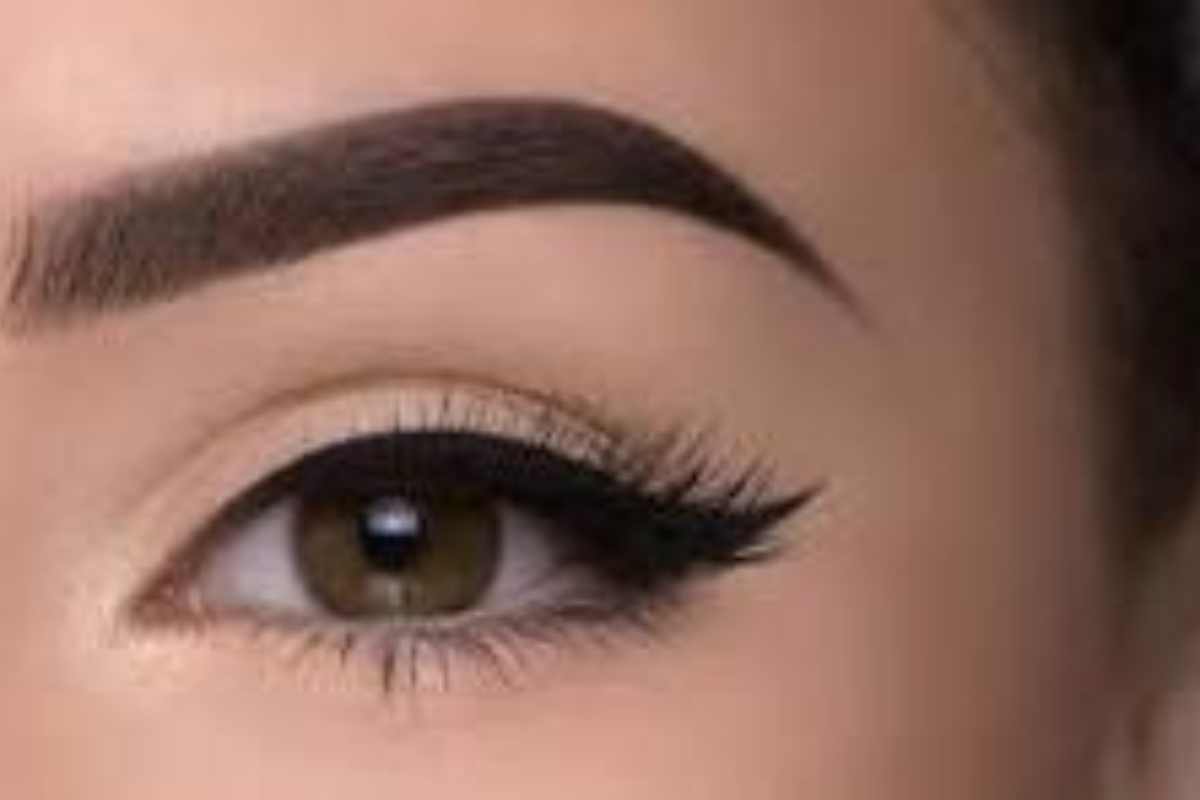
Your eyebrows are not just raised over your eyes, they enclose your face, articulate expression, and may alter, to some subtle (or dramatic) degree, the way people see your proportions. This book is written with the reader in mind: to identify your face shape, to map and sculpt brows that enhance your face and provide a balance, to know how to keep them, maintain them and style them so that the final result will be always natural and glamorous.
Table of Contents
What face shape really mean?
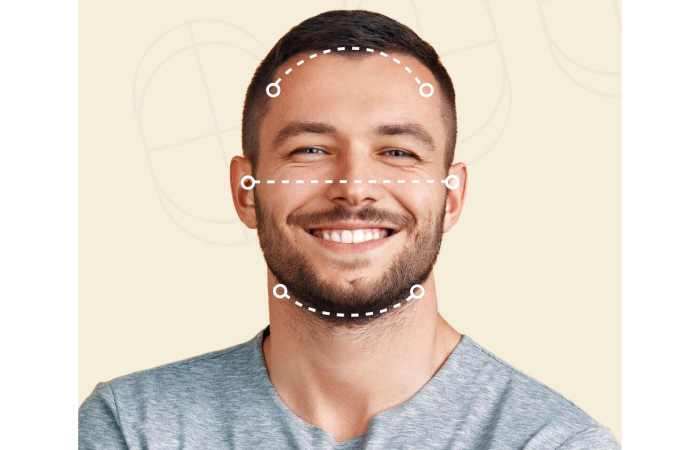
The shape of your face is the wide profile of your forehead, cheekbones, and jaw line. It has nothing to do with being perfect, it is a useful device that stylists employ in order to search eyebrow threading near me, some eyebrows lines that make the balance. The major and the most useful ones are: Oval, Round, Square, Heart, Diamond and Long (Oblong). There are two types, between which most faces lie – make the best of it, not by book.
How to measure your face and map your brow
Before changing anything, stand in natural light with a handheld mirror and a thin eyebrow pencil or makeup brush. These three simple measurements give the foundation for every good shape:
- Start point — Hold a straight tool vertically from the outer edge of your nostril straight up. Where it touches the brow is the natural starting point.
- Arch point — Angle the tool from the outer edge of your nostril through the center of your iris (while looking straight ahead). The intersecting point marks the highest place for your arch.
- End point — Angle from the outer nostril to the outer corner of the eye. Where it crosses the brow is the tail end.
With a pencil marks lightly these three. This frame provides you with information on where hair needs to be, and where it can be removed, thinned, or thickened. In case your natural brow is near these marks, then re-shape them to a minimum, and a little movement gives the best improvement in natural features.
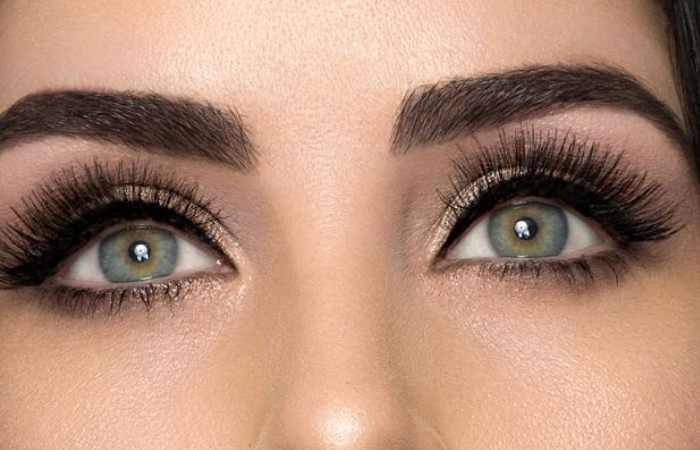
Quick comparison: face shapes and best eyebrow styles
This quick table gives a one-glance match between face shape and eyebrow style, plus a concise why and a practical shaping tip.
| Face shape | Best eyebrow style | Why it helps | Practical tip |
| Oval | Soft, moderate arch | Maintains the natural balance of an already proportionate face | Keep thickness medium and the arch soft — don’t overcorrect. |
| Round | High, angled arch | Adds vertical definition to visually lengthen the face | Build a clear peak slightly behind the center of the eye. |
| Square | Soft angled arch | Soften a strong jawline by introducing gentle curves above the eyes | Avoid a flat, heavy brow that increases boxiness. |
| Heart | Rounded, slightly curved | Balances a wider forehead and narrows the focus away from a pointed chin | Keep the arch low and the tail a touch fuller. |
| Diamond | Curved or soft-angled | Counters wide cheekbones by drawing the eye upward and smoothing proportions | Maintain fullness at the start and a tapered tail. |
| Long/Oblong | Flat, low arch | Reduces perceived vertical length by emphasizing horizontal lines | Keep arch minimal and extend the tail slightly. |
Detailed, face-shape specific advice
Oval faces — aim for natural harmony

What to look for: Forehead slightly wider than the chin, gently rounded jaw, balanced overall.
Brow goal: Maintain proportion. A soft, medium arch that follows your natural line keeps the face balanced without adding unnecessary drama.
Shaping steps: Map start/arch/end using the mirror method. Brush and trim only longer hairs; remove stray hairs beneath the arch to reveal a clean, natural slope. Fill sparse spots with hair-like strokes and blend with a spoolie.
Why this works: Oval faces are the most proportionate, so the eyework is minimal — small adjustments rather than reconstruction.
Round faces — introduce length and structure
What to look for: Width and length are similar; cheeks are the fullest area.
Brow goal: Create lift. A defined, higher arch breaks the horizontal roundness and gives the illusion of a longer face.
Shaping steps: Raise the arch slightly higher than your natural curve (but avoid extreme height). Keep the brow tail angled downwards to lengthen the face. Keep the front of the brow softer to avoid adding weight at the top of the face.
Why this works: Vertical lines and a clear peak create perceived length, which balances round contours.
Square faces — soften strong angles
What to look for: Prominent jawline, broad forehead, strong, straight lines.
Brow goal: Soften and add curvature. A slightly rounded or softly angled arch draws attention upwards while counteracting the boxy lower face.
Shaping steps: Avoid a hard geometric arch; instead, create a gentle slope with a small peak. Keep the brow thicker at the start to anchor the face and taper the tail gently.
Why this works: Curves break strong horizontal jawline emphasis, adding visual softness.
Heart faces — balance a wide forehead and narrow chin
What to look for: Wider forehead and cheekbones with a narrower, pointed chin.
Brow goal: Soften the upper face. Rounded brows with a low to medium arch reduce emphasis on the forehead and bring the focus toward the eyes.
Shaping steps: Soften the arch and avoid a steep peak. Add a little fullness in the tail so the upper face doesn’t dominate. Keep the brow natural-looking at the start to prevent a harsh upper frame.
Why this works: Gentle curves visually distribute attention evenly from forehead to chin.
Diamond faces — soften cheekbones and widen the forehead visually
What to look for: Narrow forehead and jaw with broad cheekbones.
Brow goal: Create horizontal balance. A curved or softly angled brow smooths the face and visually widens the forehead and jawline.
Shaping steps: Keep the front fuller, make the arch slightly behind the center, and taper toward the tail. Avoid short brows; a longer brow helps balance high cheekbones.
Why this works: Curves help soften the midface and redirect focus upward.
Long/Oblong faces — shorten perceived length
What to look for: Face is noticeably longer than it is wide.
Brow goal: Flatten and lengthen horizontally. A low, straight brow reduces vertical length and creates a shorter perceived face.
Shaping steps: Minimal arch, straighter line from start to tail. Extend the tail slightly outward to emphasize width. Don’t over-arch.
Why this works: Horizontal emphasis shortens the face visually.
Step-by-step shaping routine you can use at home
Follow this routine slowly and deliberately. Small changes keep results natural.
- Clean and comb: Wash your face, then brush brows up with a spoolie.
- Mark start/arch/end: Use the mirror method and a pencil to lightly dot the three points.
- Trim sparingly: Comb hair up and trim only long protruding hairs — too much trimming flattens natural fullness.
- Pluck with intention: Remove single hairs outside your mapped shape. Step away every few pulls to check balance.
- Fill using microstrokes: With a fine pencil, mimic hairs in the sparse areas, especially at the head and tail.
- Blend and set: Brush through with a spoolie and lock hairs with a clear or tinted gel.
- Clean the edges: For a crisp finish, use a tiny amount of concealer along the top line and blend outward.
Rule of thumb: Always remove less than you think. You can always remove more later, but you can’t reattach hair.
Measurement-Based Face Shape Table
| Measurement Area | What to Check | What It Indicates |
| Forehead width | Widest top area? | Wider = Heart or Oval |
| Cheekbones | Widest part of face? | Likely Round or Diamond |
| Jawline | Sharp or rounded? | Sharp = Square / Diamond |
| Face length | Longer than width? | Oblong / Oval |
| Chin shape | Pointed or broad? | Pointed = Heart / Diamond |
Quick Face Shape Identification Table
| Face Shape | Key Traits | Easy Recognition Tip |
| Oval | Balanced, slightly longer | Looks “naturally proportional” |
| Round | Equal width & length | Full cheeks, soft edges |
| Square | Strong jaw, equal width | Angular appearance |
| Heart | Wide forehead, narrow chin | Inverted triangle look |
| Diamond | Wide cheekbones, narrow top/bottom | Sharp cheek focus |
| Oblong | Long and narrow | Elongated silhouette |
Filling and makeup techniques for a natural look
- Colour match: Choose a shade one tone lighter if you want a soft look; match exactly for bold definition.
- Front of the brow: Keep lighter and airy. Heavy pigment at the start ages the face. Use upward, short strokes.
- Micro-strokes: Create short, hairlike strokes along the natural direction of growth. Avoid long blocky strokes.
- Soften with spoolie: After applying product, brush through to break up pigment and mimic real hairs.
- Set: Use a clear or tinted gel to smooth flyaways and keep the shape intact.
Grooming Tips That Actually Make a Difference
Daily Grooming Habits
| Habit | Why It Matters |
| Brush brows upward | Instantly lifts your face |
| Use light strokes | Mimics real hair |
| Set with gel | Keeps shape all day |
Weekly Maintenance
| Task | Frequency | Tip |
| Tweezing | 1–2 weeks | Remove only strays |
| Trimming | Monthly | Don’t over-cut |
| Shape check | Monthly | Follow mapping |
Do’s and Don’ts
Do
- Map before you pluck.
- Work in natural light.
- Emphasize balance over strict symmetry.
- Use hairlike strokes for filling.
Don’t - Follow every trend blindly.
- Over-pluck to chase symmetry.
- Rush the shaping process.
How Thick Should Your Brows Be?
| Face Type | Brow Thickness |
| Small face | Medium to thin |
| Large face | Medium to thick |
| Sharp features | Softer, fuller brows |
| Soft features | Slightly defined brows |
Final thoughts
Eyebrows are personal. The “ideal” shape for your face shape should always be adapted to your age, hair density, brow colour, and—most importantly—your style. Even a small adjustment can put you in a state where you can look more relaxed, less sleepy or more sophisticated. Process steps to follow: In the painted points, gently change each; slimness is your first priority: take your time, smoothing to focus on the changes, the smallest will bring the most lasting, enduring results.