

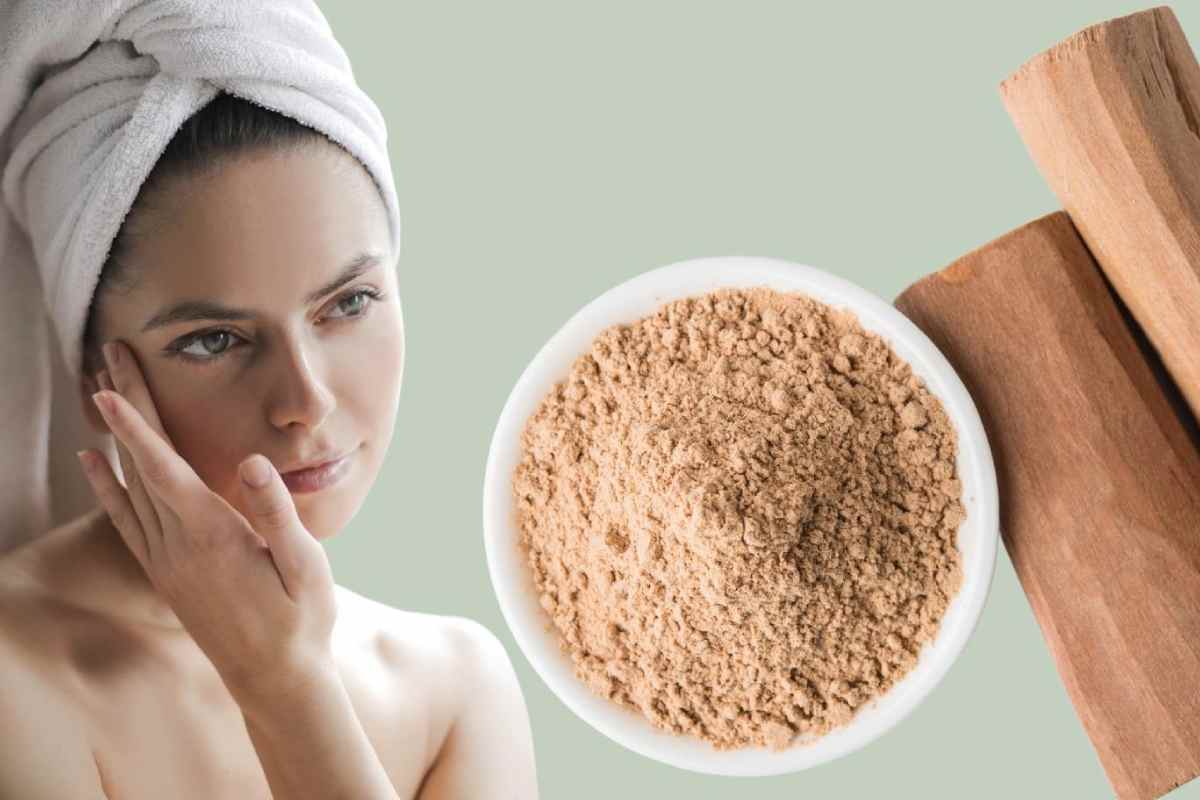
Sandalwood for Skin Benefits – Sandalwood is even said to possess calming fragrance and it is also an excellent cooling agent hence it has been widely used in beauty in ancient Indian and Asian cultures. It can be applied in a great number of ways, e.g., to red acne skin, dull skin, etc., thus it is frequently considered as the essential ingredient in skin care. It may be used in the form of a powder face pack, or may be combined with natural ingredients, including rose water, turmeric, or milk, and which give it a range of (though not exhaustive) advantages to different kinds of skin.
Table of Contents
What is Sandalwood skin care?
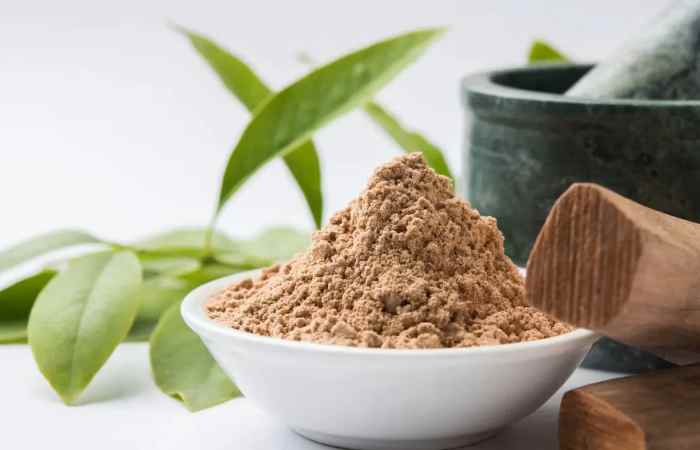
Santalum species of trees produce sandalwood. The wood will be refined into essential oil or broken down into a fine powder, which will be used on skincare and beauty treatments.
Sandalwood also contains such natural ingredients as santalol, capable of anti-inflammatory, anti-bacterial, and relaxing effects. These chemicals help to calm irritated skin, reduce the number of blisters, and also improve the health of the entire skin. Health Benefits of Sandalwood
Nutritional & Active Components in Sandalwood
| Component | Function for Skin |
| Santalol | Anti-inflammatory and calming |
| Antioxidants | Protect skin from damage |
| Natural oils | Maintain skin softness |
| Antibacterial compounds | Fight acne-causing bacteria |
| Cooling properties | Reduce redness and irritation |
These elements make sandalwood suitable for acne-prone, oily, sensitive, and dull skin types.
Top benefits of Sandalwood skin care
Below is a concise table summarizing the primary benefits and how they show up in results you can feel and see.
| Benefit | What it does on skin | Visible result / who will like it |
| Soothes inflammation | Reduces redness and irritation via anti-inflammatory santalols | People with sensitive, rosacea-prone, sun-irritated skin |
| Antimicrobial action | Limits growth of acne-related bacteria and some fungi | Acne-prone or blemish-prone skin |
| Oil control & pore-tightening | Mild astringent, reduces surface oiliness temporarily | Oily/T-zone skin types |
| Brightening & even tone | Reduces inflammation-related pigmentation; helps skin look more even | Post-inflammatory hyperpigmentation, dull skin |
| Antioxidant support | Neutralizes free radicals | Protection against environmental aging |
| Cooling, comforting ritual | Fragrance + texture adds relaxation and routine benefits | Anyone who values ritual + aromatherapy |
Sandalwood vs other natural skincare stars — quick comparison
Sometimes you must choose between ingredients. Here’s a simple, side-by-side table so you can pick the best partner for your skin goal.
| Property / Goal | Sandalwood | Turmeric | Aloe Vera | Rosewater |
| Anti-inflammatory | ✓✓ | ✓✓✓ (curcumin strong) | ✓✓✓ (very soothing) | ✓ (gentle) |
| Antimicrobial | ✓✓ | ✓ (mild) | ✕ | ✕ |
| Brightening | ✓ | ✓✓ | ✕ | ✕ |
| Hydration | ✕ (not hydrating by itself) | ✕ | ✓✓✓ (excellent) | ✓ |
| Suitable for oily/acne | ✓✓ | ✓✓ (caution on irritation) | ✓ (soothing) | ✓ |
| Best as | masks, oils, powders | masks, serums | gel, aftercare | toner, hydrating mist |
Takeaway: Sandalwood is a strong contender when you need calming + mild antimicrobial + brightening. Pair it with aloe for hydration or with turmeric for potent brightening (but be careful with mixing too many active powders at once — see safety below).
2. Reduces Pigmentation and Dark Spots
Hyperpigmentation occurs due to sun exposure, acne scars, or hormonal changes. Sandalwood may help reduce pigmentation because of its skin-brightening and soothing properties.
It works by calming inflammation and gradually improving uneven skin tone.
Types of pigmentation that sandalwood may help with
| Pigmentation Type | Possible Benefit |
| Acne scars | Helps lighten marks |
| Sun tan | Gradually improves skin tone |
| Dark spots | Supports brighter complexion |
| Uneven skin tone | Promotes smoother appearance |
While sandalwood may not completely remove deep pigmentation, it can improve skin clarity over time.
3. Controls Excess Oil
Individuals having oily skin tend to have blocked pores and recurrent breakouts. Sandalwood is also a natural astringent that tightens pores and also decreases the production of oils.
This will come in handy especially when the weather is hot.
4. Soothes Skin Irritation
Traditionally, sandalwood is applied to cases of sunburns, rashes, and mild cases of skin irritation. It is also cooling and therefore suitable to cool inflamed skin.
It is widely employed in cosmetic products that soothe the face and skincare products that are relaxing.
5. Promotes Natural Skin, Glow
Sandalwood masks should be used regularly to remove dead cells on the skin and enhance blood circulation. This can lead to the development of a smoother and brighter-looking skin.
Sandalwood is mostly applied by many people prior to special events as it has the power to give the skin a natural shine and freshness.
Sandalwood vs Other Natural Skincare Ingredients
| Ingredient | Best For | Skin Type | Key Benefit |
| Sandalwood | Acne, pigmentation | All skin types | Soothing and brightening |
| Turmeric | Brightening | Normal to oily | Anti-inflammatory |
| Aloe vera | Hydration | Sensitive skin | Moisturizing |
| Neem | Acne treatment | Oily skin | Antibacterial |
| Rose water | Toner | All skin types | Refreshing |
Sandalwood works best when combined with complementary ingredients such as rose water, aloe vera, or turmeric.
DIY Sandalwood Face Pack Recipes
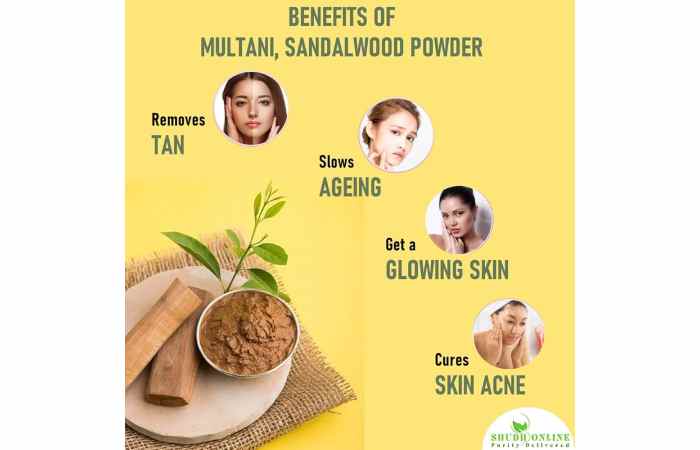
One of the best ways to enjoy sandalwood skincare benefits is by preparing simple face packs at home.
Sandalwood and Rose Water Face Pack (For Oily Skin)
Ingredients
- 1 tablespoon sandalwood powder
- 1 tablespoon rose water
Method
- Mix the sandalwood powder and rose water to form a smooth paste.
- Apply evenly on the face.
- Leave it for 15 minutes.
- Wash with lukewarm water.
Benefits
- Controls oil
- Reduces acne
- Tightens pores
Sandalwood and Turmeric Face Pack (For Pigmentation)
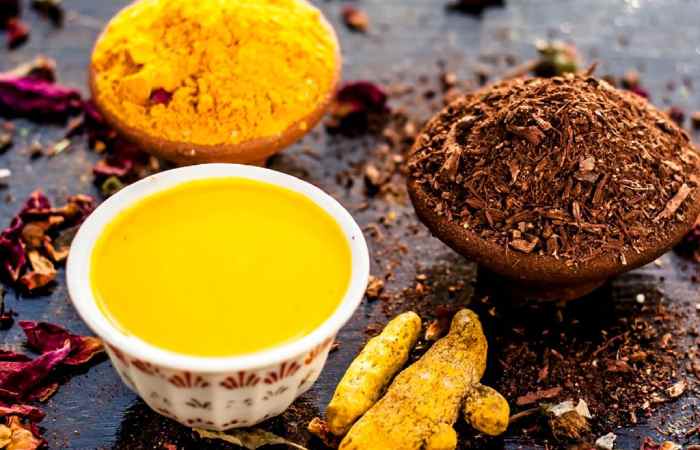
Ingredients
- 1 tablespoon sandalwood powder
- A pinch of turmeric
- 1 tablespoon milk
Method
- Mix all ingredients to form a paste.
- Apply evenly on the face.
- Leave for 10–15 minutes.
- Rinse gently.
Benefits
- Helps reduce pigmentation
- Improves skin brightness
- Reduces dark spots
Sandalwood and Aloe Vera Face Pack (For Sensitive Skin)
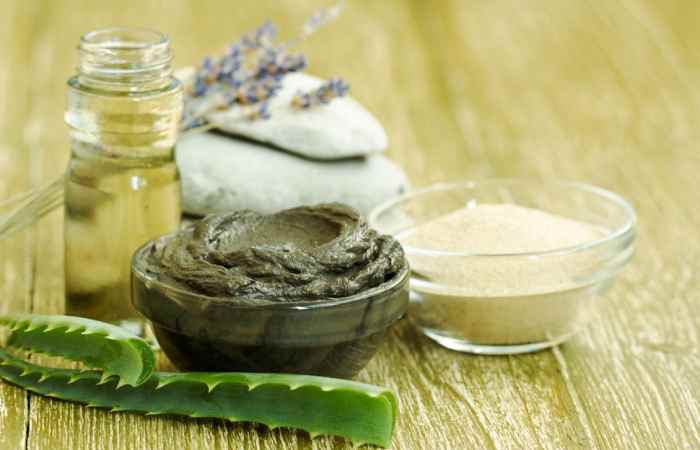
Ingredients
- 1 tablespoon sandalwood powder
- 1 tablespoon aloe vera gel
Method
- Mix sandalwood powder with aloe gel.
- Apply evenly on the face.
- Leave for 15 minutes.
- Rinse with cool water.
Benefits
- Soothes irritation
- Hydrates skin
- Reduces redness
Sandalwood and Honey Face Pack (For Dry Skin)
Ingredients
- 1 tablespoon sandalwood powder
- 1 tablespoon honey
Method
- Mix both ingredients thoroughly.
- Apply on the face and neck.
- Leave for 15 minutes.
- Wash gently.
Benefits
- Moisturizes skin
- Improves skin glow
- Softens rough skin
How Often Should You Use Sandalwood Face Packs?
| Skin Type | Recommended Use |
| Oily skin | 2–3 times per week |
| Dry skin | 1–2 times per week |
| Sensitive skin | Once per week |
| Combination skin | 2 times per week |
Overusing face masks may dry the skin, so moderation is important.
Possible Side Effects of Sandalwood
Although sandalwood is generally safe, some people may experience mild reactions.
| Possible Issue | Cause | Prevention |
| Skin irritation | Sensitive skin | Patch test first |
| Dryness | Frequent use | Use moisturizer |
| Allergy | Rare reaction | Stop use if irritation occurs |
Always perform a patch test before applying sandalwood products to the face.
Tips for Best Results
- Use pure sandalwood powder not artificial fragrance powders.
- Combine with rose water or aloe for balanced hydration.
- Apply sunscreen during the day when treating pigmentation.
- Avoid mixing too many ingredients in one face pack.
Consistency is key when using natural skincare ingredients.
FAQ
Q: Can sandalwood eliminate acne?
A: No single ingredient is a miracle cure. Sandalwood helps by calming inflammation and limiting some acne-causing microbes, so it’s a helpful, supportive ingredient alongside a proper regimen.
Q: Will sandalwood bleach my skin?
A: Not bleach — but it can help even out post-inflammatory pigmentation over time by reducing underlying inflammation that contributes to dark spots.
Q: Can I use sandalwood daily?
A: Gentle forms (hydrosols or formulated creams) can be used regularly. Clay or drying masks should be used less frequently.
Q: Does sandalwood help scars?
A: It may support fading of mild post-inflammatory pigmentation and soothe scarred skin by reducing inflammation; deep scars usually need professional treatments.
Final Thoughts
It is not in vain that Sandalwood is one of the most reliable natural ingredients of skincare. It is a combination of soothing, debriding, and lightening effect, which is appropriate in the treatment of acne, pigmentation, oiliness, and skin irritation.
Sandalwood may be relied upon to enhance the level of skin clearness and a natural glow in spite of time, whether applied in a plain rose water face pack or the addition of ingredients such as aloe vera or turmeric.
Also Read: How to stop lipstick from bleeding – Reasons, Tips to stop lipstick from bleeding, and More