

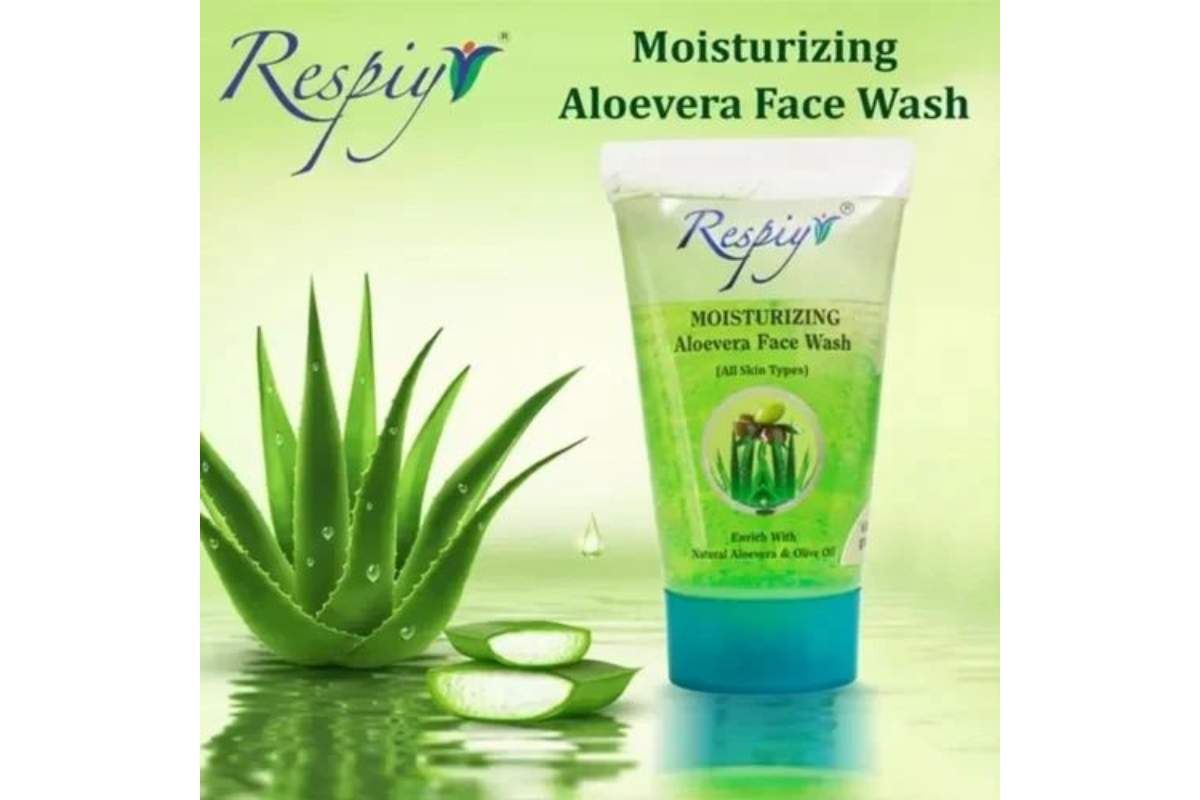
Aloe vera has also been omnipresent in recent times, in creams, shampoos, and face washes. The gel of aloe leaves has soothing, hydrating, and even anti-inflammatory properties that would make it an excellent filler in soft cleansers. And in case you are wondering what aloe vera face wash will work with your skin, or how to apply it, or even how to create one yourself, then this post will take you step-by-step through all of it, in more user-friendly and approachable instructions.
Table of Contents
What is an aloe vera face wash?
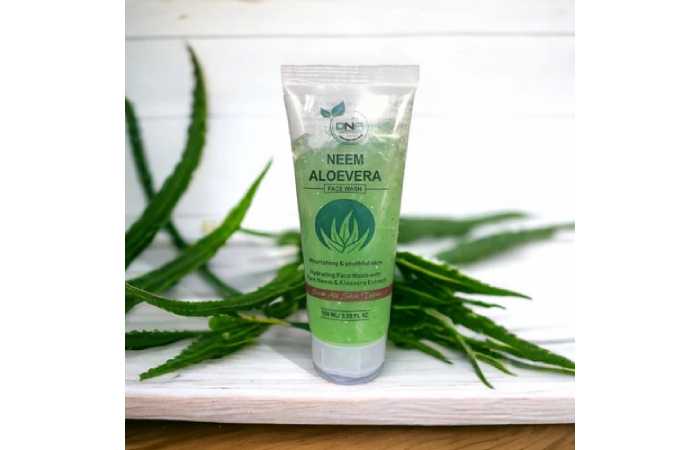
Aloe vera facial wash is an inexpensive facial cleaning product, in which aloe vera gel (or aloe-based extracts) are one of the main ingredients. It is a gel, cream, foam, micellar water or an oil-based cleanser depending on what it is formulated. The extent of hydration, calming effect, and a slight amount of antioxidants Aloe adds: the remainder of the ingredients dictate the extent of cleansing, foaming nature, and interactions between it and oils and makeup.
Why people love aloe vera face wash
- Light on the skin – good on your irritated or red or sensitive skin.
- Hydrating – This assists the skin to maintain its moisture against drying it up.
- Healing properties– reassures sunburn, reddening, and after-shaving inflammation.
- Lightweight- non-greasy touch; it has a tendency to rinse out.
- Multitasking — available in a variety of types (gel, cream, micellar), which means that you are able to pair it with skin type.
How aloe vera works in a cleanser (simple science)
Aloe vera gel comprises of polysaccharides (such as acemannan), and vitamins in small quantities, salicylic-like substances and enzymes. In cleansers, the following ingredients:
- Create a hydrating coating that curbs the loss of water.
- Offer slight anti-inflammatory effects of calming the redness.
- Use softer cleansing together with slightly lapped surfactants.
It is not such a magic cure for acne; it eases irritation, and the person’s skin feels fine after washing.
Who should use aloe vera face wash?
- People with sensitive or reactive skin.
- Those with combination skin who want hydration without heaviness.
- Post-sun or irritated skin needs calm.
- People who prefer lighter routines and hate tightness after washing.
Not ideal if you need a heavy-duty acne-clearing cleanser (look for medicated actives such as benzoyl peroxide or higher-concentration salicylic acid) or heavy makeup removers—aloe alone won’t take off heavy waterproof makeup. Healthline – Aloe Vera for Face
Types of aloe vera face washes
| Type | Best for | Texture/feel | Pros | Cons |
| Aloe gel cleanser (non-foaming) | Sensitive, dry, mature skin | Lightweight gel, no lather | Hydrating, soothing, gentle | May not remove heavy sunscreen/makeup |
| Foaming aloe cleanser | Oily/combination skin | Light foam, more “clean” feeling | Removes oil, fresh feeling | Can be drying if surfactants are strong |
| Cream/cream-to-milk with aloe | Dry/normal skin | Rich, milky | Very moisturizing, creamy | Might feel heavy for oily skin |
| Micellar water with aloe | All skin types; quick cleanse | Water-like, no rinse needed | Removes light makeup, gentle | Not deep cleansing; needs wipe or cotton |
| Aloe + exfoliating acids | Congested, acne-prone skin | Gel/foam with AHA/BHA | Helps clear pores, treats texture | Risk of irritation if overused |
Comparison table: DIY vs Store-bought aloe vera face wash
| Feature | DIY aloe vera face wash | Store-bought aloe vera face wash |
| Control of ingredients | High — you choose each ingredient | Variable — manufacturer decides formula |
| Preservatives | Often none (short shelf life) | Usually included (longer shelf life) |
| Customization | Easy to tailor to skin needs | Formulated for broad use |
| Stability & safety | Risk of contamination if not preserved | Typically stable and dermatologically tested |
| Cost | Low per batch | Higher, but convenient |
| Effectiveness | Great for gentle cleansing | Formulations can include advanced actives |
How to choose the right aloe vera face wash for your skin
- Dry/sensitive skin: pick an aloe gel or creamy aloe face wash with glycerin and minimal surfactants. Avoid fragrance and strong alcohols.
- Oily / acne-prone skin: choose an aloe foaming wash with a gentle surfactant plus niacinamide or a low % salicylic acid. Avoid heavy oils.
- Combination: a gel-to-foam with hydrating humectants works well.
- Mature skin: a moisturizing aloe cream cleanser with gentle AHA (low concentration) can brighten and hydrate.
- If you have rosacea or severe sensitivity, patch-test and opt for minimal-ingredient aloe gel cleansers.
DIY aloe vera face wash — three easy recipes
Important: homemade cleansers generally lack preservatives. Make small batches, store in the fridge, and use within 5–7 days. If you want a longer shelf life, study safe preservation methods or use store-bought.
1) Simple Soothing Aloe Gel Cleanser (very gentle)
Ingredients
- 3 tablespoons pure aloe vera gel (fresh or 100% pure)
- 1 tablespoon liquid castile soap (unscented)
- 1 teaspoon vegetable glycerin
- 2–3 drops lavender essential oil (optional — skip for sensitivity)
Method
- Stir all ingredients in a clean bowl until smooth.
- Pour into a pump bottle. Use 1–2 pumps per wash.
Why it works: Castile soap provides gentle cleansing; aloe + glycerin hydrate; essential oil gives scent (optional).
2) Aloe + Green Tea Foaming Cleanser (for oily/combination)
Ingredients
- 4 tablespoons aloe vera gel
- 2 tablespoons brewed, cooled green tea (antioxidant)
- 1 tablespoon mild foaming cleanser base (decyl glucoside) or liquid castile soap
- 1 teaspoon niacinamide powder (optional — dissolve thoroughly)
Method
- Mix the liquid ingredients; whisk until blended.
- Store in a foaming pump bottle for an airy lather.
Why it works: green tea soothes and provides antioxidants; foaming base helps remove oil without harsh sulfates.
3) Hydrating Aloe Milk Cleanser (makeup-light removal + moisturising)
Ingredients
- 3 tbsp aloe vera gel
- 3 tbsp almond or oat milk (unsweetened)
- 1 tbsp sweet almond oil or jojoba oil (small amount)
- ½ tsp vitamin E oil (antioxidant, optional)
Method
- Combine in a jar and shake before use. Apply with fingers or cotton pad, then rinse or wipe with damp cloth.
Why it works: milky base dissolves light makeup; small oil portion balances hydration; aloe calms.
What to expect after switching to an aloe face wash
- Short-term (first week): skin may feel less tight, calmer. If your previous cleanser stripped oils, you’ll notice less flaking.
- 2–4 weeks: hydration and barrier improvements may be visible; acne-prone skin might need additional active treatments if breakouts persist.
- If irritation appears: switch off immediately. Patch testing new products for 48 hours is smart.
Daily Skincare Routine Using Aloe Vera Face Wash
Using an aloe vera face wash consistently can help maintain balanced, calm, and hydrated skin. However, the effectiveness also depends on how you include it in your daily skincare routine. A simple routine ensures your skin receives cleansing, hydration, and protection throughout the day.
Morning Routine

The morning routine focuses on removing overnight oil buildup and protecting the skin from environmental damage.
Step-by-Step Routine
| Step | Product | Purpose |
| 1 | Aloe Vera Face Wash | Removes oil, sweat, and bacteria from overnight |
| 2 | Toner (Alcohol-Free) | Balances skin pH and tightens pores |
| 3 | Serum (Vitamin C or Niacinamide) | Brightens skin and improves texture |
| 4 | Moisturizer | Hydrates and locks in moisture |
| 5 | Sunscreen (SPF 30+) | Protects skin from sun damage |
How to Cleanse Properly
- Splash your face with lukewarm water.
- Take a pea-sized amount of aloe vera face wash.
- Massage gently in circular motions for 20–30 seconds.
- Rinse thoroughly and pat dry with a soft towel.
Avoid rubbing the skin harshly, as this can damage the skin barrier.
Night Routine

Your night routine focuses on removing dirt, pollution, makeup, and excess oil accumulated during the day.
Step-by-Step Routine
| Step | Product | Purpose |
| 1 | Makeup Remover / Micellar Water | Removes makeup and sunscreen |
| 2 | Aloe Vera Face Wash | Deep cleans pores and removes impurities |
| 3 | Toner | Refreshes and restores skin balance |
| 4 | Treatment Serum (Retinol / Hyaluronic Acid) | Repairs and hydrates skin overnight |
| 5 | Night Cream | Nourishes and supports skin repair |
Optional Weekly Additions
| Treatment | Frequency | Benefits |
| Aloe Vera Face Mask | 1–2 times per week | Deep hydration and soothing |
| Gentle Exfoliation | 1 time per week | Removes dead skin cells |
| Steam + Aloe Cleanse | 1–2 times per month | Helps open and clean pores |
Daily Routine by Skin Type
Different skin types benefit from slightly different routines when using aloe vera face wash.
For Dry Skin
| Morning | Night |
| Aloe cleanser | Oil cleanser + aloe wash |
| Hydrating toner | Hydrating toner |
| Hyaluronic acid serum | Repair serum |
| Rich moisturizer | Thick night cream |
| Sunscreen | — |
Tip: Choose creamy aloe cleansers that include glycerin or natural oils.
For Oily Skin
| Morning | Night |
| Aloe foaming cleanser | Aloe cleanser |
| Oil-control toner | Toner |
| Niacinamide serum | Acne treatment serum |
| Gel moisturizer | Light moisturizer |
| Sunscreen | — |
Tip: Avoid overly moisturizing cleansers; choose light gel formulas.
For Sensitive Skin
| Morning | Night |
| Gentle aloe gel cleanser | Aloe cleanser |
| Soothing toner | Calming toner |
| Aloe or centella serum | Barrier repair serum |
| Lightweight moisturizer | Moisturizer |
| Sunscreen | — |
Tip: Use fragrance-free aloe cleansers.
How Often Should You Use Aloe Vera Face Wash?
| Skin Type | Recommended Frequency |
| Oily Skin | Twice daily |
| Normal Skin | Twice daily |
| Dry Skin | Once or twice daily |
| Sensitive Skin | Once daily or gentle twice daily |
Over-washing can strip natural oils, even with gentle cleansers.
Who Should Avoid Aloe Vera Face Wash?
Although aloe vera is considered gentle, some people should be cautious or avoid it entirely.
1. People with Aloe Allergies
A small number of individuals are allergic to aloe vera. Symptoms may include:
- Redness
- Burning sensation
- Itching
- Skin rash
Always perform a patch test before applying any aloe-based product to your face.
2. People with Extremely Dry or Damaged Skin
Some aloe cleansers contain foaming agents or alcohol, which may worsen dryness.
If you have:
- Severe eczema
- Skin barrier damage
- Peeling or cracked skin
Use a dermatologist-recommended cleanser instead.
3. People Using Strong Acne Treatments
If you are using strong active ingredients, such as:
- Benzoyl peroxide
- Retinoids
- Prescription acne medication
Combining them with certain aloe products that contain acids may cause irritation or dryness.
FAQs
Q: Will aloe face wash clear acne?
A: Aloe helps soothe and reduce irritation, but it’s not a primary acne treatment. For inflammatory acne, look for cleansers with proven actives (benzoyl peroxide, salicylic acid). You can pair those with an aloe-based moisturizer or use an aloe face wash as the gentler step in your routine.
Q: Can it remove sunscreen/makeup?
A: Light sunscreen and light makeup—yes. Heavy waterproof makeup or thick sunscreens need either an oil-based first cleanse or a specifically formulated makeup remover.
Q: Is natural aloe always better?
A: “Natural” doesn’t always mean better; it comes down to formulation. A well-preserved, dermatologically tested product is safer than an unpreserved DIY that becomes contaminated.
Final thoughts
Aloe face wash is a safe, effective product if you are willing to clean your face gently and with moisture at the same time. The marketing statement of aloe inside does not carry much weight, but the formulation does. Find the texture (gel, foam, cream) that best matches the nature of your skin.