

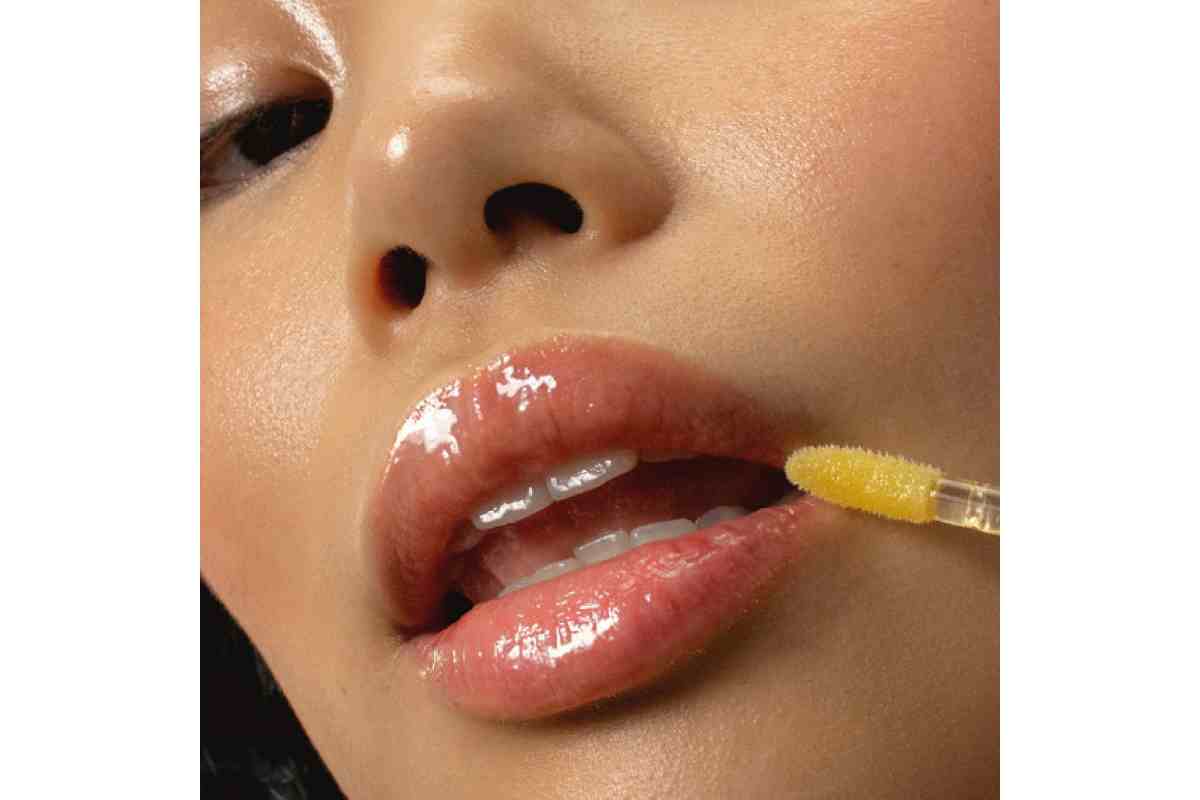
Chapped lips are one of those small problems that feel way bigger than they should. One day your lips feel fine, and the next day they’re dry, tight, peeling, or even cracked enough to sting when you smile. Lip balms help—sometimes—but they don’t always solve the problem at the root.
That’s where honey quietly steps in.
Honey has been used for skin healing for thousands of years, long before commercial lip balms and overnight masks existed. It’s gentle, edible, affordable, and surprisingly powerful when it comes to repairing dry, damaged lips. And the best part? You probably already have it sitting in your kitchen.
In this guide, we’ll break down why honey works for chapped lips, how to use it properly, what type of honey is best, and realistic results you can expect—all in a practical, human way, without hype or overpromises.
Table of Contents
Why Lips Get Chapped in the First Place
Before jumping into remedies, it helps to understand why lips dry out so easily.
Unlike the rest of your skin, lips:
-
Don’t have oil glands
-
Have thinner skin
-
Lose moisture faster
-
Are constantly exposed to weather, food, and saliva
Common triggers include cold weather, dry air, dehydration, lip licking, sun exposure, smoking, and even certain toothpaste ingredients.
Once the protective barrier breaks down, moisture escapes quickly—and that’s when cracking, peeling, and soreness begin.
Why Honey Is So Effective for Chapped Lips
Honey isn’t just sticky sweetness. It’s a complex natural substance with properties that directly address the main causes of chapped lips.
How Honey Helps Lips Heal
| Honey Property | What It Does for Chapped Lips |
|---|---|
| Natural humectant | Draws moisture from the air into the lips |
| Antibacterial | Helps prevent infection in cracked lips |
| Anti-inflammatory | Reduces redness and irritation |
| Healing enzymes | Supports faster skin repair |
| Gentle exfoliation | Softens flakes without harsh scrubbing |
Unlike many lip products that just sit on the surface, honey actively hydrates, heals, and protects at the same time.
Raw Honey vs Regular Honey: Does It Matter?
Yes—it really does.
Best Types of Honey for Lip Care
| Type of Honey | Is It Good for Chapped Lips? | Why |
|---|---|---|
| Raw honey | ✅ Excellent | Retains enzymes, antioxidants, and healing properties |
| Organic honey | ✅ Very good | Fewer additives, better purity |
| Processed honey | ⚠️ Okay | Still moisturizing but less healing |
| Flavored honey | ❌ Not ideal | Added sugars and flavors may irritate lips |
If possible, raw or organic honey gives the best results, especially for severely cracked or bleeding lips.
How to Use Honey for Chapped Lips (The Right Way)
Using honey is simple, but small details make a big difference.
Basic Honey Lip Treatment
-
Wash your hands
-
Apply a thin layer of honey directly to clean lips
-
Leave it on for 15–30 minutes (or longer if comfortable)
-
Gently wipe off or lick clean
-
Repeat 2–3 times a day
For overnight healing, apply a slightly thicker layer before bed and let it work while you sleep.
Honey Lip Treatments for Different Lip Problems
For Mild Dryness
If your lips feel tight but aren’t cracked yet, honey alone works beautifully.
Apply a thin layer once in the morning and once at night to prevent further dryness.
For Severely Chapped or Cracked Lips
When lips are painful, peeling, or bleeding, honey becomes more than a moisturizer—it becomes a healing agent.
Apply honey 3 times daily and avoid licking your lips in between. Most people notice relief within 24–48 hours.
For Peeling and Flaky Lips
Honey naturally softens dead skin, making flakes easier to remove without harsh exfoliation.
Apply honey, wait 10 minutes, then gently rub lips with a clean fingertip or soft cloth before rinsing.
DIY Honey Lip Mask Recipes
Honey works great on its own, but combining it with other gentle ingredients can boost results.
Honey + Coconut Oil Lip Mask
| Ingredient | Benefit |
|---|---|
| Honey | Hydration + healing |
| Coconut oil | Locks in moisture |
How to use:
Mix equal parts honey and coconut oil. Apply before bed and leave overnight.
Honey + Sugar Lip Scrub (Use Sparingly)
| Ingredient | Purpose |
|---|---|
| Honey | Soothes and repairs |
| Sugar | Gentle exfoliation |
How to use:
Mix a small pinch of sugar with honey. Massage gently for 10 seconds only. Rinse and apply honey again.
Use once a week max, not on cracked lips.
Honey + Ghee (Traditional Remedy)
In many Indian households, honey mixed with ghee is a trusted lip remedy.
| Ingredient | Why It Works |
|---|---|
| Honey | Heals and hydrates |
| Ghee | Deep nourishment |
Perfect for winter dryness and overnight repair.
Can You Leave Honey on Lips Overnight?
Absolutely—and it’s one of the most effective ways to use it.
Overnight Honey Lip Therapy
-
Apply a thick but comfortable layer
-
Avoid licking
-
Sleep normally
-
Wake up with noticeably softer lips
If honey feels too sticky, seal it with a thin layer of petroleum jelly or beeswax balm.
How Long Does It Take for Honey to Heal Chapped Lips?
Results depend on how damaged your lips are.
| Lip Condition | Expected Improvement Time |
|---|---|
| Mild dryness | Same day |
| Moderate chapping | 1–2 days |
| Deep cracks | 2–4 days |
| Chronic dryness | 1 week with consistent use |
Consistency matters more than quantity.
Honey vs Lip Balm: Which Is Better?
This isn’t an either-or situation—but honey often outperforms regular balms.
Comparison Table
| Feature | Honey | Commercial Lip Balm |
|---|---|---|
| Hydration | Deep, active | Often surface-level |
| Healing | Strong | Limited |
| Ingredients | Natural | May contain fragrances |
| Long-term results | Better | Temporary |
| Stickiness | Yes | Less |
Many lip balms seal moisture without adding it. Honey actually adds moisture first, which is why it works so well.
Is Honey Safe for Daily Use on Lips?
Yes—for most people.
Safety Tips
-
Always use clean fingers or a cotton swab
-
Avoid flavored or artificial honey
-
If you have a pollen allergy, test first
-
Don’t use on infected or pus-filled cracks without medical advice
Honey is edible, gentle, and safe even if accidentally ingested.
Can Honey Darken Lips?
No—honey does not darken lips.
In fact, regular use may improve lip tone by healing damage caused by dryness, sun exposure, and irritation.
Some people even notice their lips looking naturally pinker after consistent use.
Honey for Kids and Sensitive Lips
Honey is generally safe for adults and children over one year old. It’s especially helpful for sensitive lips that react to scented lip products.
For children, apply a very thin layer and avoid overnight use unless supervised.
Common Mistakes to Avoid When Using Honey on Lips
| Mistake | Why It Causes Problems |
|---|---|
| Licking lips after applying | Dries lips further |
| Using honey once and stopping | Healing needs consistency |
| Scrubbing cracked lips | Worsens damage |
| Applying on dirty lips | Reduces effectiveness |
Small habits can either speed up healing—or slow it down.
When Honey Alone Is Not Enough
If your lips:
-
Crack constantly
-
Bleed often
-
Stay dry year-round
-
Burn or itch severely
You may be dealing with dehydration, vitamin deficiency, allergies, or medical conditions. Honey helps—but addressing the root cause matters too.
How to Prevent Chapped Lips Long-Term (With Honey)
Daily Lip Care Routine
| Time | What to Do |
|---|---|
| Morning | Thin layer of honey or balm |
| Daytime | Avoid licking lips |
| Evening | Honey lip mask |
| Weekly | Gentle honey exfoliation |
Add hydration, sun protection, and a balanced diet—and chapped lips become rare.
Final Thoughts: Is Honey Worth Trying for Chapped Lips?
If you want a natural, affordable, and genuinely effective solution, honey is hard to beat.
It doesn’t promise overnight miracles—but it consistently delivers real relief, smoother lips, and faster healing without irritation. Whether you’re dealing with seasonal dryness or chronic chapping, honey is one of those simple remedies that earns its place in your routine.