

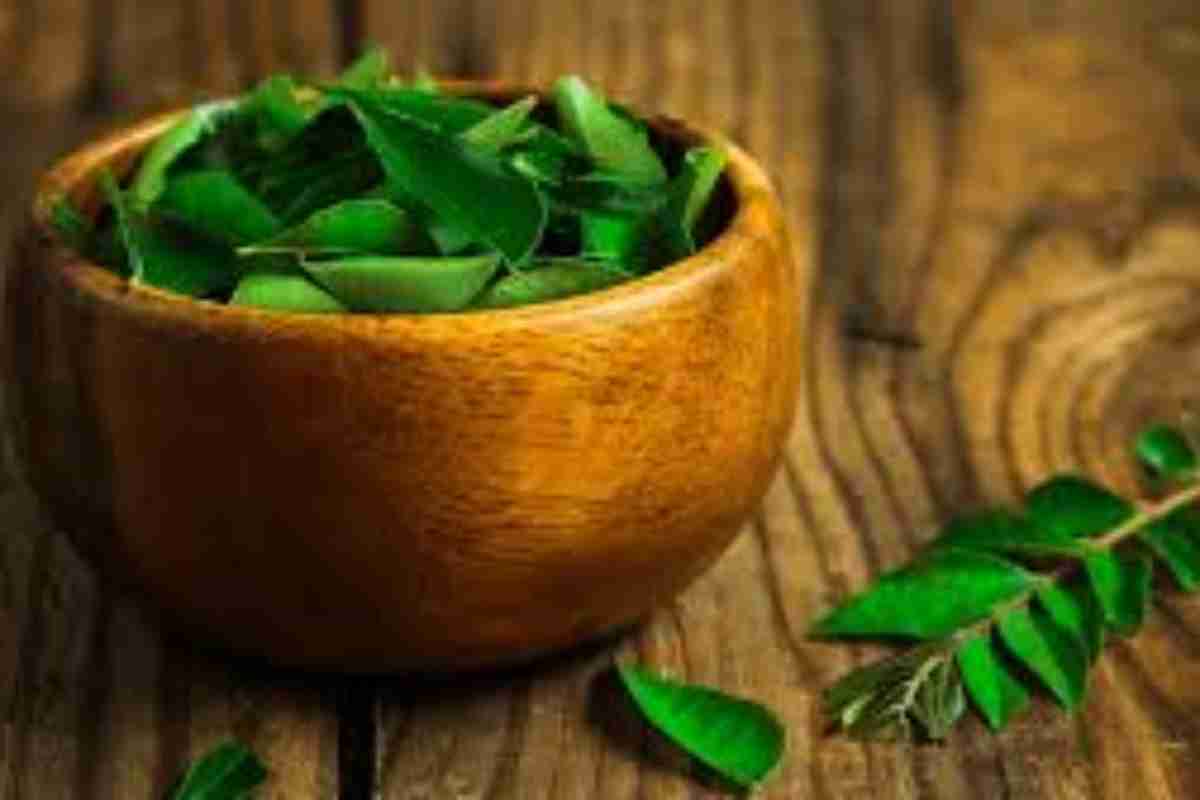
Curry Leaves for Hair Growth – Benefits, Methods to use curry leaf, and More. If you grew up in an Indian household, you’ve heard this a thousand times:
“Start using curry leaves—your hair will stop falling.” My mom, my dadi, aunty next door — everyone had a version of that advice. I tried it, stopped, tried again, got mixed results, and eventually paid attention to why it sometimes works and why it sometimes doesn’t.
Hereby is a no-fuss, bare-and-long opinion: Curry leaves will not suddenly start growing hair on bald areas, but it may help one have a better scalp life and break less hair when used correctly. Great, read on, I will explain how I used them, what worked, what failed, and which pages on this site you might consider moving forward to provided you are in the planning process of an entire DIY regime.
Table of Contents
A quick reality check (before we go further)
Curry leaf for hair growth – Curry leaves do not regrow lost hair or cure baldness.
Dermatologists are very clear on this: once hair follicles are dead, no home remedy can revive them.
However, curry leaves can help with:
- Hair fall caused by weak roots
- Dry, unhealthy scalp
- Breakage due to poor hair care
That’s where people see results—and that’s where confusion starts.
Why Curry Leaves Became a Hair Remedy in Indian Homes
In Indian cooking, curry leaves are used almost daily. Naturally, elders believed if something is good for the body, it must be good for hair too.
And they weren’t completely wrong.
Curry leaves have:
- Natural antioxidants
- Some amino acids
- Compounds that protect skin and scalp cells
In simple words, they support scalp health. And healthy scalp = better chance for hair to stay longer.
My personal experience using curry leaves
I’ve mainly used curry leaves during:
- Stress-related hair fall
- Seasonal shedding
- Dry scalp phases
What I genuinely noticed:
- Hair fall reduced slowly (after a few weeks)
- Less hair breakage while combing
- Hair felt stronger, not thicker
What I didn’t notice:
- New hair on empty areas
- Sudden volume increase
Honestly, using a wide-tooth comb helped me reduce breakage more than any oil. If you’re struggling with tangles, this guide is worth reading.
How curry leaves actually help hair (simple explanation)
Curry leaf for hair growth – When hair falls more than usual, it’s often a scalp problem (inflammation, dryness, stress) rather than follicles dying. Curry leaves can:
- Calm minor scalp irritation, thanks to antioxidant action.
- Improve hair shaft strength slightly, reducing breakage.
- Add a mild protective effect when used as an oil treatment.
If you want a plain-English overview of how doctors view hair loss causes and when to see a pro, Cleveland Clinic and the American Academy of Dermatology have straightforward guides.
Best ways to use curry leaves for hair (what worked & what didn’t)
Curry leaves oil (most practical method)
This is the safest and most popular option.
How most people do it:
- Heat fresh curry leaves in coconut or sesame oil (low flame)
- Cool, strain, and store
- Massage once a week
This works best if you already follow gentle washing habits. Washing hair with very hot water can cancel out the benefits—this article explains why.
Curry leaves paste (use carefully)
Grinding curry leaves into a paste and applying directly:
- Can reduce mild dandruff
- Gives temporary scalp freshness
But overuse can dry hair or cause itching, especially if your scalp is sensitive.
Eating curry leaves
Adding curry leaves to food is healthy, but don’t expect visible hair growth from diet alone. Hair health depends much more on iron, protein, hormones, and stress.
Who curry leaves help – and who they don’t
Who will actually see results from curry leaves?
| Situation | Will curry leaves help? | Why |
| Stress-related hair fall | Yes | Scalp calming effect |
| Seasonal shedding | Yes | Reduces breakage |
| Dry, flaky scalp | Yes | Improves scalp condition |
| Genetic baldness | No | Follicles are inactive |
| Old bald patches | No | Requires medical treatment |
If hair fall is sudden and heavy, don’t delay medical advice. Healthline also points out that hair loss can signal deeper issues.
How long does it take to see any result?
Be realistic.
- 3–4 weeks → hair fall reduces slightly
- 2–3 months → hair feels stronger
- 4–6 months → mild improvement in overall volume
No genuine remedy works in 7–15 days.
Quick comparison: curry leaves vs other home remedies
| Remedy | Good for | Downside |
| Curry leaves | Scalp health, reduce breakage | Slow; not for baldness |
| Onion oil | Improves circulation | Strong smell, sticky |
| Aloe vera | Soothes dry scalp | Mild effect on growth |
Side effects people rarely talk about
Even natural remedies can cause issues:
- Too much oiling → greasy scalp
- Paste → itching or dryness
- Daily use → increased hair fall
Always patch test and stop if irritation starts.
When home remedies are not enough
See a doctor if you notice:
- Sudden heavy hair loss
- Bald patches
- Fatigue or irregular periods
- Rapid thinning
Cleveland Clinic strongly advises evaluation in such cases
FAQs
- Do curry leaves really regrow hair?
No. They support scalp health and reduce hair fall but do not regrow lost follicles. - How often should I use curry leaves for hair?
1–2 times a week is enough. Overuse can dry the scalp. - Can curry leaves stop hair fall completely?
They can reduce hair fall caused by scalp stress, not medical or genetic causes. - Is curry leaves oil better than eating curry leaves?
Oil helps the scalp locally; eating helps nutrition. Neither works alone. - How long before I see results from curry leaves?
Expect subtle changes after 1–2 months with consistent use.
Final thoughts (very honestly)
Curry leaf for hair growth – Curry leaves are supportive, not magical.
They helped me reduce hair fall when my scalp was unhappy—but they never regrew lost hair.
If you treat curry leaves as a small part of a bigger routine—gentle combing, correct washing, good nutrition—they make sense. If you expect miracles, you’ll only get disappointed.