

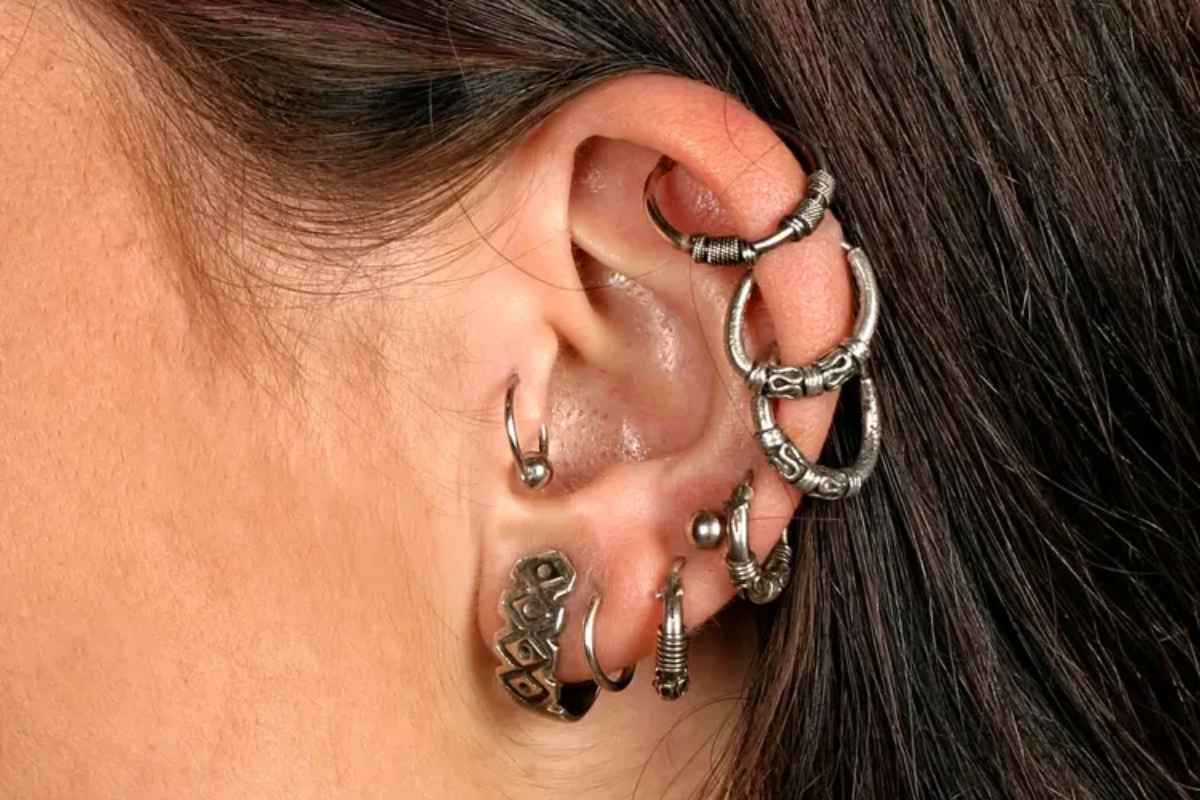
Helix piercing may be fancy, trendy, simple or aggressive in its way of dressing it. However, there is one thing that all the helix piercing have in common, that is, it is slow to heal. A helix piercing wound takes a long time and does not settle down easily, as compared to an earlobe piercing, since the latter goes through the cartilage, not soft tissue.
The nearest response is that a helix piercing normally requires 3-12 months to heal completely. To some individuals it might be all right after a couple of weeks, but being okay is not being cured. Cartilage healing occurs in phases and the external surface may be appearing tranquil, even before the interior obtains its healing.
This guide is a real and clear breakdown to a helix piercing, whether you are planning to do that or have one and wondering why it is still sore a few months after, or you just wonder the reason.
Table of Contents
What Is a Helix Piercing?
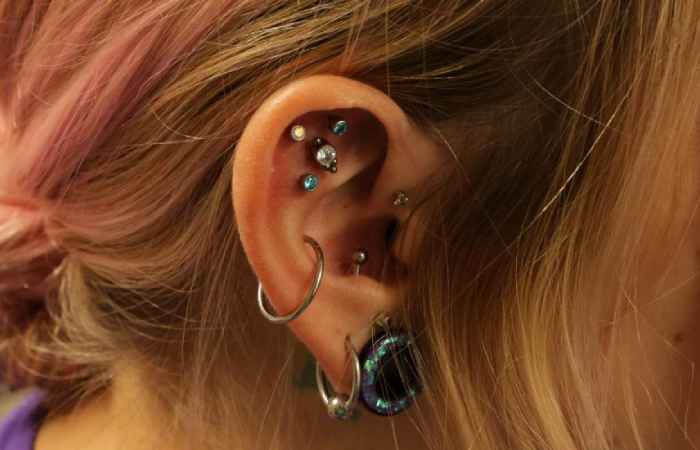
The helix piercing is a piercing on the outer rim of the ear which is harder and less pliable than the ear lobe. This is among the most favourite cartilage piercings as it is cool, universal and can be combined with hoops or studs as well as beautiful flat-back gems. There are also several variations, such as:
- Single helix piercing
- Double helix piercing
- Triple helix piercing
- Forward helix piercing
- High helix piercing
Each version heals in a similar way, but multiple piercings at once usually take longer because the ear has more healing work to do.
Helix Piercing Healing Time: The Real Timeline
A helix piercing does not heal overnight, and it usually does not even heal in a month. Since cartilage has a limited blood supply compared with soft tissue, the body takes longer to repair it.
Typical healing range
| Piercing Type | Average Healing Time | Notes |
| Standard earlobe piercing | 6–8 weeks | Heals faster because it is soft tissue |
| Helix piercing | 3–12 months | Cartilage takes significantly longer |
| Forward helix | 4–12 months | Often more sensitive because of placement |
| Double helix | 6–12 months | Healing may take longer than a single piercing |
| Tragus / cartilage piercings | 3–12 months | Similar healing challenges as helix |
A good rule to remember is this: a helix piercing may feel okay in a few weeks, but full healing can still take many months.
Why Does a Helix Piercing Take So Long to Heal?
The main reason is the ear’s cartilage structure. Cartilage does not have the same blood flow as the fleshy part of the ear, so oxygen and nutrients reach the area more slowly. That means the body needs more time to repair the piercing channel.
Other factors also influence healing:
- Touching or twisting the jewelry too often
- Sleeping on the pierced ear
- Using the wrong jewelry material
- Low-quality aftercare
- Accidental bumps
- Infection or irritation
- Piercing done with a gun instead of a needle
- Your body’s natural healing speed
Some people heal smoothly in a few months. Others take nearly a year. Both can be normal.
Healing Stages of a Helix Piercing
Understanding the healing stages can make the process less stressful. A helix piercing usually goes through several phases.
| Healing Stage | What You May Notice | Approximate Time |
| Inflammatory stage | Redness, swelling, tenderness, warmth | First few days to 2 weeks |
| Repair stage | Less pain, formation of healing tissue | 2 weeks to 2 months |
| Stabilizing stage | Occasional soreness, crusting, sensitivity | 2 to 6 months |
| Full healing stage | Piercing feels comfortable, little to no irritation | 3 to 12 months |
During the first stage, some redness and swelling are expected. During the middle stages, the piercing may seem calm, then suddenly get irritated after sleep, stress, friction, or accidental movement. That does not always mean something is wrong. It often means the piercing is still fragile.
Helix Piercing Healing Time vs. Other Ear Piercings
People often compare helix piercings with lobe piercings, but the difference is huge.
| Piercing | Tissue Type | Healing Time | Pain Level | Care Difficulty |
| Earlobe | Soft tissue | 6–8 weeks | Low | Easy |
| Helix | Cartilage | 3–12 months | Moderate | Moderate to high |
| Forward helix | Cartilage | 4–12 months | Moderate | Moderate to high |
| Tragus | Cartilage | 3–12 months | Moderate | Moderate |
| Industrial | Cartilage | 6–12 months or more | Higher | High |
This is why experienced piercers often remind clients not to compare cartilage healing with lobe healing. They are simply not the same.
What Affects How Fast a Helix Piercing Heals?
Healing is not one-size-fits-all. A few people will heal faster, while others need a much longer timeline. Here are the biggest factors. Cleveland Clinic – Ear Piercing Healing Guide
Jewelry material
High-quality jewelry matters more than most people realize. Implant-grade titanium, surgical steel of good quality, or solid gold are commonly recommended by professional piercers. Poor materials can trigger irritation and slow healing.
Jewelry style
A flat-back stud is usually easier to heal with than a hoop, especially in the beginning. Hoops can move more and may rub against the piercing channel.
Piercing technique
A piercing done by a skilled professional with a sterile needle is generally less traumatic than one done with a piercing gun. Less trauma often means smoother healing.
Aftercare
Clean hands, gentle care, and consistency make a major difference. Over-cleaning can be just as harmful as under-cleaning.
Sleeping habits
Sleeping directly on a fresh helix piercing can delay healing and cause bumps or irritation.
Lifestyle
Frequent headphone use, sports helmets, hair pulling, and rough clothing can all affect recovery.
Skin sensitivity
People with sensitive skin may react more easily to friction or metal quality.
Signs Your Helix Piercing Is Healing Normally
A healing helix piercing is not always perfectly calm. Some mild symptoms can still be normal.
Normal healing signs include:
- Mild redness in the beginning
- Slight swelling
- Small amounts of clear or pale crust
- Tenderness when touched accidentally
- Occasional itchiness
- Sensitivity after sleeping on it
These signs usually improve gradually over time.
Signs Your Helix Piercing May Be Irritated or Infected
It is important to know the difference between normal healing and a problem that needs attention.
| Normal Healing | Possible Problem |
| Mild tenderness | Increasing pain |
| Small crust formation | Thick yellow or green discharge |
| Slight redness | Spreading redness |
| Occasional swelling | Severe swelling |
| Light itching | Heat, throbbing, or worsening pressure |
| Sensitivity after bumping | Fever or feeling unwell |
A piercing that becomes more painful instead of less painful should be checked carefully. If the area is hot, very swollen, leaking pus-like fluid, or causing a fever, medical advice is important.
How to Care for a Helix Piercing During Healing
Good aftercare is not complicated, but it does need consistency. The goal is to keep the area clean without irritating it.
Helix piercing aftercare table
| Do | Don’t |
| Wash your hands before touching the area | Twist or rotate the jewelry |
| Clean gently with sterile saline | Use alcohol or hydrogen peroxide |
| Keep hair and makeup away from the piercing | Sleep directly on the piercing |
| Use a clean pillowcase | Pick off crusts with your fingers |
| Wear loose headphones or avoid pressure | Change jewelry too early |
| Follow your piercer’s advice | Over-clean the piercing |
Best cleaning routine
A simple saline rinse once or twice a day is often enough. You do not need to scrub the area. Harsh cleaning can create more irritation than healing.
Jewelry caution
Do not change your jewelry too soon. Even if the piercing looks okay from the outside, the channel may still be delicate inside.
Common Mistakes That Delay Healing
A lot of helix piercing problems come from small habits that seem harmless at first.
Mistakes to avoid:
- Sleeping on the piercing
- Cleaning too much
- Using cotton swabs aggressively
- Applying ointments without advice
- Changing jewelry too early
- Wearing tight helmets or earbuds
- Letting hair catch on the piercing
- Touching it while bored or anxious
These habits can keep the piercing irritated for weeks or months longer than necessary.
How to Make a Helix Piercing Heal Faster
You cannot force cartilage to heal overnight, but you can create the best possible healing environment.
Helpful tips:
- Choose high-quality jewelry from the start
- Keep your hands off the piercing
- Use saline only as directed
- Sleep on the opposite side
- Keep hair away from the ear
- Avoid rough sports contact if possible
- Be patient with crusting and tenderness
The fastest-healing piercing is usually the one left alone the most.
What a Fully Healed Helix Piercing Looks and Feels Like
A fully healed helix piercing should feel comfortable in daily life. You should be able to sleep without major pain, wear jewelry without ongoing irritation, and clean the area without noticing sensitivity.
A healed piercing often has:
- No swelling
- No tenderness
- No recurring crust
- No redness
- No pain when moving nearby skin
- Stable jewelry placement
Even then, it can still get irritated if treated roughly. “Healed” does not mean indestructible.
Helix Piercing Healing Timeline at a Glance
| Time Period | What Usually Happens |
| First 1–2 weeks | Swelling, redness, soreness, crusting |
| 1–2 months | Pain begins to reduce, but the piercing is still fragile |
| 3–4 months | Many people feel improvement, but bumps may still happen |
| 5–6 months | More stability, less sensitivity for many wearers |
| 6–12 months | Full healing may be reached, depending on the person |
This timeline is general. Some ears heal faster, some slower.
Who Should Be More Careful With Helix Piercings?
Some people may need extra caution or longer healing times.
- People with very sensitive skin
- People who sleep heavily on one side
- Athletes who wear helmets or ear protection
- People who use earbuds or headphones often
- People with a history of keloids or irritation scars
- Anyone with immune or skin conditions that affect healing
For these individuals, jewellery choice and aftercare matter even more.
Is a Helix Piercing Worth the Healing Time?
For many people, yes. Helix piercing is a very stylish piercing with only one minor insertion to the ear. It may be delicate with a small stud, shiny with a circle or, courageous with piercings stacked on cartilages.
The process of healing can be time consuming yet the outcome can be worth the effort. It is essential to enter into it with the correct expectations. Helix piercing is not a fast beauty trick. It is an extravagant physical alteration that requires attention, patience and care.
Final Thoughts
A helix piercing also heals in an average of 3 to 12 months and this was a range that surprised me since I was accustomed to getting lobe piercings. But cartilage is slower since it heals slowly and responds easily to pressure, friction, and poor aftercare.
It is easy to promote the healing process: it is necessary to select quality jewelry, clean it, not touch it, and not hurry. A gently treated helix piercing will heal in a much easier manner than one that is constantly irritated.