

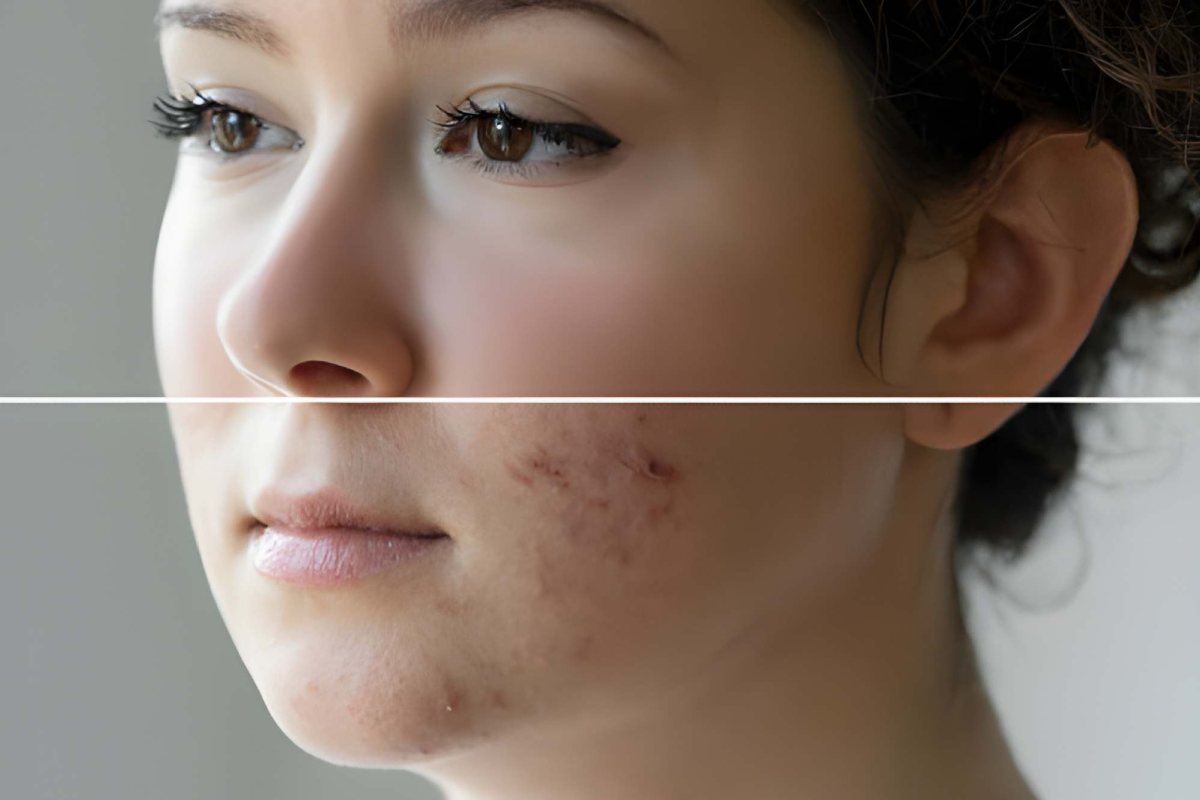
Acne scars are a common concern for many people, often leaving visible marks long after breakouts have healed. These scars can affect confidence and self-esteem, making it important to seek solutions that improve skin texture and appearance.
While traditional surgical procedures offer one approach, many individuals prefer non-invasive treatments that provide effective results with minimal downtime.
Understanding how these treatments work and what to expect can help in making informed decisions for long-lasting improvements.
Table of Contents
Exploring Acne Scars Treatment
Some acne scars treatment Singapore offers a range of non-invasive options designed to improve the skin’s appearance without the need for surgery.
These treatments focus on stimulating natural healing processes, promoting collagen production, and resurfacing damaged skin.
Common non-invasive methods include laser therapy, microneedling, chemical peels, and topical treatments.
Laser therapy uses targeted light energy to break down scar tissue and encourage new collagen growth, resulting in smoother skin over time.
Microneedling involves creating tiny punctures in the skin, which trigger the body’s repair mechanisms and improve texture.
Chemical peels exfoliate the skin’s surface, helping to reduce discoloration and shallow scars. Topical treatments with active ingredients such as retinoids or vitamin C can also complement in-clinic procedures, enhancing overall results.
Non-invasive treatments are particularly appealing because they often require minimal downtime and carry lower risk compared to surgical interventions.
They can be tailored to different scar types, whether rolling, boxcar, or icepick scars, ensuring that improvements look natural and harmonized with surrounding skin.
Benefits of Non-Invasive Acne Scar Treatments
Non-invasive treatments for acne scars offer several advantages:
- Minimal downtime: Most treatments allow patients to return to daily activities shortly after the procedure.
- Gradual improvement: Treatments stimulate natural healing, providing subtle but noticeable changes over time.
- Customizable approach: Therapies can be adapted to the severity and type of scarring for personalized care.
- Reduced risk of complications: Compared to surgery, non-invasive methods are generally safer with fewer side effects.
- Enhanced skin health: Many treatments improve overall skin quality, including tone, texture, and elasticity.
By combining different non-invasive options, dermatologists can address multiple concerns in a single treatment plan, maximizing results while maintaining a natural appearance.
Types of Non-Invasive Treatments
Several non-invasive treatments are commonly used to target acne scars:
- Laser resurfacing: Stimulates collagen production and smooths the skin’s surface.
- Microneedling: Creates controlled micro-injuries to promote healing and skin regeneration.
- Chemical peels: Removes dead skin cells and reduces discoloration.
- Topical treatments: Includes retinoids, vitamin C, and other agents that encourage skin renewal.
- Light therapy: Targets inflammation and enhances skin healing processes.
Choosing the right treatment depends on factors such as scar type, skin sensitivity, and overall health. Dermatologists often recommend combining therapies for optimal results.
When to Seek Professional Help
Even though non-invasive treatments are generally safe, it is important to consult a dermatologist in the following situations:
- Persistent or severe scarring that affects confidence or daily life
- Scars that appear inflamed, infected, or painful
- Uncertainty about which treatment is most suitable for your skin type
- History of allergic reactions or sensitivity to treatment substances
- Desire for professional guidance on combining treatments safely
Professional consultation ensures that treatment plans are tailored to individual needs, minimizing risks and enhancing effectiveness.
Achieving Clearer, Smoother Skin
Non-invasive acne scar treatments can offer noticeable improvements for many individuals. By stimulating natural healing and encouraging collagen production, these procedures help restore smoother skin and reduce the appearance of scars.
While results may take time and often require multiple sessions, the benefits are long-lasting and generally safe.
A personalized treatment plan guided by a qualified dermatologist ensures that enhancements appear natural, boosting confidence and skin health.
Commonly Asked Questions
How do non-invasive treatments compare to surgical options?
Non-invasive treatments focus on gradual improvements with minimal downtime, whereas surgical options may provide immediate, dramatic results but carry higher risk and longer recovery periods. Many patients prefer non-invasive methods for subtle, natural-looking changes.
How many sessions are typically required for noticeable results?
The number of sessions depends on scar severity, skin type, and treatment method. Generally, a series of three to six sessions spaced several weeks apart can provide visible improvements.
Are non-invasive treatments suitable for all skin types?
Most non-invasive treatments can be adapted for different skin types, but some procedures may carry risks such as hyperpigmentation in darker skin tones. A dermatologist can recommend the safest and most effective options.
Is there any downtime after treatment?
Downtime varies depending on the procedure. Treatments such as microneedling or light chemical peels may cause mild redness or irritation for a few days, while laser therapy might require a week of recovery in some cases.
Can results be maintained long-term?
Results can be maintained with proper skincare, sun protection, and occasional follow-up treatments. Consistency and professional guidance are key to sustaining improvements over time.
Next Steps
If you are considering non-invasive acne scar treatments, schedule a consultation with a qualified dermatologist to discuss your skin concerns and explore suitable options.
Personalized treatment plans tailored to your scar type, skin tone, and lifestyle can provide effective, long-lasting results while maintaining a natural appearance. With professional guidance and consistent care, smoother, clearer skin is achievable without invasive procedures.
