

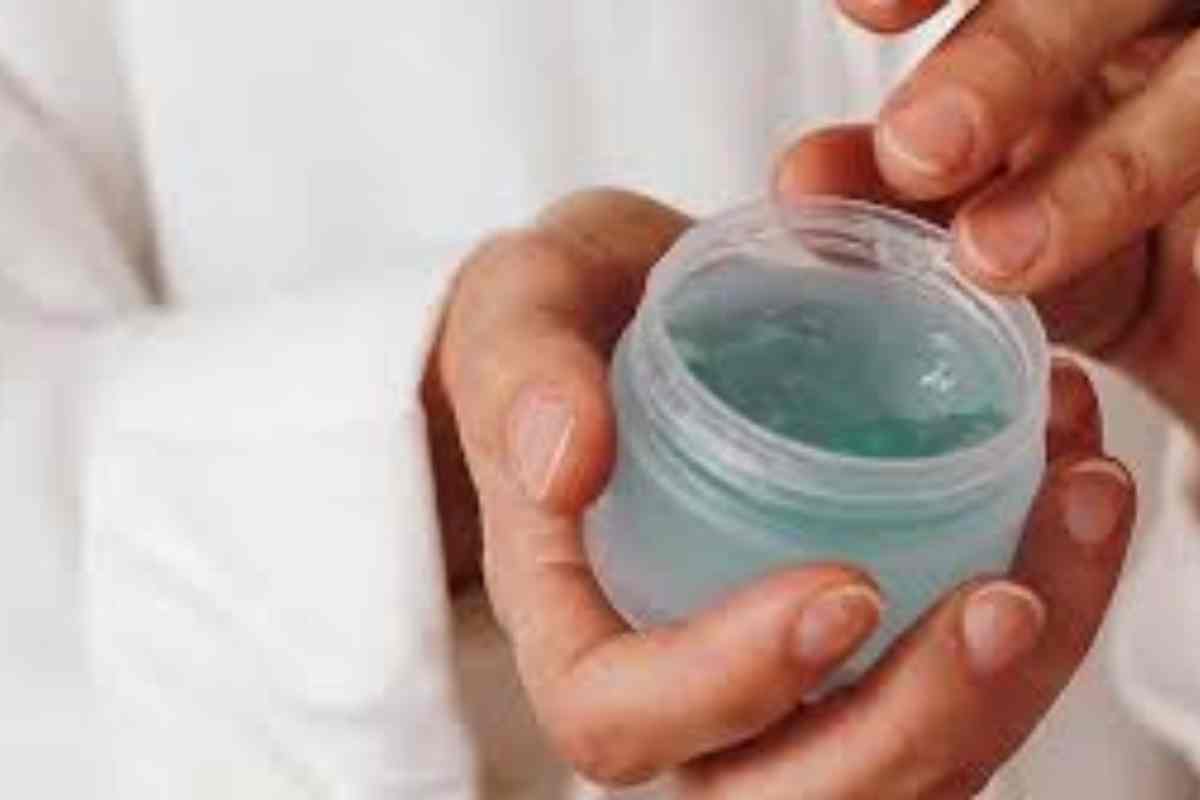
The search for best moisturizer for acne prone skin might require ethical consideration. People have the misconception that applying moisture would trigger worse acne; however, proper products can help manage oil production while supporting skin health. This post explores effective moisturization methods for individuals with acne and addresses the factors to consider when selecting products.
Table of Contents
Best moisturizer for acne-prone skin: Do you actually need one?
Short answer? Yes. Even if your skin is oily. Even if you break out.
Here’s what no one tells you early on:
When acne-prone skin doesn’t get moisture, it panics.
And when skin panics, it produces more oil.
More oil = clogged pores = more acne.
That vicious cycle kept me stuck for years.
A moisturizer isn’t about making your skin “greasy.”
It’s about keeping your skin barrier calm and balanced.
Best Moisturizer for Acne Prone Skin: How to Choose the Right One
| What to Check | Why It Matters for Acne-Prone Skin |
| Texture | Heavy creams can clog pores and trigger breakouts |
| Ingredient list | Simple formulas reduce irritation and reactions |
| Absorption speed | Faster absorption = less pore congestion |
| Non-comedogenic tag | Lower risk of blocked pores |
| Fragrance level | Strong scent often irritates acne-prone skin |
Best Moisturizer for Acne Prone Skin by Skin Type
| Skin Type | Best Moisturizer Texture | What Usually Works Best |
| Oily acne-prone | Gel | Controls shine without drying |
| Dry acne-prone | Gel-cream | Hydration + barrier support |
| Combination skin | Lotion | Balanced moisture |
| Sensitive acne-prone | Minimal cream | Less irritation, more comfort |
| Acne with active treatments | Barrier-repair cream (night) | Reduces dryness and redness |
Ingredients That Make a Moisturizer Acne-Friendly
| Ingredient | How It Helps Acne-Prone Skin |
| Niacinamide | Balances oil and calms redness |
| Hyaluronic acid | Hydrates without heaviness |
| Glycerin | Prevents dehydration |
| Ceramides | Repairs damaged skin barrier |
| Panthenol | Soothes irritated skin |
My biggest moisturizer mistake (and maybe yours too)
I used to chase the lightest, cheapest, strongest “oil-free” product I could find. If it stung a little, I thought it was “working.”
Spoiler: it wasn’t.
What actually happened:
- My skin felt tight after washing
- I got shiny within an hour
- Breakouts showed up in clusters
- Every new product felt risky
That’s when I realized: acne-prone skin doesn’t need punishment — it needs support.
What acne-prone skin actually wants
Let’s strip this down.
Your skin wants:
- Water (hydration)
- Protection (barrier support)
- Zero pore-clogging drama
That’s it.
The best moisturizer for acne prone skin does three things:
- Hydrates without oil overload
- Strengthens the skin barrier
- Doesn’t interfere with acne treatments
How I judge a moisturizer now (my real checklist)
I don’t care about hype anymore. I care about how my skin behaves after 2–3 weeks.
Here’s what I look for:
- Texture matters more than price
- Gel
- Gel-cream
- Lotion (not thick cream)
If it feels heavy on first touch, I skip it.
- Non-comedogenic (but don’t obsess)
This just means it’s less likely to clog pores — not magic, but helpful.
- No strong fragrance
If I can smell it clearly, my acne usually can too.
- Plays nice with actives
If you use:
- Salicylic acid
- Benzoyl peroxide
- Retinoids
Your moisturizer should calm, not compete.
Ingredients I trust for acne-prone skin
No ingredient worship here — just patterns I’ve noticed over time.
Ingredients that usually work well
- Niacinamide – helps oil balance + redness
- Glycerin – simple, underrated hydration
- Hyaluronic acid – hydration without heaviness
- Ceramides – barrier repair (huge for acne recovery)
- Panthenol – soothing, especially if you use actives
Ingredients I’m careful with
(Not bad — just skin-dependent)
- Heavy oils
- Shea butter (great for dry skin, risky for acne)
- Strong essential oils
Best moisturizer for acne-prone skin by skin type
Because acne doesn’t look the same on everyone.
Oily + acne-prone skin
You’ll do best with:
- Gel moisturizers
- Oil-free formulas
- Fast-absorbing textures
Look for hydration, not richness.
Dry + acne-prone skin
This combo is sneaky.
You need:
- Gel-cream textures
- Ceramides + humectants
- Barrier-repair focus
Dryness can trigger breakouts just as much as oil.
Sensitive acne-prone skin
Keep it boring (seriously):
- Minimal ingredients
- No fragrance
- No “cooling” sensations
Calm skin breaks out less.
Why skipping moisturizer made my acne worse
This part took me years to accept.
When I skipped moisturizer:
- My skin overproduced oil
- Acne treatments felt harsher
- Healing took longer
- Old acne marks stayed forever
Once I added the right moisturizer:
- Oil reduced naturally
- Fewer sudden breakouts
- Active treatments worked betters
- Skin looked smoother overall
Not overnight. But consistently.
How I apply moisturizer (this matters more than you think)
Same product, different result — just from application.
What works for me:
- Apply on slightly damp skin
- Use a pea to coin-sized amount
- Press, don’t rub aggressively
- Wait 1–2 minutes before sunscreen
At night, I use a touch more if I’m using actives.
Common myths about moisturizers and acne
Let’s clear these up.
“Moisturizers cause acne.”
No. Wrong moisturizers do.
“Oily skin doesn’t need hydration.”
Oily skin is often dehydrated skin in disguise.
“If it tingles, it’s working.”
Nope. Tingling is irritation, not progress.
Internal links you can naturally add
To strengthen your article and help readers:
- Link to your guide on salicylic acid face wash for acne
- Link to tea tree oil face wash for acne-prone skin
- Link to how to repair skin barrier after acne
- Link to best sunscreen for acne-prone skin
These flow naturally and build topical authority.
My real-life moisturizer rotation (no brand pushing)
I rotate based on:
- Weather
- Breakouts
- Active treatments
Some days I need ultra-light hydration.
Some days my skin wants barrier repair.
There is no single “forever” moisturizer — and that’s normal.
How long before you see results?
Be honest with yourself:
- 3–5 days → hydration feel
- 2 weeks → oil balance improvement
- 4–6 weeks → acne stability
If a moisturizer causes breakouts within a week, listen to your skin.
When a moisturizer isn’t enough
A moisturizer helps, but it won’t:
- Cure hormonal acne
- Replace acne treatment
- Fix diet or stress issues
Think of it as support, not a miracle.
Final thoughts Best moisturizer for acne prone skin
The best moisturizer to use on the acne-prone skin is not about trends and fancy packaging. It has to do with making decisions that work in silence and do not make your skin jump out of your chest. I was able to control acne not perfectly, but predictably, as soon as I ceased to fight my skin and began supporting it. And honestly? That’s freedom.
