

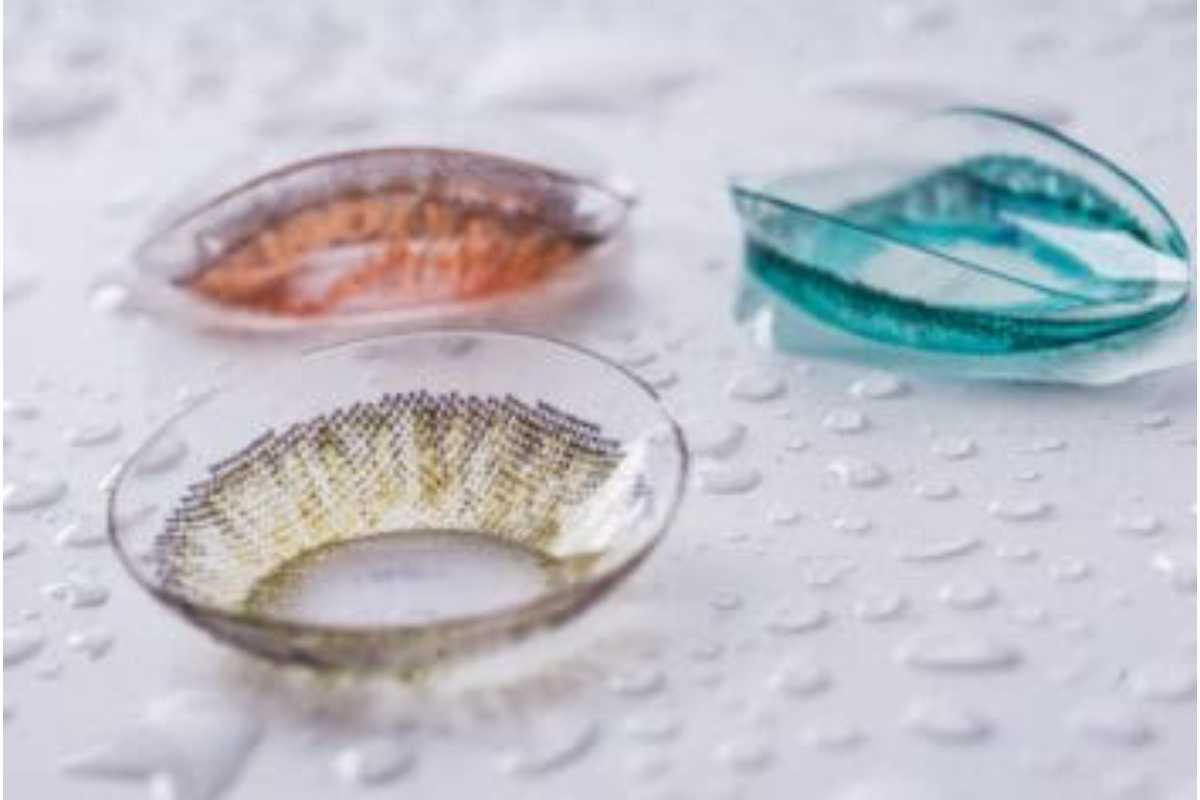
Colored Contact Lenses have made it one of the simplest means of making a change in a look without making any permanent modification. Others wear them to become matching with their natural eye color whereas others use it to make it look bold, dramatic, or totally different. However, this is not about everyday elegance, a significant event, cosplay, or fashion, colored contacts can make a difference.
Contact lenses that are colored are not only a fashion accessory. They also are medical tools that directly attach on the eye implying that comfort, safety, cleanliness and fitting suitably are equally important as the appearance. The selection of the pair is not only about what color may appear the best under the mirror. It is also concerned with the feel of the lens, whether the lens fits well with your natural eye and whether the lens is safe to use on a regular basis.
Table of Contents
What Are Colored Contact Lenses?
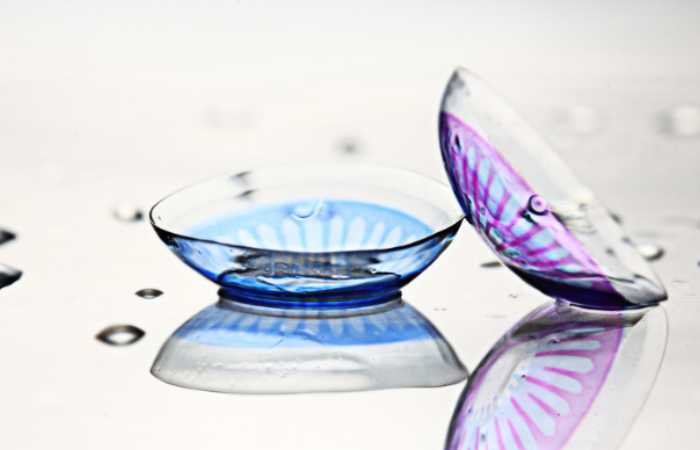 Colored contact lenses are those designed lenses but they alter or modify the look of the eyes. They are inserted directly on the cornea and are used like conventional contact lenses. Their distinction is that they have tint or pigment designs that influence the way the iris appears.
There are subtle enhancement lenses that allow a person to appear like they have warmer eyes, or appear to have lighter green eyes. Others are done for more dramatic transformations, such as turning dark eyes into icy blue, hazel, or violet, or for dramatic colouring as per the costume it will be used on.
These lenses can be applied either on cosmetic basis or correctional basis or even both. It implies that an individual has an option of using colored lenses that will also correct the nearsightedness, farsightedness, or astigmatism.
Why Do People Wear Colored Contact Lenses?
People choose colored contact lenses for many different reasons. For some, it is about fashion. For others, it is about confidence or creativity.
Here are the most common reasons:
- To enhance natural eye color
- To completely change eye color
- To match makeup, outfits, or fashion styling
- To create a special look for events, parties, or photoshoots
- To use in theater, film, cosplay, or performance
- To combine beauty with vision correction
The appeal is simple: colored lenses allow a person to change their appearance in a very noticeable but reversible way. They can be subtle enough for daily wear or bold enough to make a statement.
Types of Colored Contact Lenses
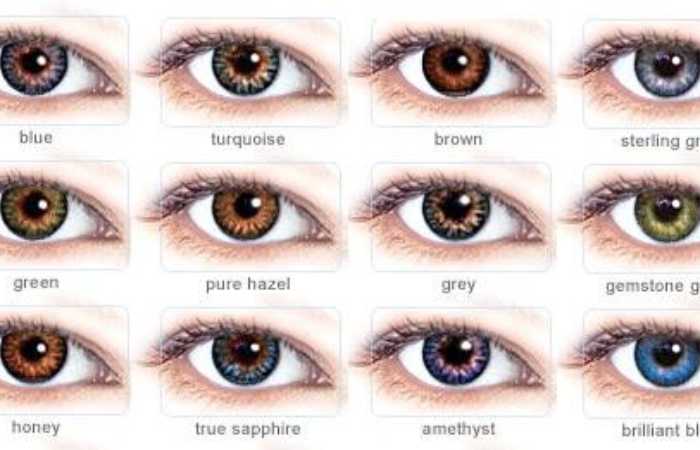
Not all colored contact lenses are the same. The type you choose will affect the final look, comfort, and purpose.
Enhancement Tint Lenses
They are tinted slightly and they are aimed to enhance the natural color of the light eyes. They tend not to cause the most drastic changes to dark eyes, but they may deepen the color of the iris, and make it smarter or sharper.
Opaque Tint Lenses
Colored tinted lenses are designed to alter eye color totally even in people who have naturally dark eyes. A common pigment pattern of these lenses is solid and offers the most impressive change.
Visibility Tint Lenses
These are pale colored lenses and are primarily aimed at making the users see them more readily as they use. They do not make lasting changes to the eye color and are not primarily utilized on cosmetic purposes.
Costume or Theater Lenses
These are Halloween, cosplay, film and dramatic special-effect lenses. They are able to make out odd eye effects such as cat eye, White-out, red colored eyes or fantasy.
Prescription Colored Lenses.
These lenses have an integration of vision correction and color. They are the most common with individuals who require to have a cosmetic appeal and also support eyesight.
Comparison Table: Different Types of Colored Contact Lenses
| Type of Lens | Main Purpose | Best For | Look Result | Comfort Level | Common Use |
| Enhancement Tint | Boost natural eye color | Light eyes | Subtle and natural | Usually comfortable | Daily wear, casual use |
| Opaque Tint | Fully change eye color | Dark or light eyes | Noticeable and bold | Depends on material | Fashion, events, photography |
| Visibility Tint | Easier handling | Any user | Minimal cosmetic effect | High | Handling and storage |
| Costume/Theater | Special effects | Cosplay, stage, Halloween | Dramatic and unusual | Varies by design | Performance and parties |
| Prescription Colored | Vision correction + color | People needing lenses for eyesight | Natural to dramatic | Good with proper fit | Everyday use |
This table shows that the best lens is not always the most colorful one. The right lens depends on whether the goal is subtle beauty, full transformation, or special effects.
How Colored Contact Lenses Change the Eyes
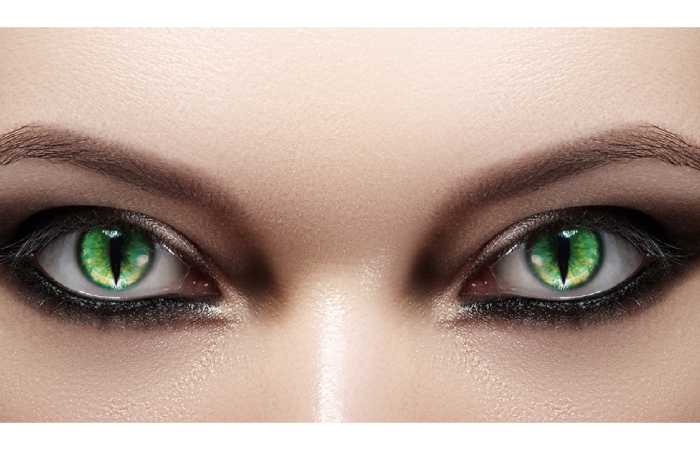
Colored lenses are achieved by placing the layers of pigment and material through which the lenses are made in a manner that distorts the part that is visible on the eye. The iris can also be seen through the lens through the central opening, and the surrounding pigments vary the color of the iris, which can be viewed.
In the case of light eyes, it can be seen that the enhancement tints will produce a more sophisticated look when darker. In darker eyes opaque tints are normally required to bring about a distinct difference. This is the reason why that lens may appear very beautiful on an individual but may appear very different on another individual. https://www.contactlenses4us.com/coloured-contact-lenses/
Choosing the Right Shade for Your Eyes
The best colored contact lens shade depends on your natural eye color, skin tone, and the look you want to create.
For Brown Eyes
Opaque shades usually work best. Honey, gray, hazel, green, and blue can all look striking. Dark brown eyes often need richer pigment for a noticeable transformation.
For Hazel Eyes
Hazel eyes are versatile because they already contain multiple tones. Green, amber, and deep brown shades can enhance the natural mixture, while blue or gray can create a stronger contrast.
For Blue Eyes
Enhancement tints can make blue eyes look brighter and more defined. Gray, violet, and deeper blue shades can add dimension without looking too harsh.
For Green Eyes
Green eyes often look beautiful with subtle enhancement or richer hazel tones. Warm brown, olive, or gray lenses can create an elegant finish.
For Fair Skin Tones
Cool colors such as gray, blue, lavender, and icy green often create a soft, polished result. Warm hazel and honey tones can also give a gentle glow.
For Medium and Deep Skin Tones
Warm shades like honey, caramel, deep green, and rich brown can look natural and flattering. Bold colors like gray or blue can stand out beautifully when styled well.
Comparison Table: Lens Colors by Visual Effect
| Lens Color | Overall Look | Best On | Style Effect |
| Blue | Fresh and bright | Brown or hazel eyes | Cool, noticeable change |
| Green | Natural yet striking | Dark eyes and hazel eyes | Soft but eye-catching |
| Gray | Modern and elegant | Light and medium eyes | Sophisticated, fashion-forward |
| Hazel | Warm and balanced | Most eye colors | Natural enhancement |
| Honey | Soft and warm | Brown eyes | Gentle brightening |
| Violet | Trendy and bold | Light or dark eyes | Creative and dramatic |
| Brown | Natural and deep | Light eyes | Subtle, realistic finish |
The most flattering shade is not always the most dramatic one. Often, the best result is the one that feels believable and complements the person’s face rather than overpowering it.
Benefits of Colored Contact Lenses
Colored lenses offer several advantages beyond appearance.
1. Instant Transformation
They can change a look in seconds without makeup or permanent treatment.
2. Versatility
They are suitable for casual wear, photography, fashion styling, and special events.
3. Vision Correction Options
Prescription versions provide both cosmetic and functional benefits.
4. Confidence Boost
Many people feel more stylish, expressive, or polished when wearing them.
5. Creative Freedom
They allow experimentation with different looks without committing to one change.
Things to Consider Before Buying Colored Contact Lenses
It is easy to focus only on the color, but several other details matter just as much.
Lens Material
The material affects comfort, oxygen flow, and how long the lens can be worn.
Wear Schedule
Some lenses are daily disposable, while others are reusable. Daily lenses are often more convenient, while reusable lenses may be more cost-effective over time.
Prescription Needs
If vision correction is required, the lenses must match the proper prescription.
Eye Shape and Size
A proper fit helps prevent discomfort, movement, dryness, and irritation.
Natural Eye Color
Darker eyes often need opaque tints for visible results.
Occasion
A subtle shade may be ideal for office or daily use, while a dramatic lens may be better for a party or costume.
Safety Tips for Wearing Colored Contact Lenses
Because colored lenses touch the eye directly, safety should always come first. Even the most beautiful pair can become a problem if it is worn incorrectly.
Do not share lenses
Contact lenses should never be shared with anyone else.
Wash hands before handling
Clean hands reduce the risk of eye infection.
Follow the wearing schedule
Do not wear lenses longer than recommended by the manufacturer or eye care professional.
Use proper lens solution
Never store lenses in water, saliva, or any liquid that is not meant for contacts.
Replace lenses on time
Worn-out lenses can become uncomfortable and unsafe.
Stop wearing if irritation appears
Redness, pain, blurred vision, or discharge should not be ignored.
Buy from trusted sources
Poor-quality cosmetic lenses may not fit well or may damage the eyes.
Comparison Table: Safe vs Unsafe Lens Habits
| Safe Habit | Unsafe Habit | Why It Matters |
| Washing hands before handling | Touching lenses with dirty hands | Prevents infection |
| Using fresh lens solution | Reusing old solution | Keeps lenses clean |
| Following wear time | Sleeping in lenses without approval | Reduces eye stress |
| Replacing on schedule | Using expired lenses | Avoids damage and contamination |
| Visiting an eye professional | Buying without proper guidance | Improves fit and safety |
Simple habits make a major difference when it comes to eye health.
Colored Contact Lenses for Daily Wear vs Special Occasions
Not every lens is meant for daily use. Some are designed to be worn for a few hours, while others can be part of a regular routine.
Daily Wear Lenses
These are usually subtle, comfortable, and easier to style with everyday outfits. They work well for office settings, social outings, and routine use.
Occasion Lenses
These may be bolder, brighter, or more dramatic. They are ideal for photoshoots, weddings, costume parties, festivals, or stage performance.
What to Choose?
If the goal is practicality and comfort, a natural-looking daily lens is usually better. If the goal is impact and visual drama, special-occasion lenses may be more suitable.
How to Make Colored Contact Lenses Look Natural
A colored lens should not always look artificial. In fact, many people want a result that feels seamless and elegant.
Here are a few ways to make them look more natural:
- Choose a shade close to your undertone
- Pick lenses with soft limbal rings for definition
- Pair the lenses with matching makeup shades
- Keep the rest of the face balanced and not overly dramatic
- Wear colors that complement clothing and lighting
For example, a brown or hazel lens can create a natural enhancement for everyday wear, while a very bright blue lens may look better with polished makeup and styled hair.
Common Mistakes to Avoid
Many first-time users make simple mistakes that affect comfort and appearance.
Buying only by color
A shade may look beautiful in a photo but appear very different on your eyes.
Ignoring fit
A lens that does not fit properly can feel dry or move around too much.
Overwearing lenses
Even decorative lenses need proper care and resting time.
Skipping professional advice
An eye check is important, especially if the lenses are for prescription use.
Not checking product details
Always review material, wearing schedule, and expiry date.
Comparison Table: Natural Look vs Dramatic Look
| Feature | Natural Look | Dramatic Look |
| Best Lens Type | Enhancement or soft opaque tint | Opaque or costume lenses |
| Color Choice | Brown, hazel, gray, soft green | Bright blue, violet, white, red |
| Makeup Style | Minimal, balanced | Bold, defined, high-contrast |
| Occasion | Daily wear, work, casual outings | Parties, cosplay, photoshoots |
| Overall Impression | Subtle and elegant | Strong and attention-grabbing |
Both styles have their place. The right choice depends on whether the wearer wants quiet enhancement or a more noticeable transformation.
Are Colored Contact Lenses Comfortable?
Comfort depends on many factors, including the lens material, fit, moisture retention, and how long they are worn. A good pair should feel smooth and barely noticeable when inserted correctly.
Some people find colored lenses just as comfortable as clear contacts. Others may notice slight differences because of the pigment layer. That is why fit and quality matter so much.
Dry eyes, long wear time, and poor lens care can reduce comfort. Using the right solution and taking breaks when needed can help.
Who Should Avoid Wearing Colored Contact Lenses Without Advice?
Anyone with existing eye problems, frequent dryness, allergies, or a history of irritation should be extra careful. People who have never worn contact lenses before should ideally get guidance from an eye care professional.
This is especially important for:
- People with sensitive eyes
- Contact lens beginners
- Those needing prescription correction
- Anyone planning to wear lenses for long periods
- Users trying costume lenses for the first time
Final Thoughts
Colored contact lenses are not just a fashion stature. They are versatile tool of style that are able to produce a fine improvement, radical change, or practical vision restoration. The correct shade, good fit and having proper cleanliness makes them a secure and a thrilling addition to a style collection.