


Acne can be an irritating issue, and not just on your face. You will find it can impact your confidence too. So many of us will continue to seek out an affordable, gentle, and all-natural option to help combat clearer skin, and the one you might encounter repeatedly is green tea.
Not a cure, but green tea is well and truly incorporated into a skincare routine for good reason. A complex mix of antioxidants, soothers, and anti-inflammatories could help soothe a breakout and heal the skin over time. Best of all? The all-round natural power is able to be used as part of both your tea and skincare regimen, and can be the perfect ingredient to be added to a simple acne routine.
This article will cover what green tea is, why it is believed to be useful for acne-prone skin, how to use it, and what factors should be considered when you are considering using it.
Table of Contents
What Is Green Tea?

Green tea is derived from the Camellia sinensis plant and only goes through little processing; by leaving the plant unchanged in this way, many of the active ingredients found within the tea are kept intact; the active ingredients (polyphenols, EGCG-epigallocatechin gallate) are strong within the tea.
The active ingredients within the plant have made green tea extremely popular within the health and skincare industry with benefits as; the potential to reduce oiliness, control redness, and combat effects from pollution, sun, and inflammation.
In essence green tea is a plant derived ingredient, useful for soothing skin in light doses and has proven beneficial, particularly to those with oily, inflamed acne prone and sensitive skin.
Why Green Tea May Help with Acne
Acne usually develops when pores get clogged with oil, dead skin cells, and bacteria. Hormones, stress, and inflammation can make it worse. Green tea may help with some of these triggers.
1. It may reduce inflammation
Inflamed acne often looks red, swollen, and painful. Green tea contains anti-inflammatory compounds that may help calm this kind of breakout.
2. It may help control excess oil
Oily skin can make acne worse because extra sebum can clog pores. Some studies suggest green tea may help reduce sebum production, which can lead to a less greasy skin surface.
3. It may fight acne-causing bacteria
Green tea has natural antioxidant and antimicrobial properties. This means it may help create a less friendly environment for bacteria that contribute to breakouts.
4. It may support skin healing
Because green tea is rich in antioxidants, it may help protect skin from oxidative stress and support a healthier skin barrier. A stronger barrier often means skin that is less reactive and more balanced.
5. It may soothe irritated skin
If your acne treatments make your skin dry or sensitive, green tea can be a gentler addition compared with many harsh products.
Green Tea for Acne: Key Benefits at a Glance
| Benefit | How It Helps Acne-Prone Skin |
| Anti-inflammatory action | Helps reduce redness, swelling, and irritation |
| Sebum control | May help lower excess oil on the skin |
| Antioxidant support | Protects skin from environmental damage |
| Mild antimicrobial effect | May help reduce acne-related bacteria |
| Soothing effect | Can calm sensitive or irritated skin |
| Easy to use | Can be consumed as tea or applied topically |
Green Tea vs Other Popular Acne Remedies
Here is a simple comparison so you can see where green tea fits among common acne-care options.
| Ingredient/Remedy | Main Strength | Best For | Possible Drawback |
| Green tea | Gentle anti-inflammatory and antioxidant support | Mild to moderate acne, oily skin, sensitive skin | Results may be gradual |
| Salicylic acid | Deep pore cleansing | Blackheads, whiteheads, clogged pores | May dry or irritate skin |
| Benzoyl peroxide | Kills acne-causing bacteria | Inflamed acne, active pimples | Can bleach fabric and cause dryness |
| Tea tree oil | Natural antibacterial support | Spot treatment for breakouts | Can irritate if not diluted |
| Niacinamide | Oil control and barrier support | Oily, acne-prone, sensitive skin | May take time to show results |
| Aloe vera | Soothing and healing | Red, irritated, or inflamed skin | Not always enough for active acne |
Green tea is best seen as a supportive ingredient, not a replacement for medically proven acne treatments when those are needed.
How to Use Green Tea for Acne
There are several ways to use green tea in your routine. The best choice depends on your skin type and how much time you want to spend. https://www.healthline.com/nutrition/green-tea-for-acne
1. Drink green tea regularly

Drinking green tea may support your skin from the inside by helping reduce inflammation and oxidative stress.
How to do it:
- Brew 1 cup using a green tea bag or loose leaves
- Drink it plain or with a little honey if needed
- Aim for 1 to 3 cups a day
This is the easiest method, but it will not work overnight. Think of it as part of a healthy routine.
2. Apply cooled green tea as a toner
This is one of the most popular topical uses.
How to do it:
- Brew green tea and let it cool completely
- Use a cotton pad or spray bottle to apply it to clean skin
- Leave it on for a few minutes or let it air dry
- Follow with a lightweight moisturizer
This method may help soothe redness and reduce excess oil.
3. Use green tea as a face mist
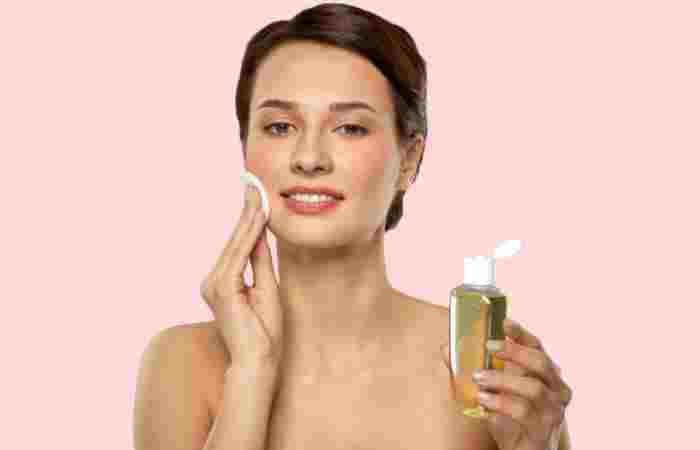
A face mist is a simple way to refresh oily or irritated skin during the day.
How to do it:
- Brew fresh green tea
- Let it cool
- Pour it into a clean spray bottle
- Store it in the refrigerator and use it within a short time
This is especially nice for skin that feels inflamed or overheated.
4. Try a green tea face mask
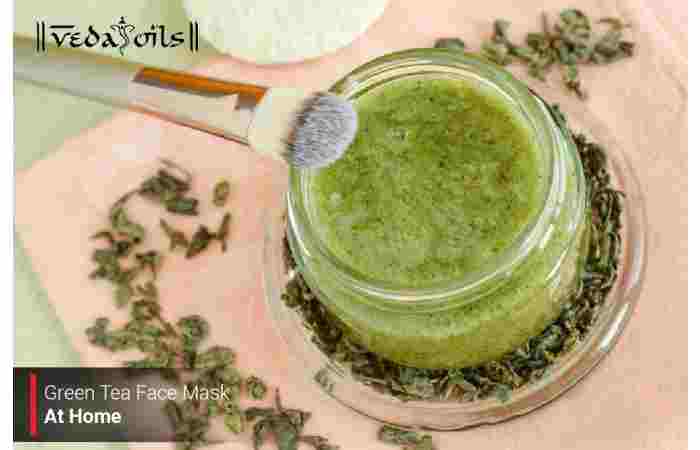
A homemade mask can give your skin a short treatment session.
Simple green tea mask idea:
- 1 cooled green tea bag or 1 teaspoon brewed green tea leaves
- 1 tablespoon aloe vera gel
- Mix into a smooth paste or gel
- Apply for 10 to 15 minutes
- Rinse gently with lukewarm water
This may feel calming on irritated acne-prone skin.
Best Ways to Add Green Tea to Your Acne Routine
| Method | Frequency | Best Time | Skin Type Suitability |
| Drinking green tea | Daily | Morning or afternoon | Most skin types |
| Green tea toner | 3 to 5 times a week | After cleansing | Oily, combination, sensitive |
| Green tea face mist | As needed | During the day | Oily, irritated skin |
| Green tea mask | 1 to 2 times a week | Evening | Acne-prone and sensitive skin |
A Simple Green Tea Acne Routine
If you want a routine that feels easy and realistic, try this:
Morning
- Cleanse with a gentle face wash
- Apply cooled green tea toner
- Use a light, non-comedogenic moisturizer
- Finish with sunscreen
Evening
- Remove makeup and cleanse skin
- Apply green tea toner or mist
- Use your acne treatment if prescribed or recommended
- Apply moisturizer
During the day
- Drink 1 to 2 cups of green tea
- Avoid touching your face too often
- Keep pillowcases and towels clean
This routine is simple, but consistency matters more than using too many products.
Who Can Benefit Most from Green Tea?
Green tea is likely to be most beneficial for:
- Those with oily skin
- Those with mild acne
- Those with red, inflamed acne lesions
- Sensitive skin types who find harsh acne products too much for them
- Anyone looking for a supportive natural ingredient.
For severe cystic acne, hormone-based acne which needs dedicated treatment, or if your breakouts are due to more systemic issues, its effect might be more subtle. Green tea will likely still provide benefits to your skin, but may not completely combat these acne types on its own.
Things to Keep in Mind
Although it is safe, not everybody responds the same to Green Tea.
- Carry out a patch test before applying all over your face
- Use it brewed, cooled tea, not hot!
- Do not keep the mixtures you have made around for a long time.
- Do not over-apply it particularly if your skin is already sensitive to certain things.
- Be sure that it won’t conflict with whatever treatment regimen you are currently following.
And one must remember that a good combination of excellent skincare, positive lifestyle habits and the appropriate treatment plan (when required) is normally what has the best results on acne.
Possible Side Effects or Limitations
Green tea is usually well tolerated, but a few people may experience:
- Mild irritation
- Dryness if used too often
- Sensitivity to added ingredients in homemade masks
- Staining if very concentrated tea is used on fabrics or light towels
Another thing to consider is if you’re sensitive to caffeine, which a lot of people are. Too much caffeine can at times interfere with sleep, and bad sleep can make the skin condition worse.
Final Thoughts
So overall, green tea seems like something that is quite plain yet has a lot to offer. It’s relaxing, widely available, packed with a handful of skin-boosting components, and can possibly reduce inflammation and the oiliness associated with acne. It won’t be an overnight solution to acne, but it may be a sensible and gentle addition to a skin care regimen.