

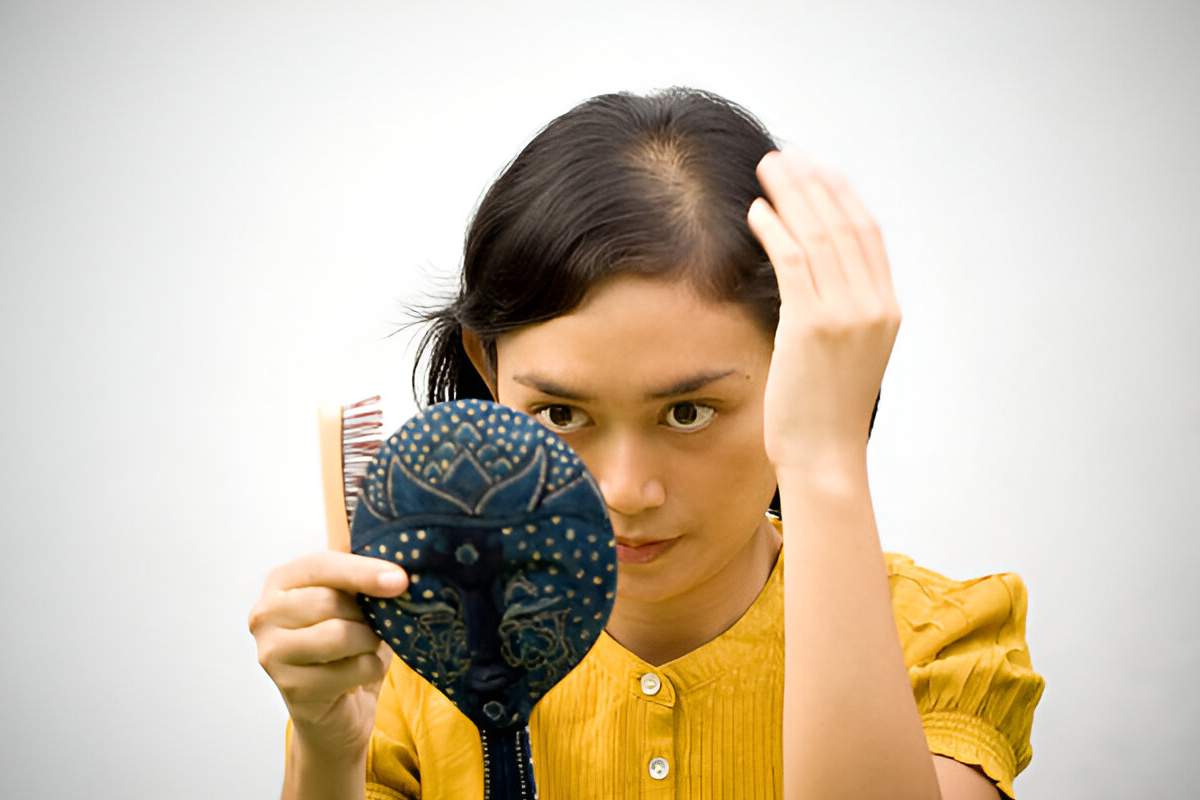
Hair loss is among the most common beauty and health issues among men and women. Although it is quite normal that people lose 50-100 strands of hair per day, visible thinness, those part lines, bald spots may indicate something about a problem.
Hair can be affected by hormones and stress factors, nutrition, medical conditions and lifestyle practices. The main point of selecting the appropriate treatment is to know the cause.
It is a detailed manual, covering the actual causes of hair loss, scientifically proven remedies, and solutions to males and females. It further charts every reason to its best solution as the readers know what actually works.
Table of Contents
Understanding Hair Growth Before Hair Loss
Before discussing hair loss, it helps to understand how hair grows.
Hair grows in a cycle of three phases:
| Hair Growth Phase | Duration | What Happens |
| Anagen (Growth Phase) | 2–7 years | Hair actively grows from the follicle |
| Catagen (Transition Phase) | 2–3 weeks | Hair growth slows and follicle shrinks |
| Telogen (Resting Phase) | 3–4 months | Hair falls out and new hair replaces it |
Normally, 85–90% of hair is in the growth phase, while the rest is in resting or shedding stages. Hair loss occurs when this cycle is disrupted.
Common Types of Hair Loss
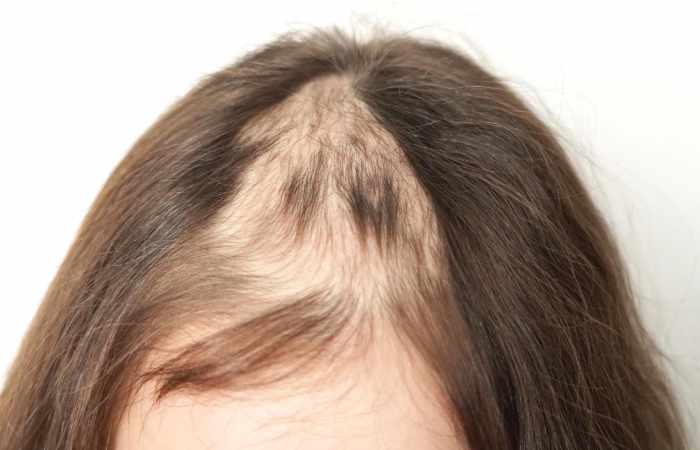
Hair loss appears in several forms, depending on its cause.
| Type of Hair Loss | Description | Affects |
| Androgenetic Alopecia | Pattern baldness due to genetics and hormones | Men & women |
| Telogen Effluvium | Sudden hair shedding due to stress or illness | Both |
| Alopecia Areata | Autoimmune hair loss causing patches | Both |
| Traction Alopecia | Hair loss from tight hairstyles | Mostly women |
| Nutritional Hair Loss | Caused by vitamin or mineral deficiency | Both |
Each type has different triggers and treatments, which is why identifying the root cause is essential.
Major Causes of Hair Loss
Genetic Hair Loss (Androgenetic Alopecia)
Genetic is the most common cause of baldness worldwide. It occurs due to sensitivity to DHT (dihydrotestosterone), a hormone derived from testosterone.
Over time, DHT shrinks hair follicles, causing hair to grow thinner until it eventually stops growing.
Symptoms
- Receding hairline in men
- Thinning crown area
- Widening hair part in women
- Gradual hair miniaturization
Best Treatments
| Treatment | Effectiveness | Notes |
| Minoxidil | High | Stimulates follicles and increases hair growth |
| Finasteride | Very high (men) | Reduces DHT hormone |
| PRP Therapy | Moderate to high | Stimulates follicle regeneration |
| Hair Transplant | Permanent solution | For advanced hair loss |
Stress and Telogen Effluvium
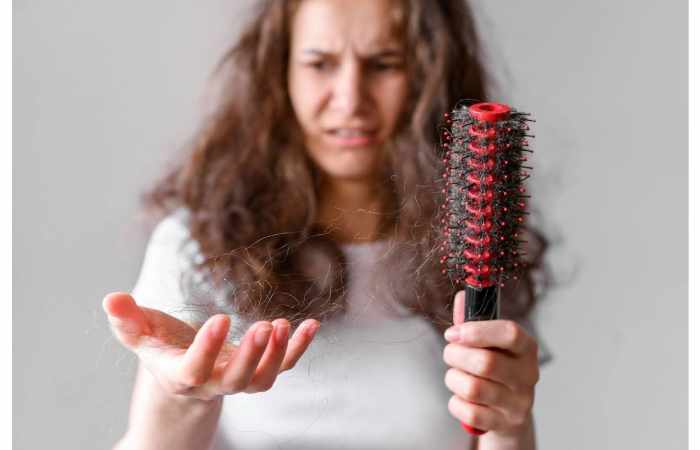
Severe physical or emotional stress can push hair follicles into the resting phase, causing sudden shedding.
This condition is called Telogen Effluvium.
Common Triggers
- Illness or surgery
- High fever
- Rapid weight loss
- Emotional stress
- COVID infection
- Childbirth
Treatment Options
| Treatment | Benefit |
| Stress management | Restores hair cycle |
| Balanced diet | Provides nutrients for regrowth |
| Iron supplementation | If deficiency present |
| Minoxidil | Speeds recovery |
Most cases recover within 3–6 months after the trigger resolves.
Nutritional Deficiencies
Hair is primarily made of keratin protein, which means nutrition directly affects hair growth.
Deficiencies in key nutrients often cause diffuse thinning and excessive shedding.
Important Nutrients for Hair
| Nutrient | Role in Hair Health | Food Sources |
| Iron | Supports oxygen supply to follicles | Spinach, lentils |
| Biotin | Strengthens hair structure | Eggs, nuts |
| Zinc | Repairs hair tissue | Pumpkin seeds |
| Vitamin D | Supports follicle growth | Sunlight, mushrooms |
| Protein | Hair building material | Eggs, fish, beans |
Treatment
- Correct nutritional deficiencies
- Improve protein intake
- Consider supplements if advised by a doctor
Hair regrowth usually begins within 3–4 months after correcting the deficiency.
Hormonal Changes
Hormones play a crucial role in hair growth. Hormonal imbalance often causes hair thinning in women.
Common hormonal causes include:
- PCOS (Polycystic Ovary Syndrome)
- Pregnancy or postpartum changes
- Thyroid disorders
- Menopause
Signs
- Hair thinning at crown
- Irregular periods
- Weight gain
- Acne
Treatment Options
| Treatment | Purpose |
| Hormone therapy | Balances hormone levels |
| Anti-androgen medication | Reduces DHT |
| Lifestyle changes | Improves hormonal balance |
Autoimmune Hair Loss (Alopecia Areata)
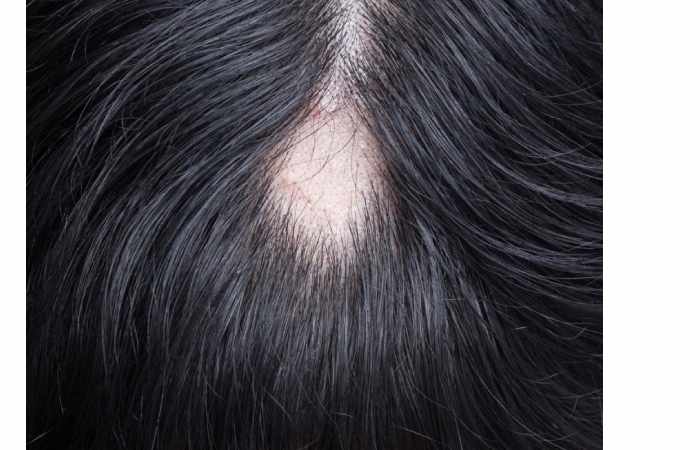
Alopecia areata occurs when the immune system mistakenly attacks hair follicles.
This leads to round bald patches on the scalp or beard.
Symptoms
- Smooth bald patches
- Sudden hair loss
- Hair loss in eyebrows or beard
Treatments
| Treatment | How It Helps |
| Corticosteroid injections | Suppress immune attack |
| Immunotherapy | Stimulates regrowth |
| Minoxidil | Promotes hair growth |
Many patients experience partial or full regrowth within months.
Mapping Hair Loss Causes to Solutions
This table summarizes the best treatment based on the cause.
| Cause | Symptoms | Best Treatment |
| Genetics | Receding hairline, crown thinning | Minoxidil, Finasteride, transplant |
| Stress | Sudden hair shedding | Stress reduction, nutrition |
| Nutritional deficiency | Diffuse thinning | Supplements, improved diet |
| Hormonal imbalance | Crown thinning in women | Hormone therapy |
| Autoimmune disease | Patchy hair loss | Steroid injections |
Nutrition & supplements — evidence-based guidance
There’s no magic pill for genetic, but some nutrients matter when deficient:
- Iron (ferritin) — low levels correlate with shedding in some people.
- Vitamin D — low levels found in some patients; supplementation when deficient may help.
- Biotin — only useful if you’re deficient; high-dose biotin can interfere with lab tests.
- Protein intake — very low protein intake can worsen hair shedding.
Don’t start high-dose supplements without testing — they’re not harmless, and unnecessary supplements are wasteful.
Medical Treatments That Actually Work
1. Minoxidil
Minoxidil is one of the most widely used hair loss treatments.
Mayo Clinic – Minoxidil for Hair Loss
Benefits include:
- Stimulates hair follicles
- Extends hair growth phase
- Improves hair thickness
Results usually appear within 3–6 months.
2. Finasteride
Finasteride blocks the hormone DHT, which causes hair follicle shrinkage.
Benefits
- Slows male pattern baldness
- Encourages hair regrowth
- Maintains existing hair
It is generally recommended only for men.
3. PRP Therapy (Platelet-Rich Plasma)
PRP therapy involves injecting growth factors from your blood into the scalp.
Benefits include:
- Stimulates hair follicles
- Improves hair thickness
- Reduces hair shedding
Several sessions are usually required.
4. Hair Transplant Surgery
Hair transplant is a permanent solution for advanced hair loss.
Two main techniques are used:
| Technique | Description |
| FUT | Strip of scalp removed and transplanted |
| FUE | Individual hair follicles transplanted |
Modern transplants produce natural-looking results when performed by experienced surgeons.
Natural Remedies That Support Hair Growth
While medical treatments are most effective, some natural remedies support scalp health.
Popular Natural Remedies
| Remedy | Benefit |
| Coconut oil | Moisturizes hair shaft |
| Onion juice | May improve circulation |
| Aloe vera | Soothes scalp inflammation |
| Rosemary oil | May stimulate hair growth |
Choosing the Right Treatment
Different types of hair loss respond to different treatments.
| Hair Loss Type | Best Treatment |
| Male pattern baldness | Finasteride + Minoxidil |
| Female pattern hair loss | Minoxidil |
| Stress-related shedding | Nutrition + stress control |
| Patchy autoimmune hair loss | Steroid therapy |
| Advanced baldness | Hair transplant |
Combining treatments often produces better results than using a single approach.
Daily Habits That Prevent Hair Loss
Simple lifestyle habits can significantly improve hair health.
Healthy Hair Routine
- Avoid tight hairstyles
- Reduce heat styling
- Use mild shampoos
- Massage scalp regularly
- Eat a balanced diet
- Manage stress levels
Consistency with these habits helps maintain stronger and healthier hair over time.
When to See a Doctor
Consult a doctor if you notice:
- Sudden hair shedding
- Bald patches
- With itching or redness
- Rapid thinning within months
Early diagnosis often improves treatment outcomes.
FAQs
Q: Will my hair ever be “the same” again?
A: It depends on the cause. A lot of individuals that have telogen effluvium are able to gain the previous density. In genetic pattern hair loss, the process could be stabilized and sometimes even hair would be regrowable by use of treatment, although continuous use is often required.
Q: Are natural oils or topical home remedies worth it?
A: Some (e.g., scalp massage) may improve perceived thickness or comfort. Oils can moisturize and protect hair shafts but won’t reverse genetic. Use them as supportive care, not primary therapy.
Q: Is platelet-rich plasma (PRP) a “cure”?
A: PRP can help many patients and is growing in popularity. It’s best seen as an adjunct — results vary and multiple sessions are usually required.
Final Thoughts
Loss of hair may be an irritating experience, but the first step towards effective treatment will be to understand the cause. Although genetics contributed greatly, there are numerous reversible types of hair loss.
To treat this condition, modern dermatology recommends a number of effective therapeutic strategies that include: minoxidil, finasteride, PRP therapy, and hair transplantation. These treatments can be used together with a healthy diet, stress management strategies, and soft hair management to achieve a long and healthy hair.