

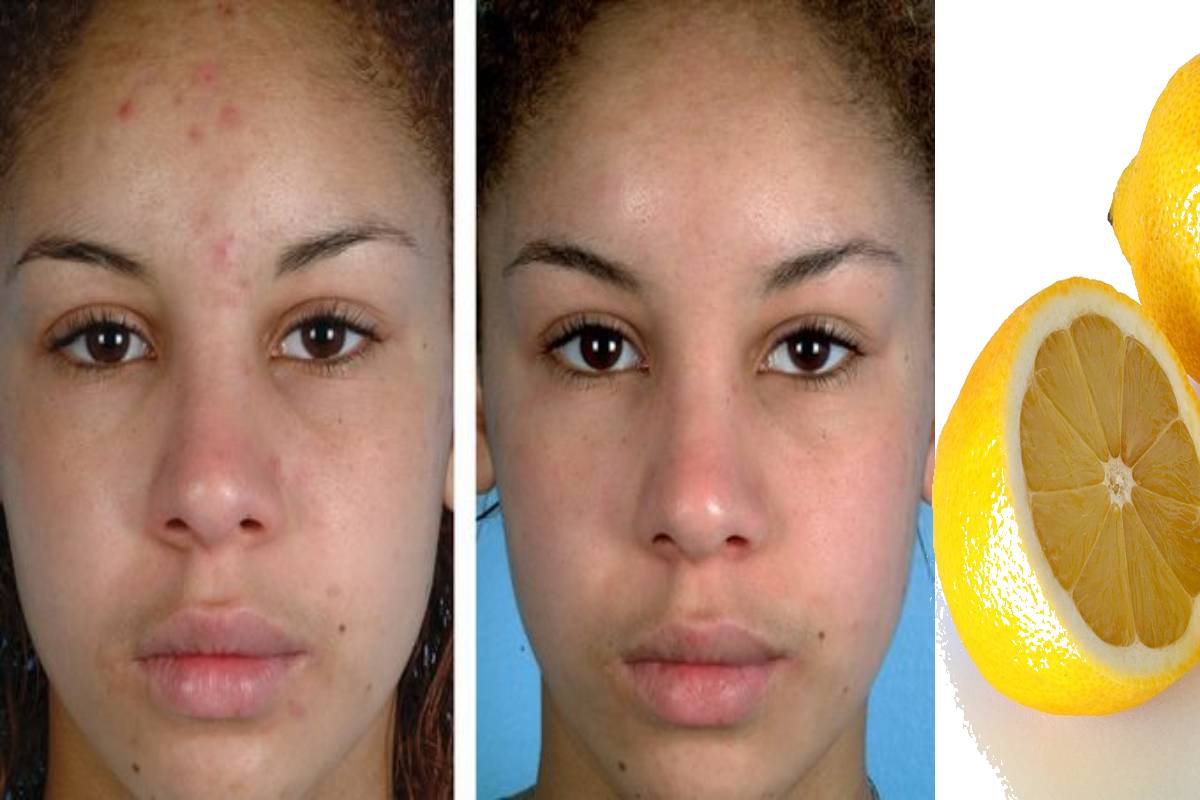
But does lemon really help with acne scars? What kind of “before and after” results can you realistically expect? And more importantly, is it safe?
Let’s break it all down in a clear, honest, and practical way.
Table of Contents
Why People Use Lemon for Acne Scars

Lemon juice is rich in vitamin C (ascorbic acid) and citric acid, both known for their skin-brightening and exfoliating properties. In theory, this combination can help lighten dark acne marks and improve skin tone.
Here’s why it became popular:
-
Natural source of Vitamin C
-
Contains alpha hydroxy acid (AHA) properties
-
Has mild antibacterial qualities
-
Cheap and easily available
-
DIY skincare trend on social media
However, popularity doesn’t always mean safety — or effectiveness.
Understanding Acne Scars vs Acne Marks
Before we talk about lemon’s impact, let’s clarify something important.
Many people confuse acne scars with post-acne marks.
| Type | What It Looks Like | Can Lemon Help? |
|---|---|---|
| Post-inflammatory hyperpigmentation (PIH) | Dark brown or red spots | Possibly (with caution) |
| Atrophic scars | Indented or pitted skin | No |
| Hypertrophic scars | Raised scars | No |
| Ice pick scars | Deep, narrow holes | No |
Lemon may slightly help with dark marks (PIH), but it cannot fix structural scarring like pitted or raised scars.
How Lemon Works on Dark Acne Marks
Let’s look at the science behind it in simple terms.
1. Vitamin C Brightening Effect
Vitamin C is known to:
-
Reduce melanin production
-
Promote collagen production
-
Improve overall skin radiance
But here’s the catch:
Fresh lemon juice is unstable and oxidizes quickly. It does not provide the same controlled concentration as dermatologist-formulated vitamin C serums.
2. Citric Acid Exfoliation
Citric acid works like a mild chemical exfoliant:
-
Removes dead skin cells
-
Encourages new skin turnover
-
Helps fade pigmentation gradually
But again — lemon juice has an unpredictable pH (around 2), which can be too harsh for facial skin.
Lemon for Acne Scars: Before & After Results
Let’s talk honestly about results.
Week-by-Week Expectation
| Duration | Possible Changes |
|---|---|
| Week 1 | Mild brightness, slight tingling |
| Week 2–3 | Slight fading of superficial dark spots |
| Week 4+ | Minor improvement in mild pigmentation only |
Important Reality Check
-
Results are usually slow and minimal
-
Deep scars show no improvement
-
Sensitive skin may worsen instead
Many “before and after” images online are:
-
Taken in different lighting
-
Edited
-
Combined with other skincare treatments
So, don’t expect dramatic transformation from lemon alone.
The Hidden Risks of Using Lemon on Face
This is the part most DIY blogs skip — but you shouldn’t.
1. Skin Irritation
Lemon juice is highly acidic. It can cause:
-
Redness
-
Burning sensation
-
Peeling
-
Dryness
2. Photosensitivity
Lemon contains compounds called psoralens that can cause:
This may lead to:
-
Blisters
-
Dark patches
-
Long-lasting pigmentation
Ironically, you may end up with worse dark spots.
3. Skin Barrier Damage
Overuse can weaken your natural skin barrier, making acne worse instead of better.
Who Should Never Use Lemon on Their Face?
Avoid lemon if you have:
-
Sensitive skin
-
Rosacea
-
Active acne
-
Eczema
-
Dry or damaged skin
-
Darker skin tones prone to hyperpigmentation
If You Still Want to Try Lemon
If you’re determined to test it, here’s the safest possible way:
Diluted Lemon Spot Treatment
Ingredients:
-
1 teaspoon fresh lemon juice
-
2 teaspoons water
Steps:
-
Mix properly.
-
Apply only on dark spots (not entire face).
-
Leave for 5 minutes max.
-
Rinse thoroughly.
-
Apply moisturizer.
-
Use sunscreen the next day.
Limit to 1–2 times per week only.
Never apply and step into sunlight.
Lemon vs Dermatologist-Approved Treatments
Let’s compare.
| Treatment | Effectiveness | Safety | Cost | Recommended? |
|---|---|---|---|---|
| Lemon juice | Mild for pigmentation | Risky | Very cheap | Not ideal |
| Vitamin C serum | Moderate | Safe (formulated) | Medium | Yes |
| Niacinamide | Good | Very safe | Affordable | Yes |
| Chemical peels | High | Safe (if done properly) | Higher | Yes |
| Laser therapy | Very high | Clinical | Expensive | Yes |
You can see the difference — lemon is the least controlled and least predictable option.
Safer Natural Alternatives for Acne Marks
If you prefer natural remedies, consider these:
1. Aloe Vera
-
Soothes skin
-
Reduces redness
-
Helps fade pigmentation slowly
2. Rosehip Oil
-
Rich in vitamin A
-
Supports skin regeneration
3. Raw Honey
-
Antibacterial
-
Gentle brightening
These are far less irritating compared to lemon.
Best Dermatologist-Recommended Ingredients for Acne Scars
Instead of risking burns, look for skincare products containing:
-
Vitamin C (10–20%)
-
Niacinamide (4–10%)
-
Alpha Arbutin
-
Azelaic Acid
-
Retinol
-
Salicylic Acid
These ingredients are clinically studied and much safer.
Real Story: What Happens When Lemon Goes Wrong
Many dermatologists report cases where patients used lemon juice daily, then went out in the sun. Within days, they developed:
-
Severe pigmentation
-
Burning sensation
-
Patchy discoloration
-
Months of recovery time
So yes — lemon can sometimes make scars worse.
Can Lemon Remove Deep Acne Scars?
Short answer: No.
Deep scars require:
-
Microneedling
-
Chemical peels
-
Subcision
-
Laser resurfacing
Kitchen remedies cannot repair structural skin damage.
Pros and Cons of Using Lemon for Acne Scars
| Pros | Cons |
|---|---|
| Natural ingredient | Highly acidic |
| Cheap | Causes irritation |
| Contains vitamin C | Sun sensitivity risk |
| Mild exfoliation | Can worsen pigmentation |
| Easy to find | No effect on deep scars |
What Dermatologists Actually Say
Most dermatologists discourage applying raw lemon juice directly to the face because:
-
It’s not pH-balanced
-
Concentration varies
-
No control over strength
-
High risk of photoreaction
Instead, they recommend stabilized skincare formulations.
How Long Do Acne Marks Actually Take to Fade?
Without treatment:
-
Mild marks: 3–6 months
-
Moderate: 6–12 months
-
Severe: 1 year+
With proper skincare:
-
Can reduce by 30–60% within 3 months
Patience and consistency matter more than quick hacks.
A Better Routine for Acne Scars
Morning:
-
Gentle cleanser
-
Vitamin C serum
-
Moisturizer
-
Sunscreen (SPF 30+)
Night:
-
Cleanser
-
Niacinamide or retinol
-
Moisturizer
This routine works far better than lemon.
Frequently Asked Questions
1. Can lemon permanently remove acne scars?
No. It may slightly lighten dark spots but cannot remove true scars.
2. Can I leave lemon overnight?
Not recommended. It increases irritation risk.
3. Does lemon bleach skin?
It can temporarily lighten pigmentation but may cause uneven patches.
4. Is lemon good for oily skin?
It may reduce oil temporarily but can damage the barrier.
Should You Use Lemon for Acne Scars?
Here’s the honest answer.
Lemon is:
-
Not completely useless
-
Not completely safe
-
Not a miracle solution
If used very carefully and occasionally, it might slightly brighten mild dark marks.
But the risks often outweigh the benefits — especially if you have sensitive or acne-prone skin.
High Authority Sources
- https://www.aad.org/public/diseases/acne/skin-care/acne-scars
- https://www.ncbi.nlm.nih.gov/pmc/articles/PMC3673383/
https://www.mayoclinic.org/diseases-conditions/acne-scars/diagnosis-treatment
Final Conclusion
Using lemon for acne scars might sound simple and natural, but it’s not the miracle solution many believe it to be. While it can slightly lighten dark spots in some cases, the risks — especially irritation and pigmentation — are real, particularly for Indian skin tones.
If your goal is truly clearer skin, safer and scientifically formulated products will always outperform kitchen remedies. Lemon may be natural, but that doesn’t automatically make it safe or effective for acne scars.
