

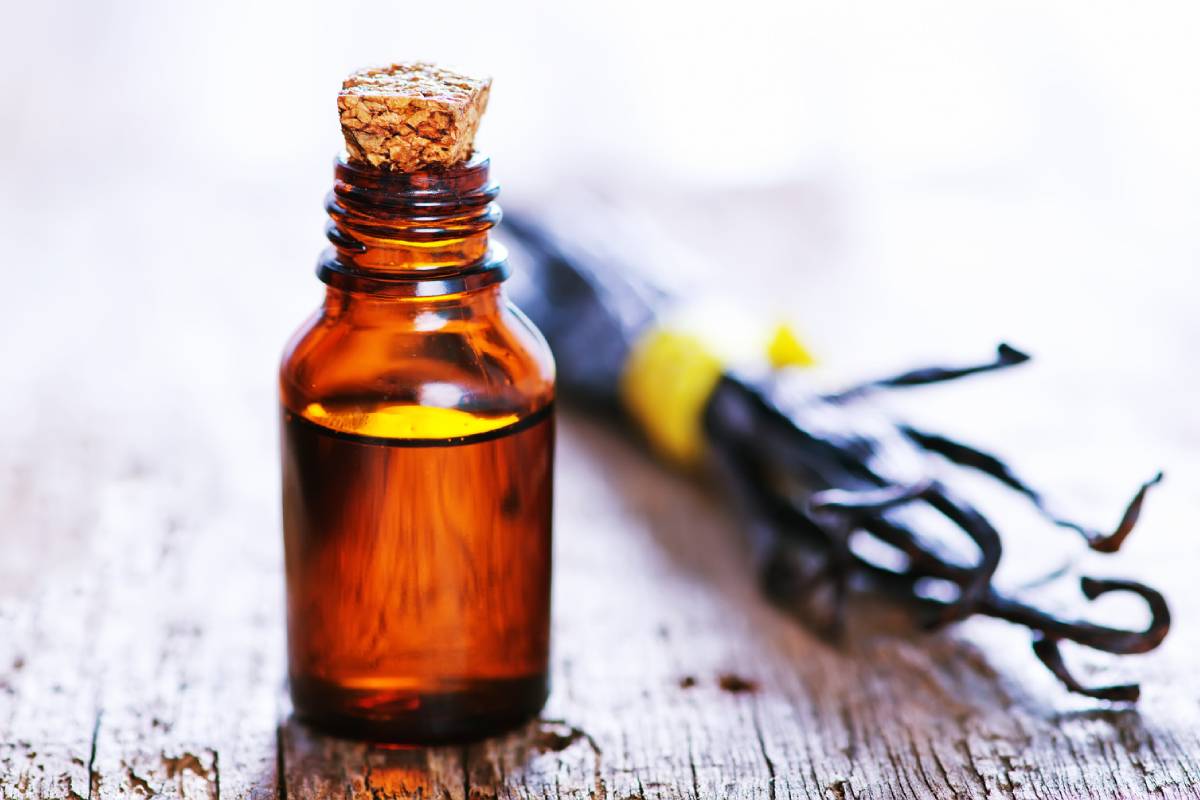
Vanilla essential oil – Vanilla smells like comfort in a bottle — warm, slightly sweet, and instantly familiar. But beyond its role in baking and perfume, it has properties that make it interesting for hair and scalp care. In this long, friendly guide, I’ll walk you through: what “vanilla essential oil” really is, potential benefits for hair and scalp, how to use it safely, and simple DIY recipes you can try at home. I’ll also include quick tables so you can glance-and-go.
Table of Contents
Properties of Vanilla essential oil
We explain vanilla essential oil’s properties by presenting the active compounds initially present in the pods of Vanilla planifolia or Vanilla fragrance.
How to use vanilla for hair
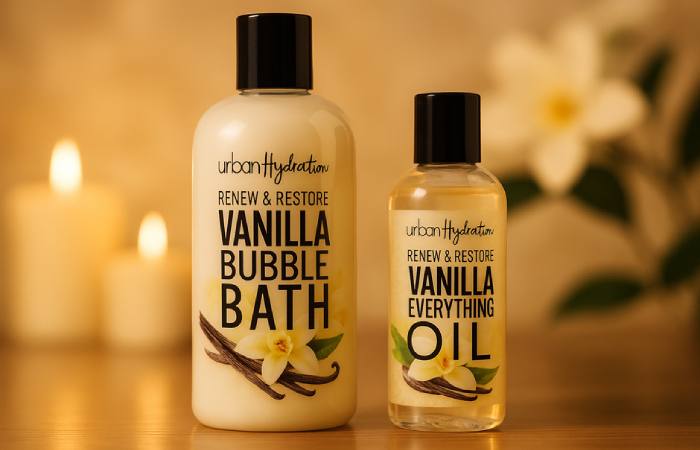
Vanilla is mainly used in three ways in hair care:
-
Aromatherapy / inhalation — diffused or inhaled for mood (less direct hair effect, but stress reduction helps hair health).
-
Topical blends — mixed into carrier oils (coconut, argan, jojoba) and massaged into the scalp as a serum or pre-wash treatment.
-
Leave-in or rinse-off treatments — a few drops in hair masks, conditioners, or DIY sprays for scent and supportive scalp effects.
Below are safe, ready-to-use recipes and a summary table.
Quick recipe summary (ingredients, dilution, use)
| Recipe | Main ingredients (per 30 ml / 1 fl oz carrier base) | Dilution | How to use |
|---|---|---|---|
| Scalp massage oil (nourish + calm) | 28.5 ml fractionated coconut oil + 6 drops vanilla absolute + 4 drops rosemary | ~1.6% total essential oils | Massage into scalp 10–15 min, leave 30–60 min or overnight, then shampoo. |
| Pre-wash hair mask (deep conditioning) | 2 tbsp coconut oil + 1 tsp honey + 3 drops vanilla | ~1% | Warm slightly, apply to lengths & scalp, cover 30–60 min, rinse & shampoo. |
| Hair perfume / mist | 100 ml distilled water + 1 tsp glycerin + 6 drops vanilla | Very low (for rinse-off scent) | Shake & mist lightly on hair for fragrance and smoothing. |
| Overnight shine serum (only for dry hair) | 25 ml argan oil + 5 ml jojoba + 3 drops vanilla | ~0.8% | Apply few drops to ends overnight, wash in morning if desired. |
1. Regenerating and softening the skin
For health:
- The Vanilla essential oil can hydrate, soften, and regenerate dry or flaky skin due to its vanillin composition.
Relaxing:
- The relaxing and analgesic virtues of vanilla essential oil are to keep its main component as vanillin, an aromatic aldehyde, at the origin of Vanilla’s characteristic odour.
Other properties:
- Aperitif
- Antiseptic
2. For the well-being
Nerve balancing:
- The aldehydes that contain Vanilla’s essential oil are neuro tonic; that is to say, they restore the nervous system’s tone without exciting it.
Aphrodisiac:
- The aromatic compounds in vanilla oil, responsible for its odour, would act on the hypothalamus.
- And also, it produces a general stimulating, neurotoxic, and slightly aphrodisiac effect.
Other properties:
- Firstly, it is relaxing.
- Secondly, indications of vanilla essential oil.
- And also, thanks to the many properties described above, vanilla oil has multiple symptoms.
For health:
- Skin problems
- Its regenerating and softening virtues make it a useful oil to fight against damaged, dry or sluggish skin, prevent wrinkles and stretch marks.
3. To stimulate appetite
- Its aperitif virtues encourage its use to whet the appetite of small stomachs.
- And also, to stimulate the immune system.
- Thanks to its antiseptic properties, we can use it for distribution in sick people’s rooms or drive away bad smells (cooking, cigarettes, etc.).
For the well-being:
- Anguish and anxiety
- Asthenia (and intellectual fatigue), lack of enthusiasm, convalescence, exhaustion
- Self-confidence (lack)
- Creativity
- Latent or temporary depression
- Impotence or sexual failure
- Irritability
- Sleep (disturbances)
- Stress
- Overwork
- Sadness, melancholy
DIY recipes — step-by-step
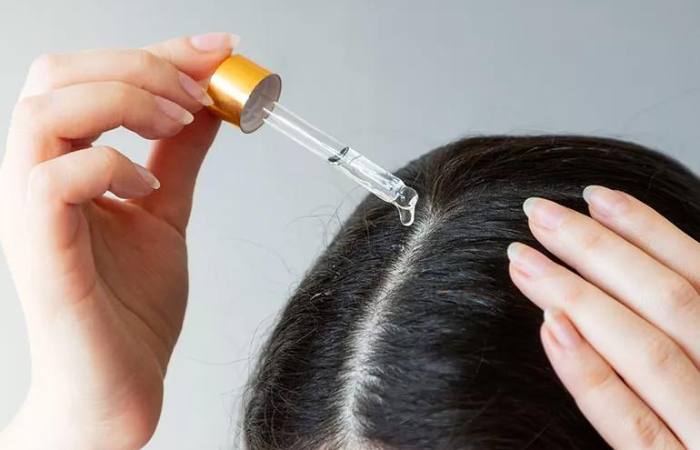
1) Scalp Nourish Massage Oil (for dull, flaky scalps)
Ingredients:
-
28.5 ml fractionated coconut oil (or jojoba)
-
6 drops vanilla absolute (or vanilla CO₂ extract)
-
4 drops rosemary essential oil (optional — stimulates follicles)
Method:
-
Warm the carrier oil slightly (hand-warm).
-
Add the essential oils and mix.
-
Section hair and massage gently into scalp for 5–10 minutes to boost circulation.
-
Leave 30–60 minutes or overnight (cover with a shower cap).
-
Shampoo twice to remove oil buildup.
Why it works: carrier oil moisturizes follicles and shaft; vanilla brings calming/antioxidant support; rosemary adds a circulation boost. Keep total essential oil dilution around 1–2%.
2) Deep Conditioning Mask (for dry, frizzy hair)
Ingredients:
-
2 tbsp virgin coconut oil
-
1 tsp raw honey
-
3 drops vanilla absolute
Method:
-
Mix coconut oil and honey until smooth; gently warm if solid.
-
Stir in vanilla.
-
Apply to mid-lengths and ends; avoid heavy application on very oily scalps.
-
Leave 30–60 min under a towel, rinse thoroughly, and shampoo.
Why: honey is a humectant, coconut oil penetrates the hair shaft, and vanilla adds antioxidant/soothing effects.
3) Vanilla Hair Mist (light fragrance + smoothing)
Ingredients:
-
100 ml distilled water
-
1 tsp vegetable glycerin (helps scent cling to hair)
-
6 drops vanilla extract/absolute
Method:
-
Mix glycerin with essential oil first (helps dispersal), then add water.
-
Shake well before use. Mist lightly on hair from a distance for a pleasant scent and a little frizz control.
Note: do not over-spritz; dilute well to avoid buildup.
A simple commercial variant idea: many hair masks and conditioners include vanilla extract/derivative as a fragrance/nourishing note (e.g., vanilla bean hair butters). (See product examples in consumer brands).
Practical tips and combos that work well
- Use vanilla with less volatile carrier oil base-rich oils (sometimes argan, coconut, or olive) due to the viscous nature of vanilla absolutes, which dissolve in fatty bases.
- Add rosemary or lavender: rosemary for the circulatory system of the head; lavender for relaxation, tea tree in small portions may tend to clear the dandruff (though again, be careful, as tea tree can be very irritating to your own skin).
- Apply carefully to hair that is fine and oily. Oils that are heavier have a tendency to weigh down on fine hair, thus apply mostly at the ends being treated, or use a light leave-in mist instead.
Simple safety & dilution quick reference
| Person / use | Recommended dilution | Extra caution |
|---|---|---|
| Adults (general) | 0.5–2% | Patch test first |
| Sensitive skin / face | ≤0.5–1% | Use milder oils; avoid eyes |
| Pregnancy (esp. 1st tri) | ≤1% or avoid | Consult healthcare provider |
| Children | Very low; consult pediatric guidance | Avoid under 2 y/o for most oils |
| Scalp dermatitis / medicated scalp | Consult dermatologist | Some essential oils can irritate inflamed skin |
Choosing the right vanilla product
-
Label clarity: look for vanilla absolute, vanilla CO₂ extract, or vanilla oleoresin. If a vendor labels “vanilla essential oil,” read the extraction method.
-
Botanical name: Vanilla planifolia (or V. fragrans per supplier) — ensures the right species.
-
Purity & testing: reputable suppliers provide GC/MS reports (gas chromatography) showing main components like vanillin.
-
Avoid unknown “fragrance oils” (these may be synthetic and more likely to irritate).
FAQ
Q: Can vanilla make hair grow faster?
A: No human clinical data (strong) supports the idea that the single vanilla can make hair grow enormously fast. The fact that it has antioxidant and anti-inflammatory effects could help to provide a healthier environment to the scalp, improving the appearance and feel of hair.
Q: Can vanilla be applied to hair?
A: No No undiluted absolutes or extracts may irritate. It should always be diluted in a carrier oil or in water/ glycerin mixture.
Q: Who knew what the difference was between vanilla essential oil and vanilla absolute?
A: Vanilla is extracted either as an absolute or CO 2 extract (not steam-distilled). Most of the items that are sold as vanilla essential oil are absolutes or mixed fragrance oils. Read the instructions on the label for extraction.
What the research actually says
-
Vanillin shows antioxidant, antibacterial, and anti-inflammatory activity in several lab and animal studies; authors suggest therapeutic potential but caution that more human work is needed.
-
Vanillin and vanilla extracts have been studied for skin-related anti-inflammatory uses (e.g., psoriasis models) and wound-healing cell assays — promising but preliminary.
Scientific / Research References
-
Vanillin bioactivity & therapeutic potential – an in-depth review of vanillin’s antioxidant, antimicrobial, and anti-inflammatory properties:
-
Vanilla’s potential health benefits summary (nutritional & bioactive extract review) – overview of vanilla extract components and health effects (including vanillin):
Final Thoughts
Vanilla is a beautiful, risk-free stress reliever with aroma and antioxidant properties in hair care, especially if you appreciate natural, comforting scents. Whatever cramp conceiving your Dameet on a running during the rest: that man may calm, guard against oxidation, and provide a pleasant fragrance, though you will not give instant scalp hair (constipation). Use (responsibly with dilution and patch test), use good extracts and combine vanilla with carrier oils that feed the scalp, and also good and friendly habits of the scalp (healthy eating, less heat use, and gentle styling).