

Life hacks to make your teeth white – A sunny, smiling face can make your appearance better and happier. It tends to make individuals look fresher, more assured and friendlier. However, as soon as teeth begin to appear yellow, dull, or stained, a large number of people turn to the Internet and begin to find a quick fix to the white-bright effect. The thing is that not all of the ways to whiten your teeth are safe and not all of the natural ones are really soft to the enamel.
Table of Contents
What Natural Teeth Whitening Really Means
Natural teeth whitening is a technique that involves procedures that assist in the reduction of the surface stains as well as enhancing the appearance of teeth without making use of severe bleaching substances. Other methods cannot make teeth internal whitening as professional whitening procedures. Rather, they are concerned with keeping their mouths clean, stain-remover and improved oral habits.
- Simply put, natural whitening is concerned with:
- Eliminating daily staining of food, beverages, and habits.
- Preserving enamel so that teeth are not seen as drab.
- Maintaining the mouth hygiene, fresher, and healthier.
The person should be realistic. Natural products may brighten up the appearance of your teeth but most of these naturally available products may not make deeply coloured teeth drastically white. The only thing they can do is make your smile cleaner, fresher and polished.
Why Teeth Lose Their Natural White Color
Teeth do not usually turn yellow overnight. Discolouration happens slowly and often for several reasons at once.
| Cause of Discoloration | How It Affects Teeth |
| Tea and coffee | Leaves stain particles on enamel over time |
| Smoking or tobacco use | Causes stubborn yellow or brown stains |
| Poor brushing and flossing | Allows plaque to build up, making teeth look dull |
| Aging | Enamel becomes thinner, exposing the yellower layer beneath |
| Dark sauces and colored foods | Pigments can cling to the tooth surface |
| Acidic foods and drinks | Weaken enamel and make stains more noticeable |
| Dry mouth | Reduces saliva, which normally helps clean teeth naturally |
For many people, the problem is not one major cause but a combination of small daily habits. A few cups of tea, irregular brushing, and occasional snacking on colored foods can gradually make teeth appear less bright.
Safe Natural Methods That Can Help Whiten Teeth
Natural whitening works best when the methods are gentle, consistent, and used the right way. The goal is not to scrub teeth aggressively. The goal is to remove stains without wearing down enamel.
Oil Pulling for Cleaner Teeth and Fresher Breath
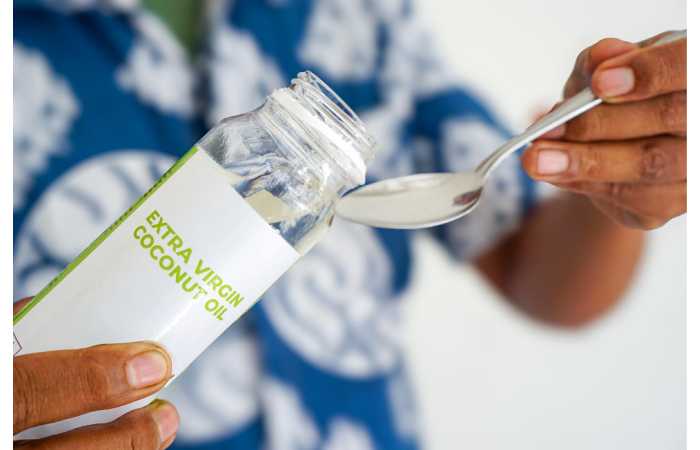
Oil pulling is one of the oldest traditional oral care practices. It involves swishing oil around the mouth for a few minutes before spitting it out.
How it may help
Oil pulling may help reduce bacteria and loosen debris from the mouth. Over time, this can make teeth look cleaner and help improve breath. It is not a fast whitening trick, but it can support better oral hygiene.
How to do it safely
Use one tablespoon of coconut oil or sesame oil. Swish it gently in your mouth for 10 to 15 minutes. Do not swallow it. Spit it out into a tissue or trash bin, then rinse your mouth with water and brush your teeth.
Best use
Oil pulling works best as a morning habit or as part of a weekly oral care routine.
What to expect
You may notice your mouth feels fresher and cleaner. Whitening results, if any, are usually gradual.
| Advantage | Limitation |
| Gentle on enamel | Does not whiten deeply stained teeth |
| Easy to do at home | Results are subtle and slow |
| Supports oral hygiene | Must be done regularly |
Baking Soda for Surface Stains
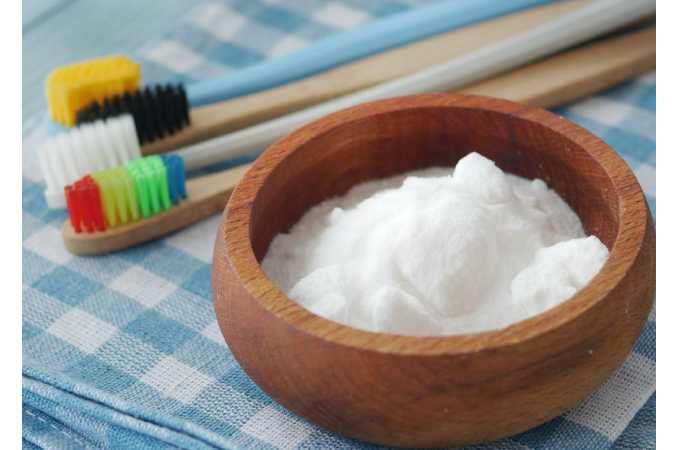
One of the most widespread natural ingredients used in the stain removal are baking soda. It contains a small amount of abrasiveness and as such, it will polish part of the surface stain.
Why it works
It is mildly polishing to the surface of the teeth and could be used to make the appearance of stains brought about by tea, coffee, or food color less visible.
How to use it
To prepare a light paste mix a small portion of baking soda with water. Brush lightly until it is almost one minute and then lots of rinsing. It does not rook taking of its place of your toothpaste.
How often to use it
Use not more than two or three times a week. Overuse can be too abrasive.
Safety warning
The aggressiveness of baking soda should be avoided. Baking soda can erode enamel and make it very sensitive in case of hard brushing. Also keep in mind that it is rather sensitive to your teeth, so you need to be cautious or you should not use it.
| Benefit | Risk |
| Helps remove surface stains | Can be abrasive if overused |
| Easy and inexpensive | May irritate sensitive teeth |
| Simple at-home option | Not suitable for daily use |
Brushing the Right Way Matters More Than People Think
People emphasize whitening products and lose their basics. As a matter of fact, your cleaning technique can be more important than most home remedies.
Good brushing habits
Clean teeth every two times a day with a soft bristled toothbrush and fluoride toothpaste. A brushing session would last approximately two minutes. Apply light circular movement and not side to side motion.
Why this helps
One of the largest causes of teeth being dull is the plaque. Regular removal of plaque causes the teeth to appear clean and bright in nature. enamel
Extra tip
Immediately after consuming alienant foods or beverages e.g. citrus fruits, soda or foods made out of vinegar, do not brush. Wait enough, at least 30 minutes, since enamel could be slightly softened.
| Good habit | Why it helps |
| Soft toothbrush | Protects enamel and gums |
| Two-minute brushing | Removes more plaque |
| Gentle pressure | Prevents enamel wear |
| Fluoride toothpaste | Helps protect and strengthen teeth |
Flossing Helps Teeth Look Brighter Too
The behavior of flossing is not always regarded as one that only keeps your gums safe, yet, it speaks of the appearance of the teeth as well. Teeth can only be seen as having a yellow or uneven smile because of particles of food and plaque that settle between the teeth.
When you brush daily, you get rid of all the accumulation that can not be reached by brushing. This is able to enhance your oral health and the general outlook of your teeth.Best practice
Use a clean section of floss for each space between teeth. Be gentle and avoid snapping it into the gums.
Eating Crunchy Fruits and Vegetables
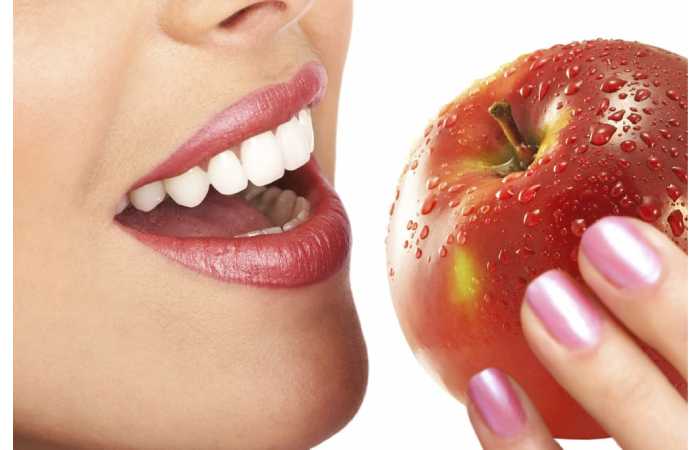
Some foods naturally help clean the surface of your teeth while you chew them. They are not whitening products in the strict sense, but they can support a cleaner mouth.
Helpful choices
Apples, carrots, celery, cucumbers, and pears are all good examples. Their crunchy texture can help remove loose debris while stimulating saliva production.
Why saliva matters
Saliva helps wash away food particles and neutralize acids in the mouth. A healthy saliva flow supports cleaner teeth and fresher breath.
| Food | Benefit for teeth |
| Apple | Mild natural cleaning action |
| Carrot | Helps clear food particles |
| Celery | Encourages saliva flow |
| Cucumber | Hydrating and refreshing |
| Pear | Supports a cleaner mouth environment |
Rinse After Coffee, Tea, or Staining Foods
If your teeth stain easily, rinsing after meals can make a noticeable difference. Even a simple water rinse helps reduce the amount of pigment that stays on the tooth surface.
This is especially useful after:
- Black tea
- Coffee
- Red sauce
- Soy sauce
- Beetroot
- Curry-heavy meals
- Dark-colored soft drinks
You do not need a complicated routine. A small habit like rinsing with plain water can slow down stain buildup over time.
Use Activated Charcoal Carefully, or Not at All
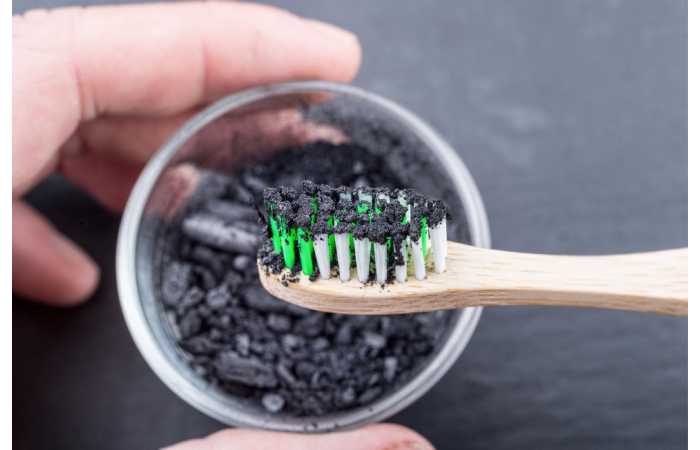
Activated charcoal is popular because it is often marketed as a natural whitening solution. It may help remove some surface stains, but it is not always the safest option.
The concern
Charcoal can be abrasive. If used too often, it may wear enamel down and make teeth more sensitive. Once enamel is lost, it does not grow back.
Safer approach
If you choose to try it, use it sparingly and gently. Never replace regular toothpaste with charcoal every day.
Who should avoid it
People with sensitive teeth, thin enamel, gum recession, or existing dental work should be especially cautious.
| Charcoal use | Consideration |
| Occasional use | May help with surface stains |
| Frequent use | Can be too abrasive |
| Sensitive teeth | Not a good choice |
| Damaged enamel | Should be avoided |
Natural Whitening Methods Comparison Table
| Method | Whitening Effect | Safety Level | Best For | Caution |
| Oil pulling | Mild | High | Supporting oral hygiene | Do not swallow oil |
| Baking soda | Moderate for surface stains | Medium | Short-term stain reduction | Do not overuse |
| Better brushing | Strong over time | High | Daily maintenance | Avoid hard scrubbing |
| Flossing | Indirect but important | High | Removing hidden buildup | Be gentle on gums |
| Crunchy fruits | Mild | High | Supporting saliva and cleanliness | Not a replacement for brushing |
| Rinsing after meals | Preventive | High | Preventing new stains | Needs consistency |
| Activated charcoal | Mild to moderate | Lower | Occasional stain care | Can be abrasive |
Safety Warnings You Should Not Ignore
Safe does not necessarily mean natural. There is a range of the most popular DIY whitening ideas that may hurt teeth when improperly used.
Avoid these risky habits
Lemon juice on teeth
Lemon is highly acidic. It is possible that at the beginning it can seem brightening, but the acid may make teeth more sensitive and weaken the enamel.
Baking soda every day
Even delicate ingredients will become hectic when administered excessively. Baker soda is to be used now and then, not on a daily basis.
Brushing too hard
Brushing teeth hard does not reduce their whiteness. It has the ability to wear down enamel and irritate gums.
Charcoal too often
Activated charcoal can take off some of the stains, but this can be done roughly to enamel more often than not.
Working with sharp and rough materials.
Avoid salt scrubs, hardened powders or any other dental tools that are not intended to be used in the dental area.
Signs a method is too harsh
- Increased tooth sensitivity
- Gums feeling sore or irritated
- Teeth looking more transparent at the edges
- Pain when eating hot, cold, or sweet foods
If you notice these signs, stop using the method and return to gentle oral care.
Best Natural Daily Routine for Whiter Teeth
A good routine matters more than random one-time remedies. Whitening is usually the result of habits, not miracles.
| Time of Day | What to Do |
| Morning | Brush with fluoride toothpaste, then rinse well |
| After breakfast | Rinse with water if tea or coffee was consumed |
| Midday | Drink enough water to keep the mouth from drying out |
| After meals | Rinse when possible, especially after staining foods |
| Night | Floss, then brush gently before bed |
| Weekly | Use baking soda only occasionally, if suitable |
This kind of routine helps prevent new stains while gradually improving the look of your teeth.
When Natural Whitening Is Not Enough
Natural methods are best for mild staining and maintenance. They are not always enough for deeper discoloration.
You may need professional help if:
- Teeth are deeply yellow, brown, or gray
- Discoloration is uneven
- You have spots that do not improve with cleaning
- You feel pain or sensitivity
- You have dental fillings, crowns, or veneers that affect the look of your smile
Sometimes the color problem is not on the surface. It may come from within the tooth or from enamel wear. In those cases, home methods alone will not be enough.
Final Thoughts
If you are trying to learn how to make teeth white naturally, the most important thing to remember is this: safe whitening is slow whitening. The best results come from consistent oral hygiene, stain prevention, and gentle methods that respect enamel.
Oil pulling, baking soda used carefully, better brushing habits, flossing, and smart food choices can all help your teeth look cleaner and brighter. But the real win is not just a whiter smile. It is a healthier mouth that stays clean, strong, and comfortable over time.