

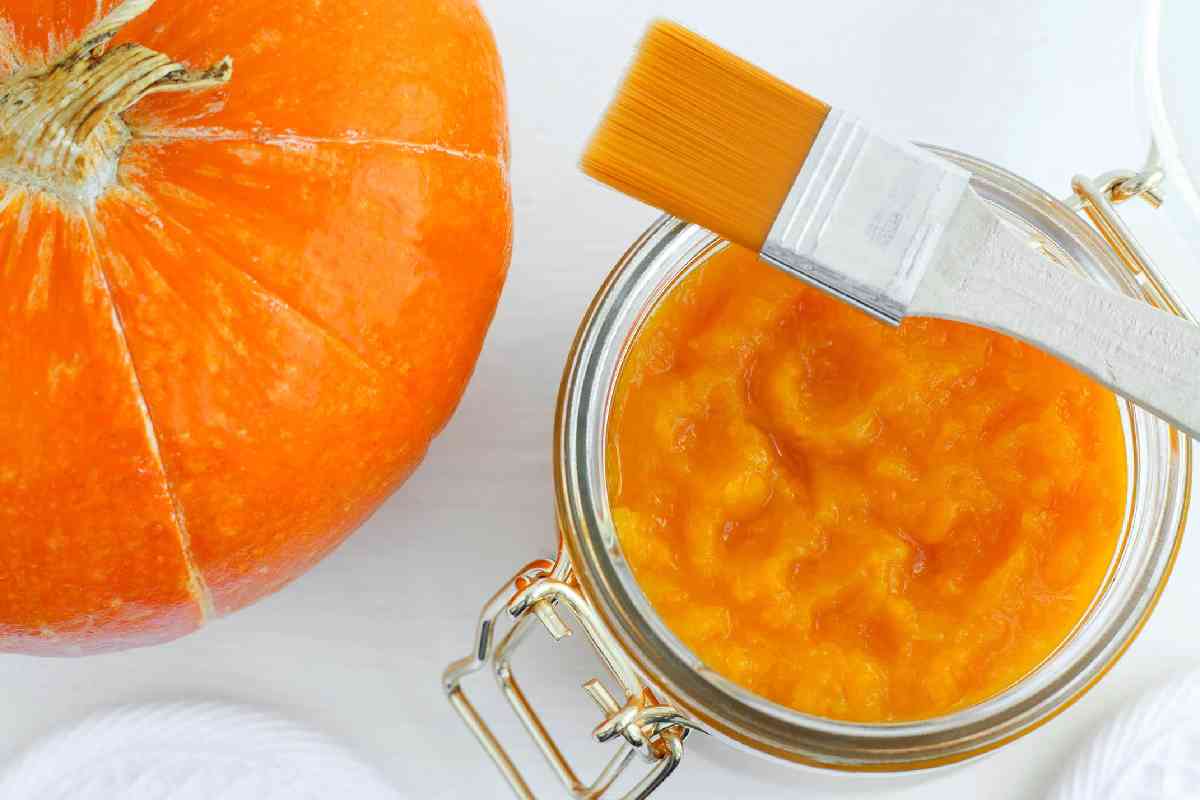
Pumpkin skincare – is a healthy vegetable that has been being used since time immemorial due to its beauty and health advantages. It contains vitamins A, C and E that are necessary in the healthy skin. Pumpkin also has beta-carotene, which is an antioxidant, and this is able to help shield the skin against destruction by an overabundance of sun and pollution.
Amidst the crowd of skincare entries and exits, the cyclical nature of the skincare industry, Ultrasun has emerged as the best brand in global leader in the industry of sun protection. Ultrasun India premium sunscreens with a firm commitment to quality, innovation and consumer well being have won the confidence of many consumers globally to trust its product to be one of the most reliable sunscreens in the world.
Ultrasun is a Swiss skincare brand that has been specializing in sun protection since 1962. It is one of the most trusted sunscreen brands worldwide, and for good reason. Here are just a few of the reasons why Ultrasun is the best choice for sun protection:
Table of Contents
What is “pumpkin” in skincare?
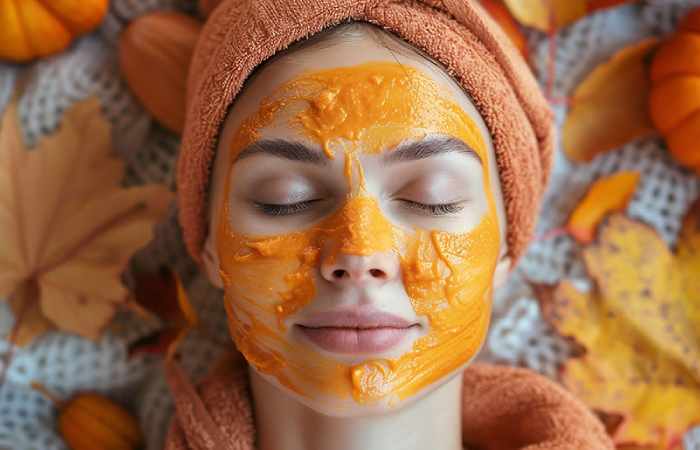
The label on one of the brands likely made an implication of one or more of the following: pumpkin puree/pumpkin extract (flesh/peel), pumpkin enzyme extracts (fruity proteases/enzymes), and pumpkin seed oil ( cold-pressed pumpkin seed oil ). All of the fractions include a few different activities: the flesh/peel consists of carotenoids and organic acids (less concentrated AHA that include malic and citric) and the enzymes contain proteolytic (protein-digesting) enzyme exfoliation and the seed oil includes fatty acids, tocopherols and zinc that also help in the action of the barrier and in the process of calming the inflammation.
Quick ingredient cheat-sheet
| Pumpkin fraction | Key actives | What they do for skin |
| Flesh / peel (purée, extract) | carotenoids (β-carotene), vitamin C, organic acids (malic, citric) | brightening, mild chemical exfoliation, antioxidant protection. |
| Fruit enzymes (marketed as “pumpkin enzyme”) | proteolytic enzymes + fruit acids | gentle enzymatic exfoliation — dissolves dead surface keratin for smoother texture. |
| Pumpkin seed oil (PSO) | linoleic & oleic acids, tocopherols (vitamin E), zinc, phytosterols | nourishing, improves elasticity & hydration, anti-inflammatory and antioxidant effects. |
| Fiber / peptides (seed proteins) | amino acids & bioactive peptides | support collagen pathways and skin repair (emerging science). |
The science: how pumpkin actually helps skin
1) Enzymatic exfoliation — “soft” protein-dissolving exfoliation
Pumpkin enzyme masks rely on fruit-derived proteases (enzymes that break down proteins). Proteolytic enzymes act on the glue between dead surface cells (keratin), helping them slough away without the abrasive scrubbing that microbeads or harsh scrubs cause. This yields smoother texture, improved product absorption, and instant radiance. Studies profiling pumpkin proteins and enzyme extracts confirm pumpkins contain proteins and extractable enzymatic activity that cosmetic formulators leverage.
2) Natural AHAs (malic, citric) — gentle chemical turnover
Pumpkin flesh contains organic acids (malic and citric among others). These are alpha-hydroxy acids (AHAs) in practice — they loosen intercellular “glue,” promote cell turnover, and reduce dullness. This is why many pumpkin masks pair pumpkin enzyme with glycolic or lactic acid: the combination gives both enzymatic and chemical resurfacing. (Note: AHAs can increase UV sensitivity — more on safety below.)
3) Antioxidants and carotenoids — protect and brighten
Pumpkin is rich in carotenoids (β-carotene and related pigments) and vitamin C precursors. These antioxidants neutralize free radicals and support even tone and glow over time — carotenoids also provide a warm, cosmetic glow when used topically.
Top skincare benefits explained
Brightening & glow
How: enzyme + AHA combo removes dull surface cells; carotenoids and vitamin C support even tone. Real result: fresh, luminous skin within 1–2 uses (surface smoothing) and gradual reduction in pigmentation with continued use.
Gentle anti-aging (fine lines & texture)
How: exfoliation encourages cell turnover and can stimulate collagen indirectly; seed oil’s fatty acids and tocopherols improve skin elasticity and barrier health. Real result: softer fine lines, smoother texture and improved bounce when used weekly and paired with a barrier-repairing moisturizer.
Hydration & barrier support
How: PSO supplies essential fatty acids and phytosterols that reinforce the lipid barrier and lock in moisture. Real result: plumper, less-flaky skin especially when PSO is applied as an overnight oil or mixed into cream.
Anti-inflammatory & acne-adjacent benefits
How: pumpkin seed oil shows anti-inflammatory activity and zinc content that may help mild inflammatory acne; enzyme/AHA combos can help clear follicular build-up (but watch sensitivity). Some small studies and lab work support PSO in topical applications for inflamed conditions.
Pumpkin vs other exfoliants — a comparison table
| Feature | Pumpkin (enzyme + mild AHAs) | Glycolic (AHA) | Salicylic (BHA) | Retinol |
| Type of exfoliation | Enzymatic + mild AHA (surface) | Chemical AHA (surface + deeper depending on %/pH) | Lipid-soluble BHA (penetrates oily pores) | Cellular turnover stimulator (retinoid receptor mediated) |
| Best for | Dullness, uneven tone, dry/combination, sensitivity (if used gently) | Thick, photo-damaged skin; pigmentation | Acne/oily, blackheads | Aging, wrinkles, pigmentation (long-term) |
| Irritation risk | Low–moderate (formulation dependent) | Moderate–high (higher % increases risk) | Low–moderate (can be drying) | Moderate–high (initial retinisation) |
| Sun sensitivity | Can increase (AHAs present) → sunscreen required. | High — sunscreen essential. | Lower vs AHAs for UV sensitivity | Increases sun sensitivity — sunscreen essential |
| When to choose | If you want glow with gentler feel and nourishing oils | If you need stronger chemical exfoliation | If oily/acneic skin | For long-term anti-aging and texture remodeling |
Pumpkin: beneficial for the skincare
- Pumpkin skincare is beneficial as it is rich in vitamins A and C and Zinc, and it nourishes and protects the skin with its antioxidants enriched with beta-carotene.
- Sensitive and dry skin will be charmed by its softening and moisturizing effects!
- The fibre and minerals result in purifying the skin when we eat it; when applied to your face or body.
The benefits of pumpkin for the skin
- It is part of the Cucurbitaceae family and is rich in vitamin A, fibre, and minerals.
- It thus helps to purify the skin ( goodbye to small pimples ) and hydrate the driest skin and stimulate the scalp.
- In addition, the pumpkin contains vitamin C, an antioxidant that neutralizes free radicals.
- It is responsible for skin ageing and, therefore, fine lines and wrinkles on the face.
- Pumpkin pulp, on the other hand, is high in potassium, helping to prevent hair loss.
- Finally, its beta-carotenoids content ( which we also find in carrots ) restores radiance to the complexion and a healthy glow.
Transparent Formulations:
Ultrasun takes pride in its transparent approach to product formulations. All Ultrasun products are free from unnecessary additives, such as fragrances, mineral oils, and preservatives, which are common irritants in many skincare products. By adopting a minimalist approach, Ultrasun ensures that its best pigmentation sunscreen, Photo age sunscreen, or any of its products are suitable for even the most sensitive skin types.
Water Resistant Formula
Ultrasun sunscreens are water-resistant for up to 80 minutes, making them ideal for swimming, sweating, or playing in the sun. They are also sweat-proof and rub-resistant, so you can be sure that you are protected even if you are active.
Non-comedogenic
Ultrasun sunscreens are non-comedogenic, meaning they will not clog your pores or cause acne breakouts. This makes them a good choice for people with sensitive skin or prone to breakouts.
How to use pumpkin products — practical routine tips
- Start slow. If you’re new to enzyme/AHA products, use once a week for 2–3 weeks before increasing to 2×/week. Enzymes are gentler but can still irritate if overused.
- Patch test. For seed oils or enzyme masks—apply a pea-size to the forearm and wait 24–48 hours.
- Timing & layering. Do enzyme/AHA masks at night (or when you can avoid sun exposure directly afterwards). Avoid layering strong actives (e.g., don’t use a high-strength AHA mask the same night as retinol).
- Sunscreen is non-negotiable. AHAs increase UV sensitivity; wear broad-spectrum SPF daily while using these products and for a week after stopping. FDA guidance recommends sunburn warnings on AHA products.
- Finish with barrier care. After masking, calm and seal: hyaluronic acid or glycerin serums and a ceramide-rich moisturizer help the barrier recover.
Pumpkin Skincare Masks
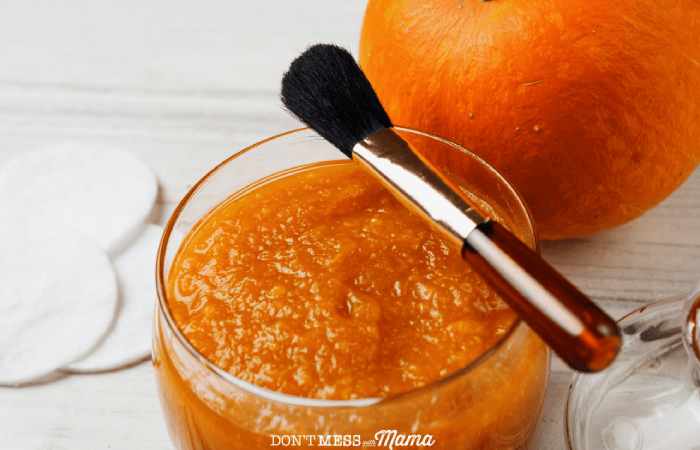
Now that we’ve managed to motivate you to reuse your pumpkin, let’s get started. And believe us, you will thank us after testing it!
1. Radiant complexion face mask
Ingredients:
- Two teaspoons of pumpkin puree
- ½ tsp of honey
- ¼ tsp yoghurt
- One tbsp oatmeal
Preparation:
- Mix the flesh of the pumpkin to make a puree, then add the rest of the ingredients.
- Spread the blend on the face avoiding the eyes, and leave on for 10 to 15 minutes.
- This ultra-quick treatment nourishes the skin while giving it a boost.
2. Face/body scrub anti-dead skin
Ingredients:
- 1/2 cup pumpkin puree
- One tbsp of extra virgin olive oil
- 1/2 cup brown sugar
- One tbsp of liquid honey
- One pinch of cinnamon
Preparation:
- Mix all the ingredients. Apply to the face or body and massage using small circular movements.
- Use it in the shower, rinse off with cold water preferably, and goodbye to dead skin!
3. Gentle hair moisturizer
Ingredients:
- 2 tbsp pumpkin puree or the oil made from the seeds by mixing them
- 1 tbsp of melted coconut oil
- 1/2 tbsp yoghurt
- 1 tbsp of honey
Preparation:
- Firstly, mix all the ingredients until the texture is smooth.
- Secondly, wrap your hair in a warm towel or shower cap for half an hour before rinsing and shampooing.
- Now, your hair is shiny and silky!
FAQ
Q: Is pumpkin the same as “enzyme mask”?
A: Not always. “Pumpkin enzyme” is a common enzyme extract used in masks; some enzyme masks use papaya or pineapple enzymes too. Pumpkin brings a mix of enzymes + acids + carotenoids.
Q: Can I use pumpkin products daily?
A: Most pumpkin enzyme masks are weekly to 2×/week. Low-dose leave-on pumpkin-infused serums or oils can be daily. Always follow product instructions.
Q: Will pumpkin turn my skin orange?
A: Unlikely topically. Beta-carotene in pumpkin could tint very high-concentration products, but cosmetic formulations contain actives at safe levels that do not “carrot” the skin.
Final Thought
Spectacular versality Pumpkin is the most wonderful thing to use on the skin. This is a calm, multi-purpose helper that illuminates, gently peels, and keeps skin healthy. It is no silver bullet, but combined with reasonable levels of sun protection and barrier mending, it is an enjoyable and science-based approach to adding seasonal and effective glow to routines.