

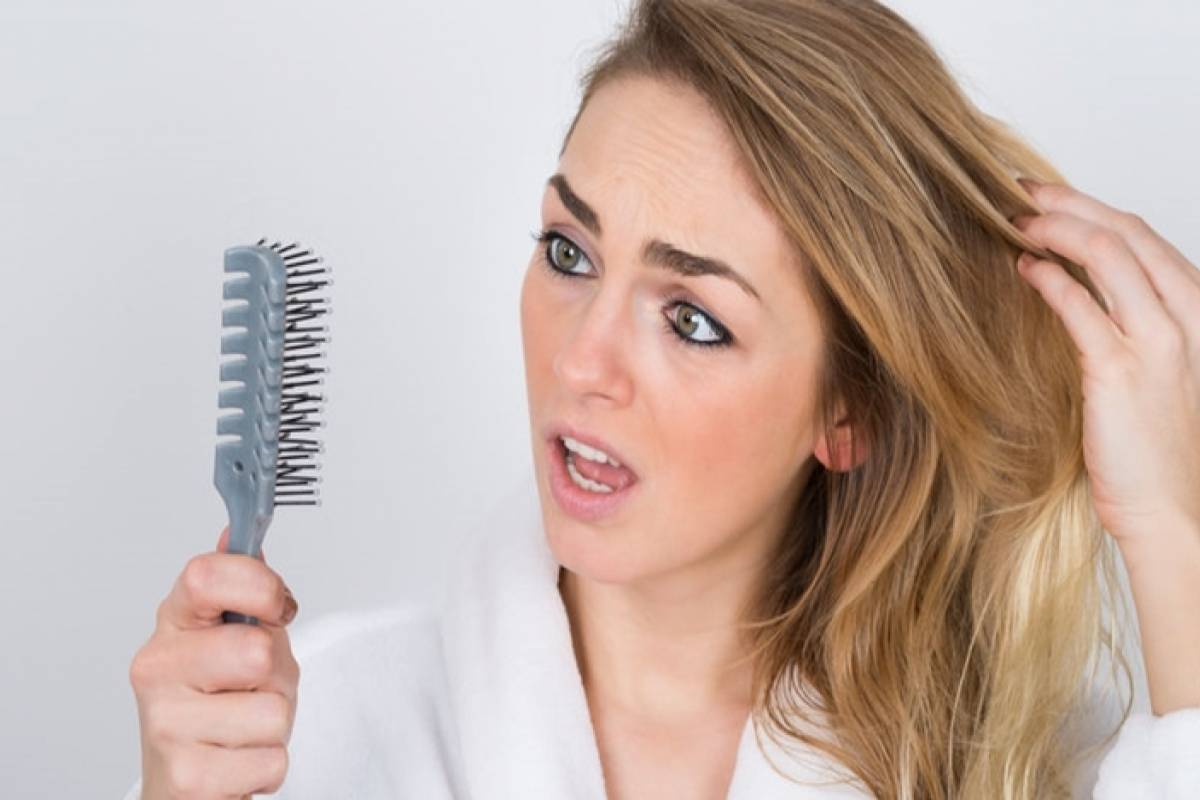
Weak hair roots are one of the most common reasons that facilitate the occurrence of excessive hair fall, whether it is thin or slow hair. The hair strands cannot stand closely attached to the scalp unless one has strong roots on his/her hair. As a result, hair breaks so easily, falls so frequently, and in some cases, appears dry and lifeless.
It must also have healthy roots of hair, which would help in ensuring the hair is thick, shiny as well as strong. The health of the hair root depends on a number of factors such as nutrition, scalp, genes and hormones as well as lifestyle habits. Knowledge of bad root cause and the way to improve it may assist you in achieving natural hair growth.
Table of Contents
What Are Weak Hair Roots?
The hairs have roots that are found within small cavities found on the head known as hair follicles. Each follicle happens to be a hair strand, which is provided with nutrients, oxygen, and blood circulation.
The hair is hard and attaches to the head as long as the follicles are healthy.
Weak hair roots are of the type that has been brought about by a deficiency of fatty nourishment to the follicles or an unhealthy atmosphere on the scalp. This causes the follicle to have loose attachment to the hair strand, and this leads to loss of hair, and it becomes thin and weak.
In straight words, weak hair roots imply that your foundation of hair growth is destroyed by weak roots.
Common Causes of Weak Hair Roots
There are many factors that can weaken hair follicles and lead to hair loss. Identifying the cause is the first step toward strengthening your hair roots.
Mayo Clinic – Hair Loss Causes
Poor Nutrition
Hair requires a variety of nutrients to grow properly. Lack of essential vitamins and minerals can weaken the hair follicles.
Important nutrients for strong roots include:
- Protein
- Iron
- Zinc
- Vitamin D
- Biotin
- Omega-3 fatty acids
When the body lacks these nutrients, the hair follicles cannot produce strong strands, which leads to weak roots and hair shedding.
Hormonal Imbalance
Hormonal fluctuations can affect hair growth cycles. Conditions such as:
- Thyroid disorders
- Polycystic ovary syndrome (PCOS)
- Pregnancy or postpartum changes
- Menopause
can disturb the natural hair growth cycle and weaken hair roots.
Excessive Stress
Physical or emotional stress may trigger a state of telogen effluvium, where the hair follicles migrate to the resting phase at the same time in big numbers. This results in her hair strands being shredded off and with weak roots.
Protracted stress can also result in a slowdown of blood flow to the scalp, and in that case, hair follicles receive no nourishment.
Poor Scalp Health
An unhealthy scalp can damage hair follicles. Common scalp problems include:
- Dandruff
- Fungal infections
- Seborrheic dermatitis
- Excess oil buildup
- Product residue
These conditions clog hair follicles and weaken the roots.
Overuse of Heat and Chemical Treatments
Frequent styling using heat tools such as:
- Hair straighteners
- Curling irons
- Blow dryers
Chemical treatments like coloring, bleaching, and perming can damage the hair shaft and weaken the hair roots.
Tight Hairstyles
Hairstyles that pull the hair tightly from the roots can cause traction alopecia, a condition where constant tension weakens the follicles.
Examples include:
- Tight ponytails
- Braids
- Buns
- Hair extensions
Over time, this constant tension can permanently damage hair follicles.
Signs of Weak Hair Roots
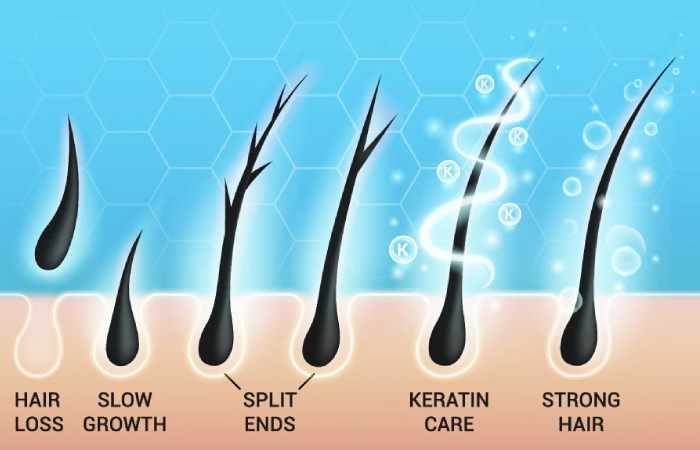
Recognizing the early signs of weak hair roots can help prevent further hair loss.
Common symptoms include
- Excessive hair fall while combing or washing
- Hair strands falling out easily when pulled gently
- Hair thinning near the scalp
- Weak, brittle hair
- Slow hair growth
- Increased hair breakage
- Visible scalp through thinning hair
If these symptoms persist for several weeks, it may indicate weakened follicles.
Comparison Table: Healthy Hair Roots vs Weak Hair Roots
| Feature | Healthy Hair Roots | Weak Hair Roots |
| Hair strength | Strong and resilient | Breaks easily |
| Hair fall | Normal shedding (50–100 hairs/day) | Excessive hair loss |
| Growth rate | Consistent and healthy | Slow growth |
| Hair thickness | Thick strands | Thin and fragile strands |
| Scalp condition | Balanced and clean | Oily, dry, or irritated |
Nutrition for Strengthening Hair Roots
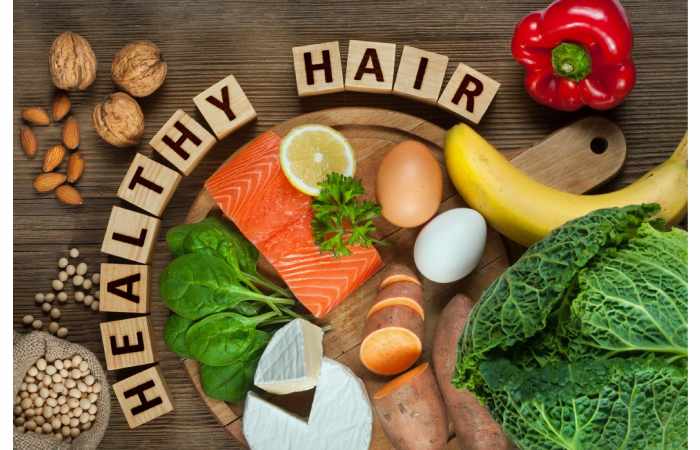
Nutrition plays a crucial role in maintaining healthy hair follicles. A balanced diet provides the essential nutrients required for strong hair roots.
Key Nutrients for Hair Health
| Nutrient | Benefits for Hair Roots | Food Sources |
| Protein | Builds keratin, the main hair structure | Eggs, fish, chicken, beans |
| Iron | Improves oxygen supply to follicles | Spinach, lentils, red meat |
| Vitamin D | Supports follicle growth | Sunlight, dairy, mushrooms |
| Zinc | Repairs damaged hair tissue | Nuts, seeds, whole grains |
| Omega-3 | Nourishes scalp and reduces inflammation | Fish, walnuts, flax seeds |
| Biotin | Supports keratin production | Eggs, bananas, almonds |
Simple Hair-Healthy Meal Ideas
- Breakfast: Avocado whole-grain toast and eggs.
- Lunch: Spinach and nuts chicken salad that is grilled.
- Snack: Berry and seeds yogurt.
- Dinner: Salmon, arab rice and vegetables.
Consistent healthy eating helps strengthen hair roots from within.
Scalp Care Routine for Strong Hair Roots
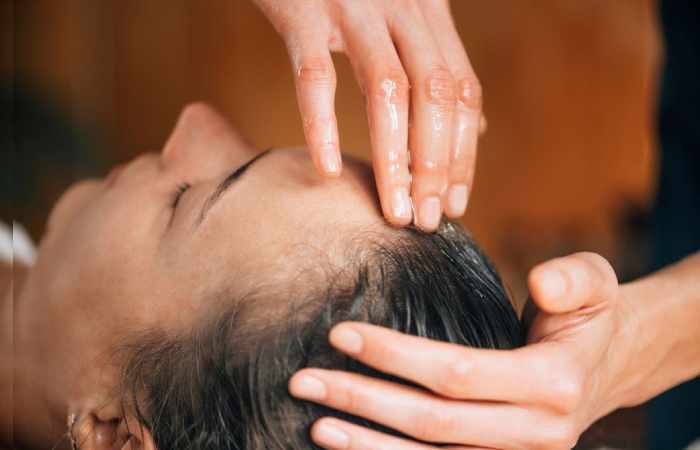
A healthy scalp environment is essential for strong hair follicles. Proper scalp care improves blood circulation and reduces buildup.
Daily Scalp Care Routine
- Massage your scalp gently for 2–3 minutes.
- Use a wide-tooth comb to detangle hair.
- Avoid tight hairstyles that pull on the roots.
Weekly Scalp Care Routine
| Routine | Benefit |
| Oil massage | Improves blood circulation |
| Mild shampoo cleansing | Removes dirt and oil buildup |
| Hair mask treatment | Nourishes hair and scalp |
| Gentle exfoliation | Removes dead skin cells |
Natural Remedies to Strengthen Hair Roots
Natural ingredients can support scalp health and improve hair root strength when used regularly.
Coconut Oil Massage
Coconut oil penetrates the hair shaft and reduces protein loss.
How to use:
- Preheat a little coconut oil.
- Rub it into the head of the head.
- Leave it for 30–60 minutes.
- Wash with a mild shampoo.
Aloe Vera Treatment
Aloe vera soothes the scalp and reduces dandruff.
Steps:
- Apply fresh aloe vera gel to the scalp.
- Leave it for 20 minutes.
- Rinse with lukewarm water.
Onion Juice Remedy
Onion juice contains sulfur that supports collagen production and strengthens follicles.
Steps:
- Extract onion juice.
- Apply to the scalp
- Leave for 15–20 minutes.
- Wash with a gentle shampoo.
Lifestyle Habits That Support Strong Hair Roots
Healthy habits contribute significantly to hair health.
Helpful lifestyle changes
- Learn to alleviate stress by doing yoga or meditation.
- Drink enough water daily
- Limit heat styling tools
- Smoking and alcoholism should be avoided.
- Sleep 7–8 hours every night
These habits improve overall scalp health and hair strength.
When to See a Doctor
In other cases poor hair roots could be a symptom of health problems. Visit a dermatologist in case of:
- Severe hair shedding
- Patchy hair loss
- Sudden thinning
- Scalp infections or pain
Loss of hair that persists over three months.
The permanent hair damage can be prevented with the help of the early treatment.
Final Thoughts
Even mature hair roots are disruptive, but it is always possible to treat it through alteration of care regime and lifestyle. Through health food, healthy scalp, de stressing, and sweet hair procedure, you will gradually restore hair roots and make the hair grow healthier.
Consistency is key. You do not wake up with hair fall, so a good routine and proper scalp care would ultimately give you a stronger and fuller hair.
.