

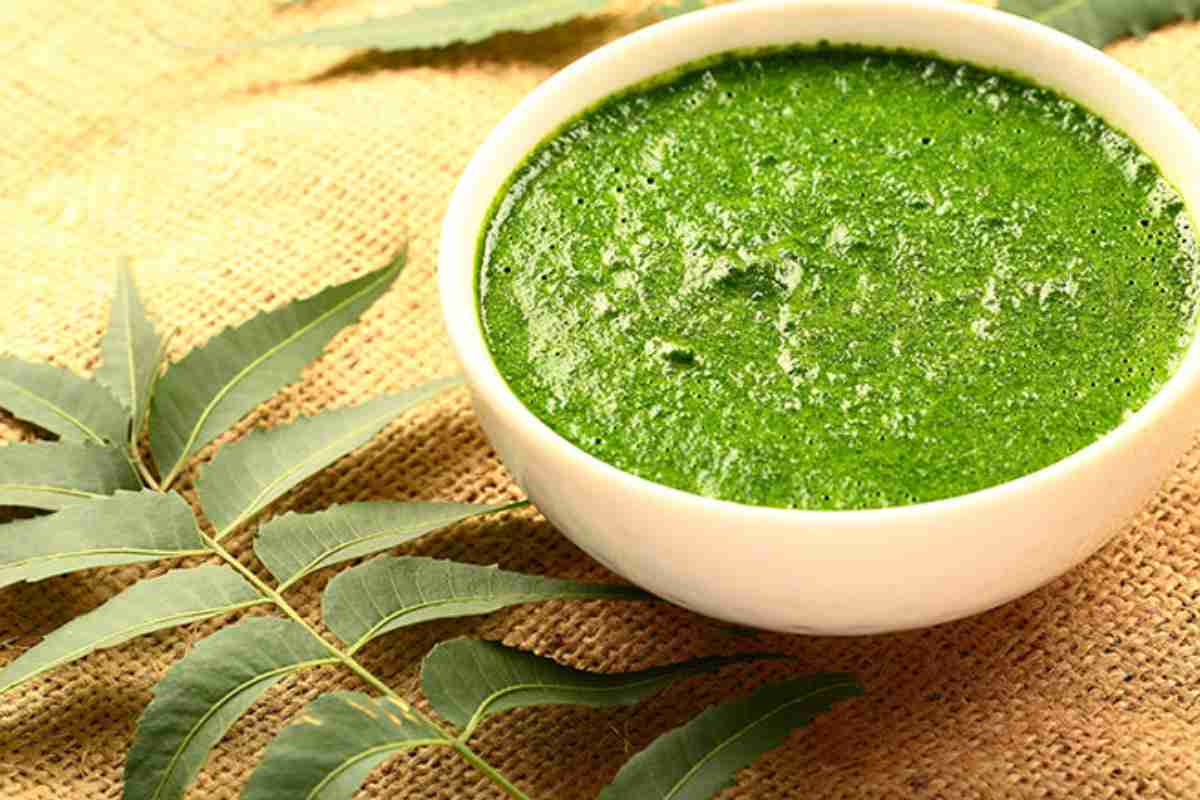
Neem paste is an excellent example of one of these natural assistants that time has proved to work well and, so, so well — up to this point, your grandmother may well have been correct. This is a basic green paste prepared out of leaves of a neem tree, Azadirachta indica that imparts antibacterial, anti-inflammatory and antioxidant properties into a small, down to earth jar of goodness. The instructions on how to apply and use neem paste on the skin given below have been humanized, practical, science-sensitive, to prevent misunderstandings, explain the effects of using neem cream on the skin, how to prepare the paste, how to apply it to various body parts and skin types, precautionary measures and simple recipes.
Table of Contents
What is neem paste?
Neem paste is a creamy paste prepared by smooth paste obtained in crushing fresh neem leaves (or powder of dried neem leaves) together with a small amount of water, rose water, or any other agent (such as aloe vera gel). It is applied on the skin because it is soothing, antibacterial and cleansing. It could be described as a powerful, crude neem active chemistry/universal painkiller- when the issues are locally targeted, in masks, or during washings. Antimicrobial Properties of Neem
Why people use neem paste on skin — quick benefits
- Antibacterial and antimicrobial: assists in the minimization of bacteria causing acne on the surface.
- Anti-inflammatory: relaxed redness and irritation (good to use on reddened pimples and insect bites).
- Antioxidant: aids in the neutralization of free radicals which are healthy to the skin.
- Regulating: it is capable of blending excess oil and not overpowering when blended.
- Light wound-supporting qualities of minor wounds, insect bites (extremely careful and hygienic).
Why Neem Paste Is Effective for Acne
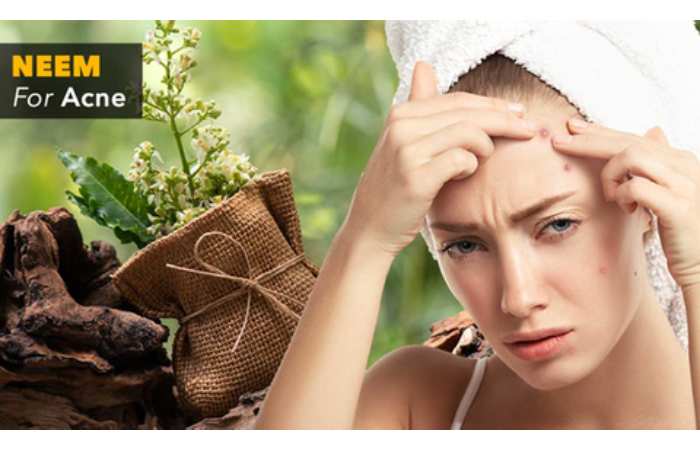
Acne develops when pores become clogged with oil, dead skin cells, and bacteria. Neem works on multiple levels to address these causes.
Main Acne-Fighting Properties of Neem
| Property | How It Helps Acne |
| Antibacterial | Kills acne-causing bacteria on the skin |
| Anti-inflammatory | Reduces redness and swelling of pimples |
| Oil control | Helps regulate excess sebum production |
| Antioxidant | Protects skin from damage and inflammation |
| Healing support | Helps skin recover from acne scars and irritation |
Because neem targets both bacteria and inflammation, it can be helpful for mild to moderate acne.
Top Skin Benefits of Neem Paste
1. Helps Reduce Acne and Pimples
Neem’s antibacterial properties help eliminate Propionibacterium acnes, the bacteria responsible for acne. Applying neem paste can reduce the number of breakouts and prevent new ones from forming.
2. Controls Excess Oil
People with oily skin often experience frequent breakouts. Neem paste helps regulate sebum production, keeping pores cleaner and reducing oil buildup.
3. Reduces Skin Inflammation
Inflamed pimples can be painful and red. Neem contains anti-inflammatory compounds that calm irritated skin and reduce swelling.
4. Prevents Skin Infections
Neem is known for its antifungal and antimicrobial activity, which may help protect the skin from fungal acne and minor infections.
5. Supports Skin Healing
Neem also promotes faster healing of damaged skin and may help reduce acne marks over time.
Comparison table — Neem paste vs other common natural pastes
| Feature / Benefit | Neem Paste | Turmeric Paste | Aloe Vera Gel | Honey Paste |
| Antibacterial strength | High | Moderate | Low–moderate | Moderate |
| Anti-inflammatory | High | High | High | Moderate |
| Suited for acne-prone skin | Very good | (spot use) | Good (soothing) | (antibacterial if raw) |
| Brightening effect | Mild | Strong (curcumin) | Mild | Mild |
| Risk of staining | Low | High (yellow stain) | None | None |
| Gentle enough for sensitive skin? | Depends (patch test advised) | Can irritate at high conc. | Usually yes | Usually yes |
| Best combined with | Aloe, rose water, honey | Yogurt, honey | Neem (for acne) | Neem for spot care |
| Typical frequency of use | 2–3x/week (mask) or spot as needed | 1–2x/week | Daily possible | 2–3x/week |
How to make neem paste
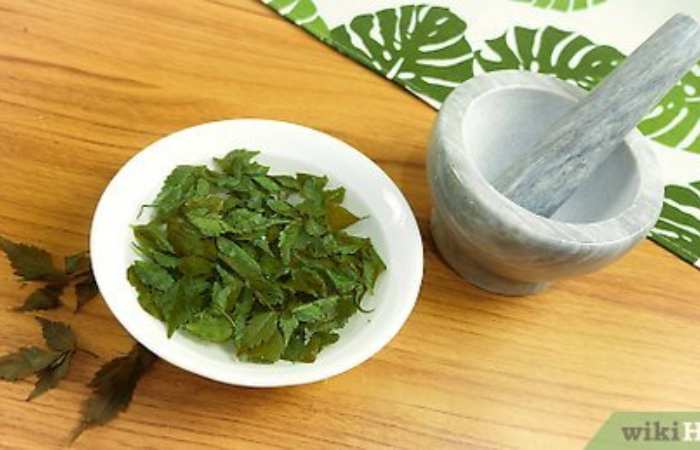
Fresh-leaf neem paste (bright, herb-y)
Ingredients:
- 1 cup fresh neem leaves (loosely packed)
- 2–3 tablespoons rose water / plain water / aloe vera gel
Method:
- Wash leaves well; pat dry.
- Place leaves and liquid into a blender or mortar and pestle.
- Grind to a smooth paste. Add a little more liquid if needed.
- Use immediately or store in fridge (see storage tips).
Dried neem powder paste
Ingredients:
- 1–2 tablespoons neem leaf powder
- 2–3 tablespoons water / aloe vera / yogurt
Method:
- Mix powder and liquid to a smooth paste.
- Let sit 5–10 minutes for powder to hydrate.
Gentle neem + aloe paste (for sensitive / combination skin)
- 1 tablespoon neem powder or 1.5 tbsp fresh blended neem
- 1 tablespoon pure aloe vera gel
- 1 teaspoon rose water
Mix and use as a soothing mask/spot treatment.
How to use neem paste
1) For acne/spot treatment
- Cleanse skin.
- Apply a thin layer of neem paste over the pimple.
- Leave for 30 minutes, then rinse.
- Or use as an overnight spot treatment for persistent spots (patch test first).
Frequency: start with once every other day; increase if tolerated.
2) For oily / acne-prone face mask
- 1 tbsp neem paste + 1 tsp fuller’s earth (multani mitti) + 1 tsp rose water.
- Apply for 10–15 minutes, rinse with lukewarm water.
- Follow with light moisturizer.
Frequency: 1–2 times per week.
3) For inflamed insect bites / minor irritation
- Apply a pea-sized amount directly to the area.
- Cover with a small bandage if needed.
- Reapply 1–2x per day until calm.
4) For fungal-looking rashes (adjunctive)
Neem has antifungal properties but rashes can be many causes — consult a dermatologist if spreading. A short course of topical neem paste may help mild cases, but don’t rely on it alone for unclear or spreading infections.
5) For combination skin (prevent over-drying)
- Mix neem paste with aloe vera gel 1:1 to balance antibacterial action with hydration.
Which neem mix for which skin type
| Skin type | Best neem formulation | Frequency |
| Oily / acne-prone | Neem + fuller’s earth + rose water | 1–2x/week |
| Sensitive | Neem + aloe vera (1:1) | 1x/week, spot as needed |
| Dry | Neem + honey + yogurt | 1x/week |
| Combination | Neem diluted with aloe or rose water | 1–2x/week on oily zones |
| Scalp issues | Neem + oil massage | 1x/week |
Who should avoid or be cautious?
- Pregnant or breastfeeding people: topical neem is widely used traditionally, but if you are pregnant or nursing, check with your healthcare provider before regular use (especially any ingestible neem products).
- Infants & very young children: avoid applying neem paste to infants without medical advice.
- Severe skin conditions (e.g., open wounds, severe eczema): seek dermatologist advice first.
- Allergic history to neem or related plants: do a patch test.
- Those on topical acne prescription (retinoids, benzoyl peroxide): combine cautiously — neem can be drying; don’t layer without checking for irritation.
Patch test — do this first (very important)
- Clean a small skin area behind your ear or inner forearm.
- Apply a pea-sized amount of your neem paste (prepared as you will use it).
- Wait 24 hours. If there’s redness, itching, blistering, or increased irritation — don’t use.
- If mild tingling only and no visible reaction, proceed with caution.
Side effects & what to watch for
- Temporary mild tingling or cooling is common.
- Redness, itching, burning, swelling = stop immediately.
- Overuse (daily heavy masks) can cause dryness or irritation. Reduce frequency or dilute with aloe/honey.
- If you experience systemic symptoms (rare) like nausea or fever after topical use, stop and also consult a provider.
FAQ
Q: Will neem paste remove dark spots?
A: Neem can support clearer skin and reduce inflammation, which may help prevent post-inflammatory darkening. For established dark spots, you may need targeted brightening actives (vitamin C, niacinamide, chemical exfoliants) under a dermatologist’s guidance.
Q: Can I leave neem paste overnight?
A: For small spot treatments, yes — but for facial full masks, overnight use can be too drying for many. Start with 30 minutes–1 hour.
Q: Does neem stain clothing?
A: Fresh neem paste is green and can leave a temporary tint on very light fabrics; rinse immediately if it contacts clothes.
Q: Can neem paste be combined with other natural actives like tea tree or turmeric?
A: Yes, carefully. Neem + tea tree is a powerful antibacterial combo; turmeric adds brightening but can stain. Don’t mix too many strong actives at once to reduce the risk of irritation.
Final Words
Nature provides us with some fabulous products such as neem, but our skin is personal; what might soothe a person can offend another. Get curious, begin on a small scale, tune in to your skin, and do small experiments: do a recipe in two weeks and record what has changed (texture, oily, reddish-red, spots).